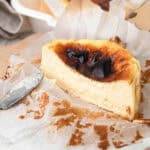
Crack into the caramelized top of crème brûlée, revealing silky vanilla custard bliss beneath.
If I could describe creme brulee in one feeling, it’s that quiet moment after dinner when everything slows down, spoon in hand, ready to crack through that caramelised sugar topping. It’s simple, comforting, and just a little fancy. The contrast between the crisp toffee layer and the silky smooth custard underneath never gets old.
I remember testing this recipe in my kitchen after a long shoot day for Zumbo’s Just Desserts. The first batch curdled because I overheated the cream, a rookie mistake, even for a pastry chef. But once I nailed the temperature, the result was perfection: a rich creamy texture that melts into the vanilla custard base with every bite.
It’s one of those French desserts that looks restaurant-style but comes together with a few household ingredients. Perfect for a quiet night in or a make-ahead dessert for friends.
What is creme brulee
Creme brulee is a classic French sweet made from a base of baked custard topped with a thin pane of burnt sugar crust. It’s known for that satisfying “crack” when you break through the caramelised sugar topping to reach the rich, creamy custard beneath.
At its heart, this vanilla custard dessert balances cream, sugar, and egg yolks to create a silky smooth custard that’s baked gently in a water bath. It’s both elegant and comforting, the kind of dessert that feels luxurious yet familiar, making it a timeless favourite in every French kitchen.
Where is creme brulee from
Creme brulee originates from France, where it’s celebrated as a chef technique dessert that showcases precision and restraint. Its name literally means “burnt cream,” referring to the caramelised sugar layer that tops the custard baked in bain-marie. Over time, it’s become a restaurant-style dessert served across the world, recognised for its rich indulgent custard and signature crack.
How to make it
Making creme brulee begins by gently heating heavy cream to infuse cream with vanilla, then tempering it into beaten egg yolks and sugar. The mixture is poured into ramekin desserts, placed in a deep roasting pan, and baked low and slow in a boil water bath until the custard set but wobble slightly.
Once chilled, a sugar sprinkle surface is torched to form that shatteringly crispy topping. The result is a silky mouthfeel dessert, soft, rich, and perfectly balanced between sweetness and texture.
At-a-Glance, What You’ll Need Before We Start Rolling
| Yield | Prep Time | Cook Time | Difficulty | Storage |
|---|---|---|---|---|
| 4 to 6 ramekins | 15 minutes | 30 to 35 minutes (plus 4 hours chilling) | Easy | Store chilled for up to 3 days, uncovered to preserve the burnt sugar crust |

Ingredients
Every ingredient in creme brulee has a specific role. Understanding what each does helps you get that smooth, rich creamy texture and crisp toffee layer just right.
- Heavy cream or thickened cream, Creates the heavy cream custard base that gives the dessert its rich creamy texture and silky mouthfeel.
- Whole milk, Lightens the cream slightly, balancing richness and ensuring the custard texture like Greek yoghurt instead of too thick.
- Large egg yolks, Provide structure, colour, and that luxurious egg yolks dessert richness; they also help the custard set but wobble.
- Vanilla extract or 1 vanilla bean, split and scraped, Adds that signature vanilla bean flavour; visible vanilla seeds give a beautiful speckled look.
- Granulated sugar, for the custard, Sweetens and helps create that silky smooth custard by dissolving evenly into the mixture.
- Caster sugar or superfine sugar, for torching, Melts quickly and evenly when heated, forming the perfect burnt sugar crust and caramelised sugar topping.
Optional, My Favourite Extras That Add a Little Magic
- A touch of sea salt, Enhances the vanilla and balances the sweetness.
- A splash of espresso, Turns it into a subtle coffee crème brûlée, perfect after a dinner party dessert.
- Orange zest or Cointreau, Adds a citrus lift, pairing beautifully with the vanilla custard base.
- Lavender buds or earl grey tea, Infuse the cream for a delicate floral note; ideal for a summer dessert choice.
- Dark chocolate shards, Place a few at the base before baking for a surprise layer beneath the custard set but wobble.
Substitutions, Smart Ingredient Swaps That Still Taste Amazing
- Low-fat cream alternative, Use half cream, half milk for a lighter version (texture will be softer but still luscious).
- Vanilla extract vs bean paste, Both work; extract is more convenient, bean paste gives that chef technique dessert look.
- Caster sugar vs brown sugar, Brown sugar gives a deeper caramelised flavour, though less crisp after torching.
- Plant-based cream, Coconut cream can work; it changes the flavour but keeps that baked custard texture.
- Leftover egg whites usage, Save them for meringues, macarons, or pavlova, nothing goes to waste in my kitchen.
Steps
- Preheat the oven to 320°F (160°C).
- In a small saucepan, heat the cream, milk, and vanilla extract (or vanilla bean and seeds). Warm gently over medium heat until steaming, but do not boil. Remove from the heat.


- In a large heatproof bowl, whisk the egg yolks and sugar together until lightened in color and slightly thickened.


- Add a splash of the warm cream mixture into the yolks and whisk until smooth (this tempers the eggs). Slowly stream in the rest of the cream mixture while whisking constantly.
- Strain the custard through a fine-mesh sieve into a jug or bowl to remove any lumps.


- Divide the custard evenly between 6 medium ramekins. Place the ramekins in a large baking dish and fill the dish halfway with hot water to create a water bath.
- Bake for 30 to 35 minutes, or until the custards are just set but still slightly wobbly in the center.
- Remove from the oven, carefully lift the ramekins out of the water bath, and let cool to room temperature. Cover with cling wrap and refrigerate for 4 to 6 hours, or overnight.


- When ready to serve, sprinkle 1 tablespoon of caster sugar evenly over each custard. Use a kitchen blowtorch to caramelize the sugar until golden brown and crisp.
- Serve immediately and crack through the caramelized sugar top with a spoon.


Troubleshooting, Quick Fixes I’ve Learned from My Bakery Kitchen
| Problem | What Went Wrong | How to Fix It |
|---|---|---|
| Custard curdled or grainy | Cream was too hot when added to egg yolks | Temper slowly, whisk yolks while gradually pouring in warm cream |
| Custard didn’t set | Oven too cool or not baked long enough | Bake until the custard set but wobble slightly in the centre |
| Sugar crust melts overnight | Torched too early or stored covered | Torch just before serving; refrigerate uncovered |
| Crust too thick | Too much sugar used | Use just enough for a thin pane caramel crust |
| Watery texture after chilling | Overbaked or water bath too deep | Keep water bath baking below the ramekin rim; low and slow heat is key |

Comparison, How This Recipe Stacks Up Against Other Desserts
| Dessert | Texture & Technique | Signature Element |
|---|---|---|
| Creme Brulee | Baked custard with heavy cream custard base, torched sugar top | Shatteringly crispy topping from blow torch topping |
| Panna Cotta | Gelatin-set vanilla custard (no baking) | Soft, jiggly, and spoon-coating texture |
| Flan (Crème Caramel) | Custard baked in bain-marie, inverted with caramel sauce | Liquid caramel base instead of crust |
Craving that same burnt sugar magic in a handheld treat? Try my Crème Brûlée Donuts
Tips, My Personal Tricks for a Professional-Looking Result
Temper the egg yolks slowly
When you pour hot cream too quickly, the egg yolks scramble. Add the cream in a thin stream while whisking constantly. This gentle tempering keeps your custard base ratio smooth and creamy.
Strain the custard before baking
Even if it looks smooth, always pass your mix through a fine sieve. It removes tiny bubbles or cooked egg bits, leaving that silky smooth custard texture you find in a classic French sweet.
Bake low and slow
The best baked custard happens at a low oven temperature. Preheat oven to low heat and bake in a boil water bath. Too much heat ruins the custard doneness jiggle and causes cracks.
Chill overnight for depth
You can serve creme brulee after four hours, but overnight chilling develops flavour and improves the custard chilling before serving consistency. Plus, it makes it a perfect make-ahead dessert.
Use a blow torch for control
The broiler method works, but a blow torch topping gives even caramelisation and that signature cracking caramel top without overheating the heavy cream custard beneath.
Listen for the crack
The true test of a signature crack dessert? That crisp “snap” when your spoon hits the burnt sugar crust. It should sound delicate but sharp, the hallmark of a well-executed French dessert.

Variations, Fun Twists and Flavours Inspired by Dessert Experiments
Matcha Crème Brûlée
Infuse the cream with Japanese matcha powder before mixing. The earthy bitterness balances the sweet burnt cream, creating a silky mouthfeel dessert that feels both modern and calm.
Espresso Crème Brûlée
Add a shot of strong espresso to the heavy cream custard before tempering. It deepens the flavour and gives a bold twist to the classic vanilla dessert, perfect for coffee lovers.
Coconut & Lime Crème Brûlée
Swap part of the cream for coconut milk and stir in lime zest. The tropical aroma pairs beautifully with the crisp toffee layer, giving a refreshing summer dessert choice.
Chocolate Crème Brûlée
Whisk melted dark chocolate into the custard mixture before baking. The result is a rich indulgent dessert with a silky smooth custard texture and deep cocoa warmth.
Lavender Honey Crème Brûlée
Steep dried lavender in the warm cream, then sweeten with honey instead of sugar. This version turns the custard baked in bain-marie into something floral and soothing, a true French kitchen dessert.
Earl Grey Crème Brûlée
Infuse the cream with Earl Grey tea leaves for a subtle bergamot aroma. Once torched, the sugar caramel melt pairs beautifully with the tea’s citrus perfume, elegant and light.
Want a playful twist on tradition? Check out my Crème Brûlée Crepe

Serving Suggestions, How I Like to Present These for Maximum ‘Wow’
Classic Simplicity
Serve the ramekin dessert as is, chilled custard with a glossy caramelised sugar topping. Let guests enjoy that moment when the spoon breaks through the burnt sugar crust. Sometimes, less really is more.
Café Style Garnish
Top the vanilla custard with a few fresh berries and a small mint sprig. The colour contrast against the golden sugar sprinkle surface looks like something straight from a French café window.
Chocolate Shard Finish
Place thin dark chocolate shards beside the ramekin for a rich pairing. As the silky smooth custard melts, the chocolate softens slightly, a decadent balance of textures.
Seasonal Touch
In summer, pair with mango or passionfruit for a refreshing contrast. In winter, serve with a warm espresso or spiced biscuit to complement the rich creamy texture of the custard.
Mini Tasting Trio
Make smaller ramekin desserts in different flavours, classic vanilla, coffee, and matcha. This creates an elegant tasting flight that feels restaurant style dessert without much extra effort.
Serve Immediately After Torching
For that signature crack dessert, torch the burnt sugar crust right before serving. The crust melts if done early, and the best part of a creme brulee is that instant crunch over cool custard.
If you love the caramelised sugar and vanilla custard combo, you’ll adore my Crème Brûlée Pie
Common Mistakes to Avoid, Lessons I’ve Learned After Dozens of Batches
Overheating the Cream
If your cream boils, it can scramble the yolks when combined. Always infuse cream with vanilla on gentle heat, then let it cool slightly before mixing. This preserves that silky smooth custard texture.
Skipping the Water Bath
Baking without a bain-marie leads to uneven cooking and a rubbery texture. Always use a deep roasting pan and pour hot water halfway up the ramekins for perfect custard doneness jiggle.
Overbaking the Custard
An overbaked creme brulee turns grainy instead of smooth. The right texture is when the custard set but wobble gently in the centre, think custard texture like Greek yoghurt, not firm pudding.
Using Too Much Sugar on Top
A thick sugar layer burns unevenly and loses that delicate crisp toffee layer. You only need a thin sprinkle for that shatteringly crispy topping.
Torch Timing
Torching too early causes the crust melts if done early effect. The caramel absorbs moisture from the chilling overnight custard. Always serve immediately after torching.
Not Straining the Mixture
Skipping this step leaves lumps or bubbles that ruin that silky mouthfeel dessert. Strain through a fine sieve before pouring into the ideal ramekin size.
PrintLet’s Get Cooking
If you liked this recipe make sure to leave me a comment and rating down below. I’d love to know how it went! Also, don’t forget to tag me on Instagram @catherine.desserts.
Follow me on Facebook, Pinterest, YouTube, and TikTok for more of my baking creations and updates!
Creme Brulee: Silky French Dessert with Crackly Caramel Top

Crack into the caramelized top of crème brûlée, revealing silky vanilla custard bliss beneath.
- Prep Time: 15 minutes
- Cook Time: 30 minutes
- Total Time: 45 minutes
- Yield: 6 Servings 1x
- Category: Pudding
- Method: Easy
- Cuisine: French
Ingredients
- 360ml heavy cream or thickened cream (1 1/2 cups)
- 180ml whole milk (3/4 cup)
- 5 large egg yolks
- 1 tsp vanilla extract (or 1 vanilla bean, split and scraped)
- 50g granulated sugar (1/4 cup), for the custard
- 6 tbsp caster sugar or superfine sugar, for torching
Instructions
- Preheat the oven to 320°F (160°C).
- In a small saucepan, heat the cream, milk, and vanilla extract (or vanilla bean and seeds). Warm gently over medium heat until steaming, but do not boil. Remove from the heat.
- In a large heatproof bowl, whisk the egg yolks and sugar together until lightened in color and slightly thickened.
- Add a splash of the warm cream mixture into the yolks and whisk until smooth (this tempers the eggs). Slowly stream in the rest of the cream mixture while whisking constantly.
- Strain the custard through a fine-mesh sieve into a jug or bowl to remove any lumps.
- Divide the custard evenly between 6 medium ramekins. Place the ramekins in a large baking dish and fill the dish halfway with hot water to create a water bath.
- Bake for 30–35 minutes, or until the custards are just set but still slightly wobbly in the center.
- Remove from the oven, carefully lift the ramekins out of the water bath, and let cool to room temperature. Cover with cling wrap and refrigerate for 4–6 hours, or overnight.
- When ready to serve, sprinkle 1 tablespoon of caster sugar evenly over each custard. Use a kitchen blowtorch to caramelize the sugar until golden brown and crisp.
- Serve immediately and crack through the caramelized sugar top with a spoon.