The first time I had bingsu, I remember thinking: this isn’t ice cream, and it isn’t a snow cone either. It was colder than gelato, lighter than sorbet, and somehow… creamy without being heavy. Like eating a cloud that had wandered into a fruit market.
If you’ve ever asked yourself what is bingsu, you’re in very good company. It’s one of those desserts that looks simple from far away, just shaved ice and toppings, until you take a spoonful and realise the texture is the whole point. Especially in summer, when you want something refreshing but still indulgent.
And for an Australian summer? Bingsu is basically a love letter to hot days: bright fruit, chilled milk snow, crunchy bits, chewy mochi-like textures, and that quick melt that makes you eat faster (in a good way).
At a Glance: Bingsu Explained
| Feature | Quick Explanation |
|---|---|
| Origin | Korea (modern café-style bingsu evolved from earlier shaved ice traditions) |
| Key Ingredients | Shaved ice (often milk-based), condensed milk, fruit, sweet toppings |
| Texture & Mouthfeel | Feather-light “snow,” fast-melting, creamy-cold, layered crunch/chew |
| Typical Sweetness | Medium to high, but easily adjustable with toppings and drizzle |
| Method Highlights | Ultra-fine shaving, chilled bowl, build in layers, serve immediately |
| Best Occasion | Heatwave afternoons, BBQ desserts, beach-day treat, summer birthdays |
Tip: If you love that chewy, toasty Korean flavour that pairs beautifully with shaved ice, try making injeolmi at home and use it as a bingsu topping. It’s one of my favourite textures-on-textures moments: soft rice cake with nutty soybean powder against icy snow.
What Is Bingsu?
So, what is bingsu exactly?
Bingsu (빙수) is a Korean shaved ice dessert that’s built around extremely fine, delicate ice, often shaved from frozen milk rather than plain water. That tiny detail changes everything. Instead of crunchy ice chips, you get a soft, snowy pile that collapses into creamy slush the moment it hits your tongue.
Traditional versions often feature patbingsu (팥빙수), topped with sweet red beans, chewy rice cake pieces, and sometimes toasted powder or nuts. In modern Korean cafés, bingsu has evolved into a full dessert canvas: fresh strawberries, mango, matcha, chocolate, coffee, cookies, cereal crunch, even cheesecake cubes.
The magic is the contrast. You want:
- Snowy ice that melts fast
- Sauce or condensed milk that threads through the layers
- Juicy fruit or sweet bean for body
- Crunch (nuts, cereal, cookies) for bite
- Chew (rice cake, mochi pieces) for bounce
It’s playful and nostalgic at the same time. It feels like summer in a bowl, but with the precision of a pastry shop.
Why This Food Matters (Texture / Trend / Method)
If you’re wondering why bingsu has such devoted fans, here’s the secret: it’s a texture dessert first, and a flavour dessert second.
That’s why what is bingsu is a bigger question than “shaved ice.” The method creates a very specific eating experience:
- The ice is micro-shaved, not crushed.
- It melts into a creamy puddle that becomes the sauce.
- The toppings don’t sit on top, they sink, swirl, and layer as you eat.
It’s also trending because it fits modern dessert cravings so well:
- It photographs beautifully (towering, fluffy, glossy fruit).
- It’s easy to customise (dairy-free bases, less sugar, new flavours).
- It suits hot climates, which is why it feels so natural for Australia.
And let’s clear up a common confusion: bingsu isn’t the same as a snow cone or Hawaiian shave ice. Snow cones are crunchy and syrup-forward. Bingsu is softer, often milk-based, and built like a composed dessert with multiple textures.
How To Make It: Basics of Method & Technique
If you want to recreate bingsu at home, you don’t need a fancy café machine, but you do need to respect the melt. Bingsu is dramatic: it waits for no one.
Equipment you’ll love
- A high-powered blender or shaved ice machine
- A freezer-safe container (for your ice base)
- A chilled bowl (seriously, chill it)
- A spoon and a wide serving bowl (bingsu likes space)
The base: milk snow vs water ice
For the classic café-style texture, go milk-based.
Simple milk snow base
- Milk (or oat/soy milk)
- A little condensed milk or sugar (optional)
- Pinch of salt (makes it taste more like “milk,” less like “ice”)
Freeze in a shallow tray so it breaks up easily. Then shave or blitz gently until fluffy. Don’t over-blend or you’ll get a smoothie.
Water-based base
This works for fruit-forward bingsu, especially mango, watermelon, lychee, or citrus. It’s lighter, sharper, and more “icy.” Great when it’s 35°C and you want pure refreshment.
Building bingsu: the layering rule
Here’s the structure I use:
- A thin layer of snow
- A drizzle of condensed milk or sauce
- Fruit or filling (berries, mango, red bean, jelly)
- More snow
- Toppings (crunch + chew)
- Final drizzle and garnish
Serve immediately. Bingsu is meant to melt as you eat. That’s part of the pleasure.
Variations that suit Australian summer
When it’s hot and bright outside, I lean into flavours that taste clean and juicy:
- Mango bingsu: ripe mango, mango sauce, coconut or condensed milk
- Strawberry bingsu: fresh strawberries, strawberry sauce, cream or cheesecake bites
- Matcha bingsu: matcha snow, sweet cream, chewy pieces, toasted nuts
- Coffee bingsu: espresso drizzle, cocoa dust, cookie crunch
- Tropical bingsu: passionfruit, pineapple, coconut jelly, lime zest
If you like a lighter finish after a BBQ, fruit-based bingsu is unbeatable. If you want a “dessert-dessert,” go matcha, chocolate, or coffee with plenty of crunch.
Popular Bingsu Desserts
If you’re exploring what is bingsu through actual flavours (the best way), these are my go-to summer picks from the site.
Strawberry bingsu: the café classic
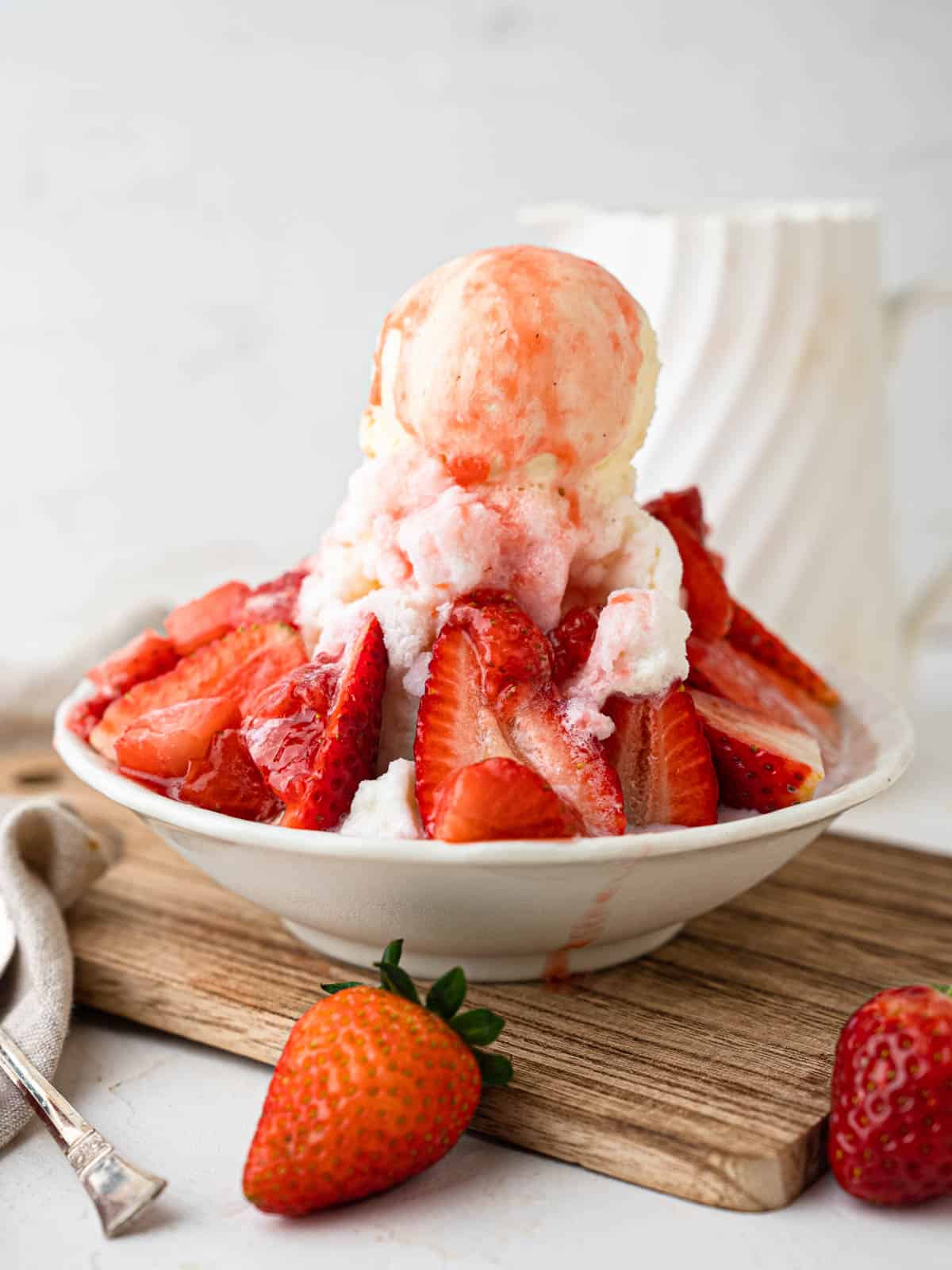
Strawberry bingsu is popular for a reason: it tastes like summer shortcake, but colder and fluffier. The strawberry sauce seeps into the snow and turns the bottom into a creamy pink slush, sweet, tart, and very hard to stop eating once you start.
I love adding a little crunch here. Think cookie crumbs, toasted almonds, or even a few shaved white chocolate curls. It keeps each spoonful interesting until the very last melt.
Mango bingsu: heatwave-friendly and bright

Mango bingsu is my “Australian January” bowl. It’s sunny, tropical, and naturally intense if your mangoes are properly ripe. Use a thick mango purée as your sauce, then add fresh cubes for juicy bursts.
If you want to make it feel extra special, pair mango with coconut notes. Coconut cream drizzle, toasted coconut, or a few spoonfuls of coconut ice cream on the side makes it feel like a beach holiday.
Coconut jelly: the clean, cool topping that makes sense

If you want your bingsu to feel lighter and more refreshing, coconut jelly is one of the best toppings. It’s soft, slippery, and gently sweet, perfect against the cold snow.
I especially love coconut jelly with mango bingsu, or a tropical fruit bowl with lime zest. It gives you that “cool-down” feeling without piling on extra richness.
Final Thoughts: A Spoonful of Snow for Hot Days
Now you know what is bingsu: not just shaved ice, but a whole summer texture experience, soft snow, sweet drizzle, fruit bursts, chewy bites, and that happy rush to finish before it disappears.
If you’re hosting friends on a warm evening, bingsu is the kind of dessert that feels effortless but looks like a celebration. Start with a classic like strawberry, go tropical with mango, and don’t be afraid to add chewy toppings for contrast.
If you want to keep exploring chilled summer desserts, try strawberry bingsu for the iconic bowl, or go bright and sunny with mango bingsu.
Frequently Asked Questions
What is bingsu made of?
Bingsu is made from finely shaved ice—often frozen milk—and topped with sweet sauces, fruit, red beans, rice cakes, and crunchy elements.
Is bingsu the same as shaved ice?
Not quite. The key difference is texture. Bingsu is typically ultra-fine and snow-like, often milk-based, and layered like a dessert.
Is bingsu very sweet?
It can be, especially with condensed milk and sweet toppings. But you control it easily by using fresh fruit, lighter drizzles, or unsweetened milk snow.
What flavours are best for Australian summer?
Mango, strawberry, tropical fruit, and citrus-forward combinations shine in hot weather. Matcha is also great if you want something refreshing but more “dessert-like.”
Can I make bingsu without a shaved ice machine?
Yes. Freeze a thin tray of milk base, then break it up and pulse in a strong blender until fluffy. Work quickly and don’t over-blend.
What toppings are traditional?
Classic patbingsu uses sweet red beans, rice cake pieces, and sometimes roasted powders or nuts. Modern café bingsu includes fruit, cream, cookies, and more.
How do you keep bingsu from melting too fast?
Chill your bowl, prep toppings first, and serve immediately. Bingsu is meant to melt a little—but you can slow it down with cold tools and fast assembly.
Want more frozen treats? Browse every ice cream recipe in one place.