Savor Pandan Kaya Jam, a silky coconut-egg spread bursting with fragrant pandan sweetness!
Some weekends call for something soft, creamy, and a little special, without pulling out every tray in the kitchen. Pandan Kaya Jam is one of those quiet treats that feels fancy but still belongs on warm toast in your kitchen slippers. It’s rich and smooth, with sweet coconut flavour, a soft herby pandan aroma, and that glossy custard feel that makes each spoonful feel comforting.
I first tested this style of pandan coconut jam after a few batches split on me from rushing the heat. The fix was simple but not glamorous: lower heat, slower stirring, and a bit of patience. Once it came together, it had that silky coconut jam texture I always look for in a good bakery spread. It’s the kind of recipe that rewards calm hands and gives you a jar of something deeply lovely.
What is Pandan Kaya Jam
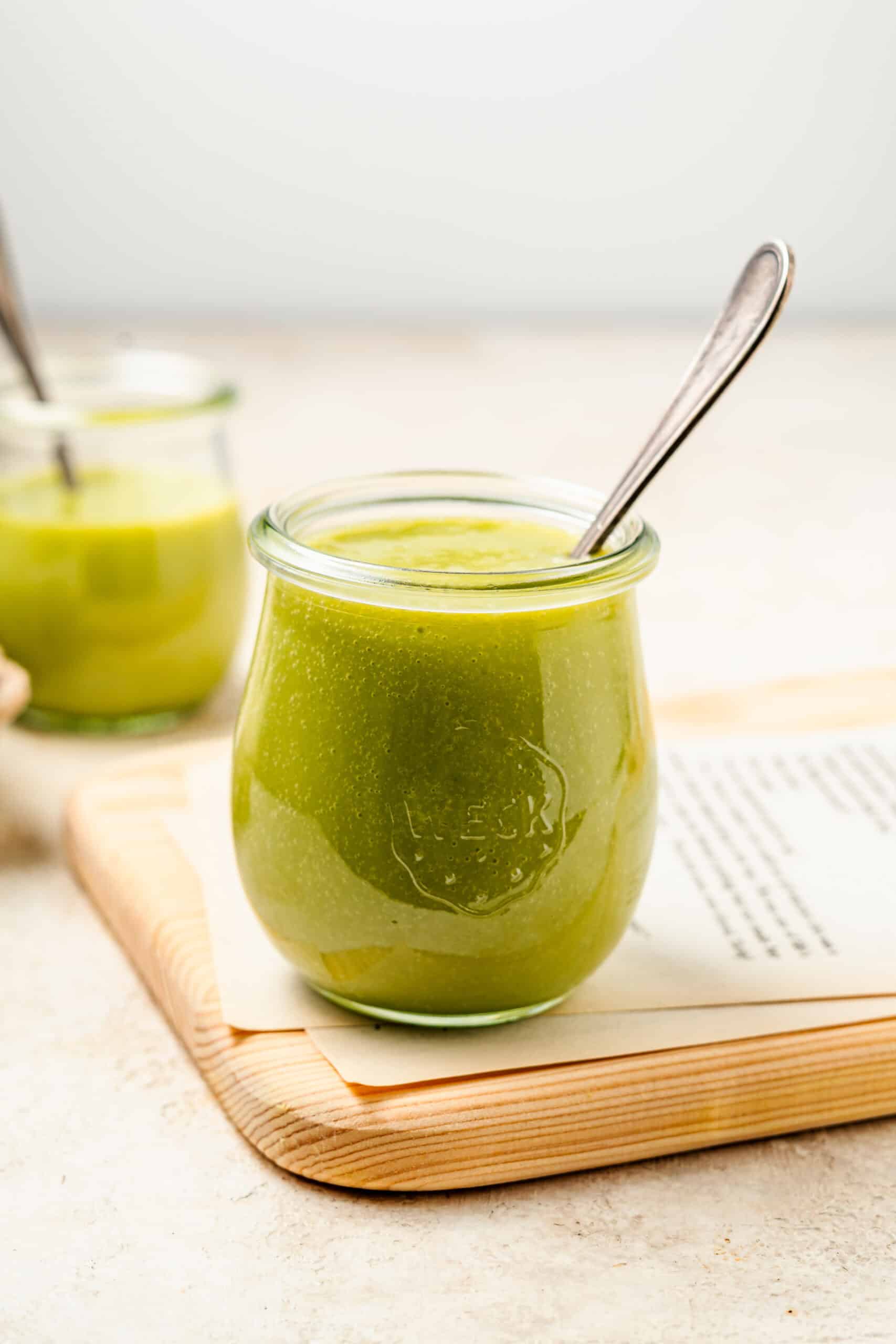
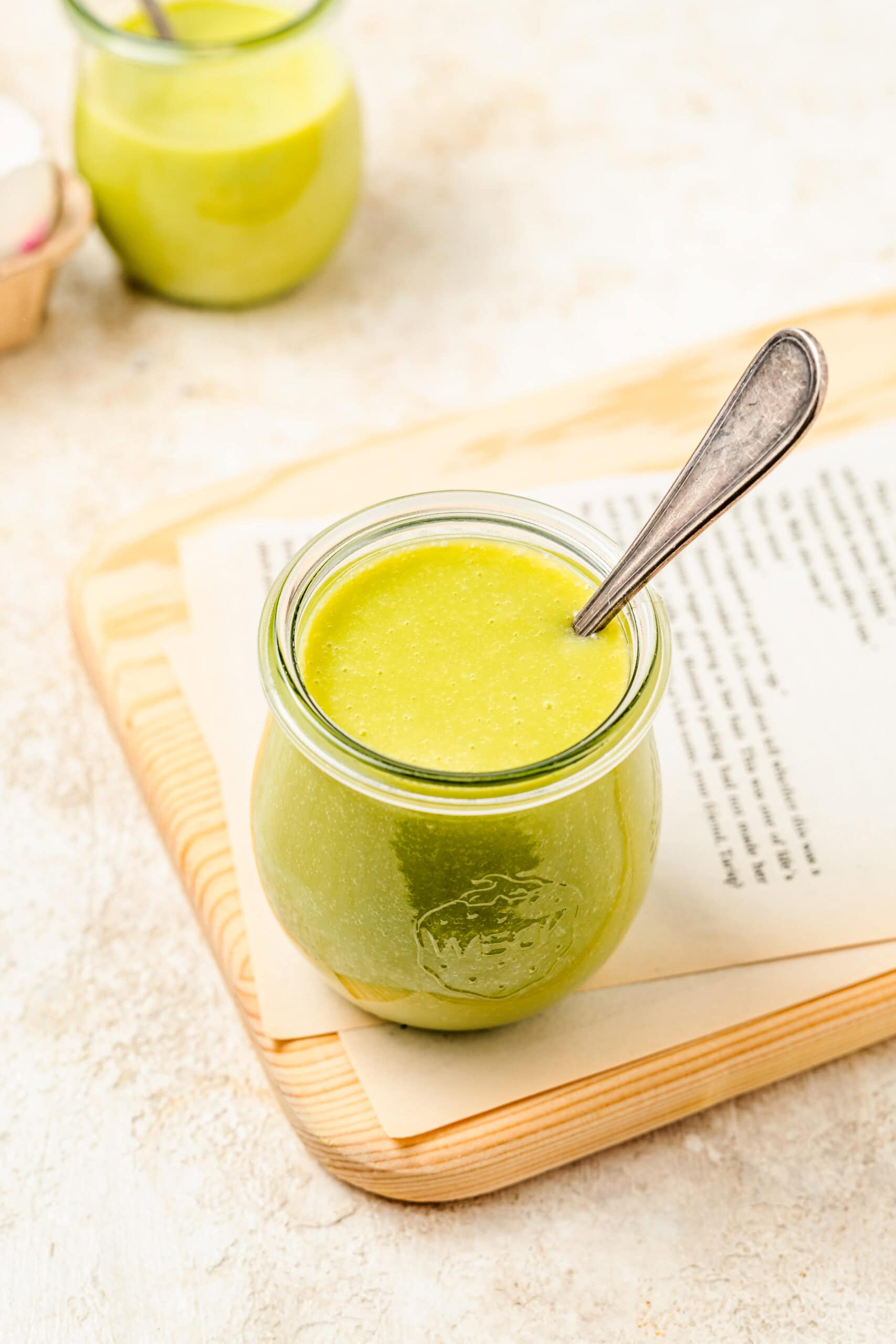
Pandan Kaya Jam is a sweet Southeast Asian coconut egg jam made with eggs, coconut milk, sugar, and pandan. It has a smooth kaya paste texture, a rich creamy kaya flavour, and a soft natural green colour when made with fresh pandan leaves. Think of it as a pandan custard spread for toast, buns, cakes, and pastries.
Where is Pandan Kaya Jam from
Pandan kaya is loved across Southeast Asia, especially in Malaysia, Singapore, Indonesia, Brunei, Thailand, and the Philippines. It is often linked with kopitiam breakfast culture in Malaysia and Singapore, where kaya toast is served with butter, soft-boiled eggs, coffee, or tea.
In Malaysia and Singapore, this green kaya jam is often called Nonya pandan kaya or Nyonya kaya. In Thailand, a similar pandan coconut custard is known as sangkhaya, often served with soft bread or sticky rice.
How to make it
To make this homemade pandan kaya, blend fresh pandan with water to get pandan juice, then whisk it with eggs, egg yolks, sugar, coconut milk, and salt. Cook the egg coconut mixture gently over a double boiler until thick and glossy, then strain or blend it for a lump free kaya finish.
At-a-Glance, What You’ll Need Before We Start Rolling
| Yield | Prep Time | Cook Time | Difficulty | Storage |
|---|---|---|---|---|
| About 1.5 cups | 10 minutes | 35 to 40 minutes | Medium | 10 to 14 days chilled |
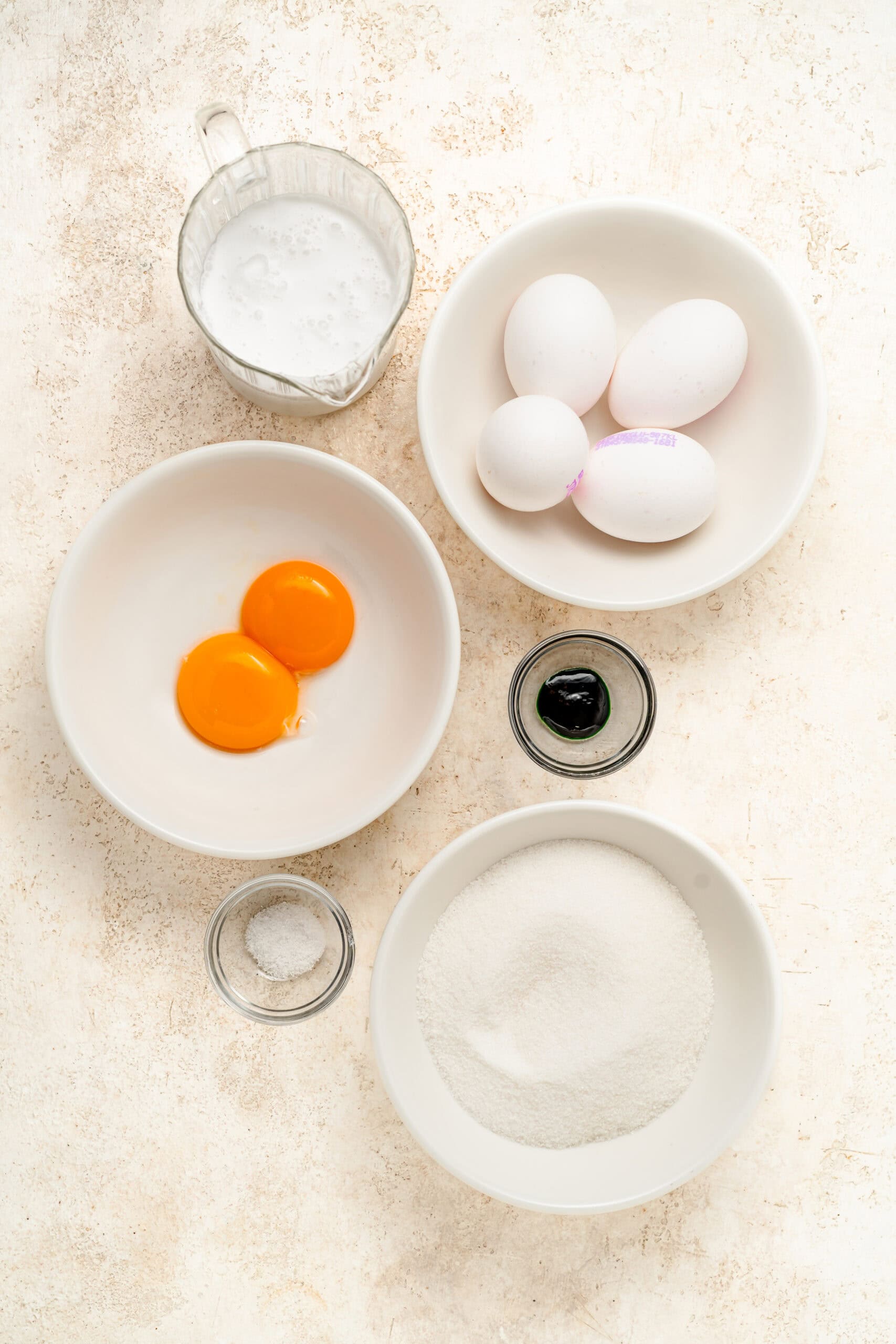
Ingredients
Pandan extract homemade, preferred
- Fresh pandan leaves: Give the jam its floral pandan flavor, herby pandan aroma, and natural green color.
- Water: Helps blend the pandan leaves into a strong pandan juice.
- Pandan paste: Boosts colour and flavour when fresh pandan is weak or hard to find.
- Coconut milk: Adds body, fat, and the sweet coconut flavor that makes this a creamy coconut spread.
Kaya base
- Eggs: Set the coconut custard jam and give it that rich, spoonable texture.
- Egg yolks: Add extra silkiness and help the kaya coconut spread feel lush.
- Caster sugar: Sweetens the jam and dissolves quickly for a smooth kaya paste.
- Full-fat coconut milk: Gives the pandan coconut jam its thick, creamy body.
- Fine sea salt: Balances the sugar and makes the tropical pandan flavor pop.
Optional, My Favourite Extras That Add a Little Magic
- Palm sugar: Adds caramel depth and a warmer Malaysian coconut jam flavour.
- Vanilla bean paste: Softens the pandan edge and makes the spread feel more dessert-like.
- A small knob of butter: Makes the kaya glossier and richer, especially for kaya butter toast.
- A splash of coconut cream: Gives a thicker, café-style finish for cake filling or pastry filling.
- A tiny pinch of kosher salt: Works like kosher salt kaya seasoning and sharpens the sweet coconut flavour.
Substitutions, Smart Ingredient Swaps That Still Taste Amazing
- Coconut cream for coconut milk: Use it for a thicker coconut milk jam, but keep the heat low.
- Cane sugar kaya style: Swap caster sugar with fine cane sugar for a softer caramel note.
- Frozen pandan leaves: A great choice when fresh pandan is not available.
- Pandan extract only: Use a small amount if you can’t find leaves, but the flavour will be less fresh.
- Duck eggs: They make a richer coconut egg jam, though the flavour is stronger.
- Light coconut milk: It works, but the kaya will be thinner and less silky.
STEPS
- Make the pandan juice (skip if using paste): blend chopped pandan leaves with the 60 ml water for 1 to 2 minutes until vivid green. Strain through a fine sieve into a small jug, pressing hard on the pulp. You should have ~50 ml of deep-green juice. Set aside.
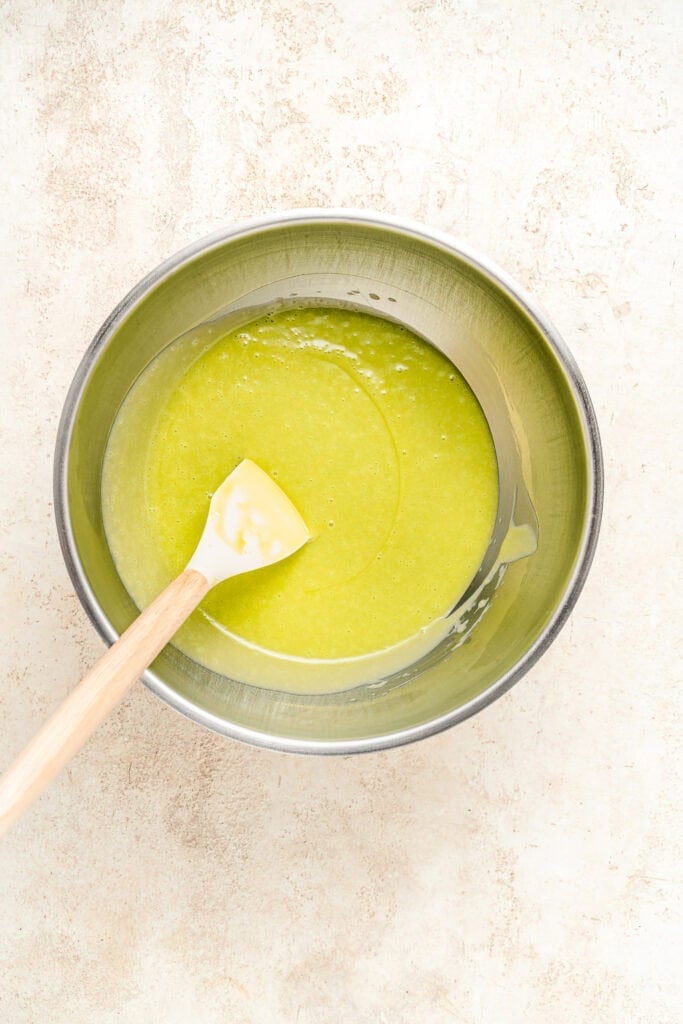
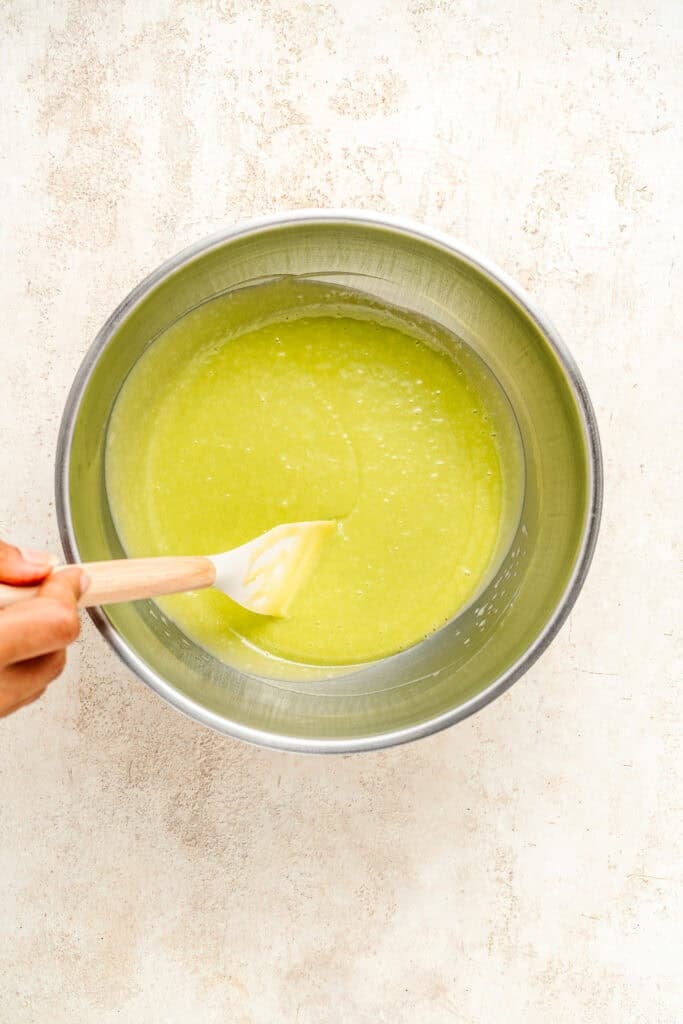
- In a large heatproof bowl, whisk eggs, yolks, and caster sugar until pale and smooth (about 1 minute). Do not aerate.
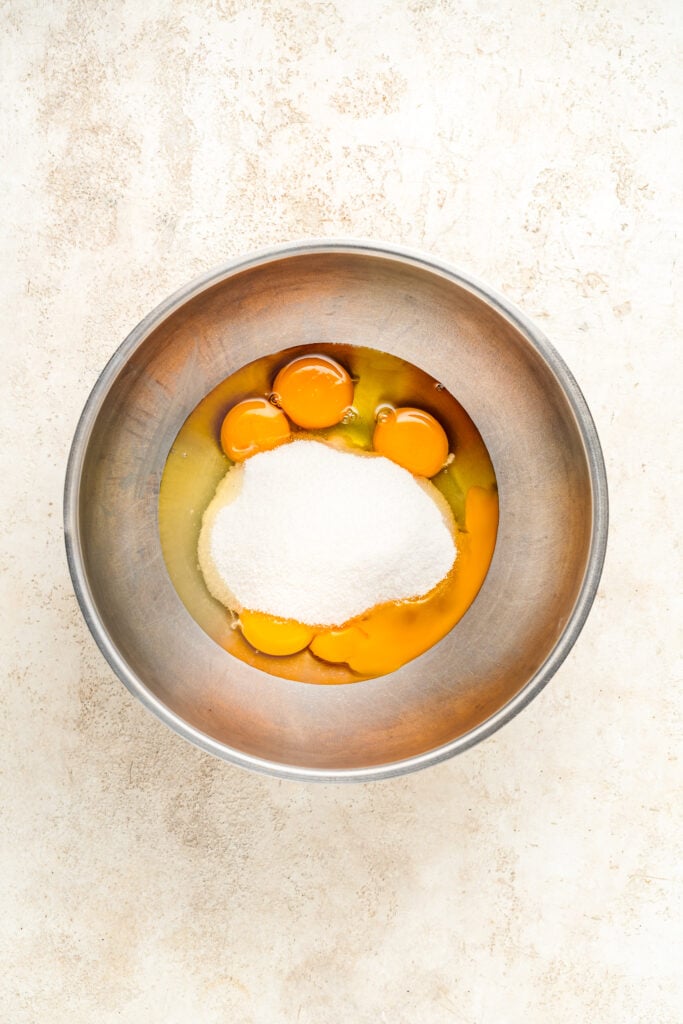
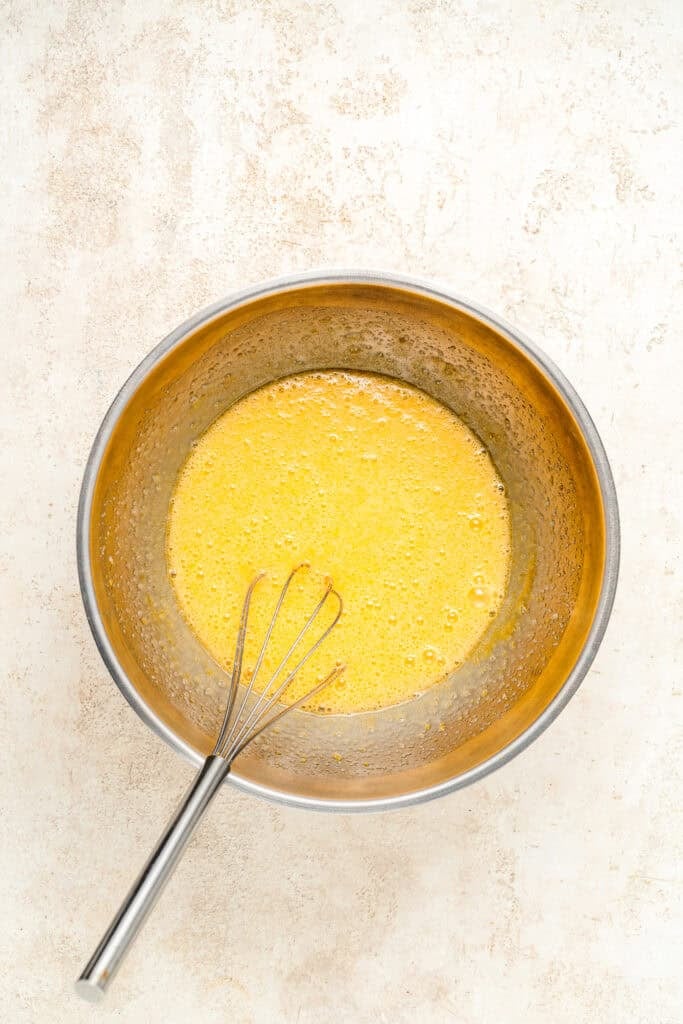
- Whisk in the coconut milk, pandan juice (or pandan paste), and salt until uniform.
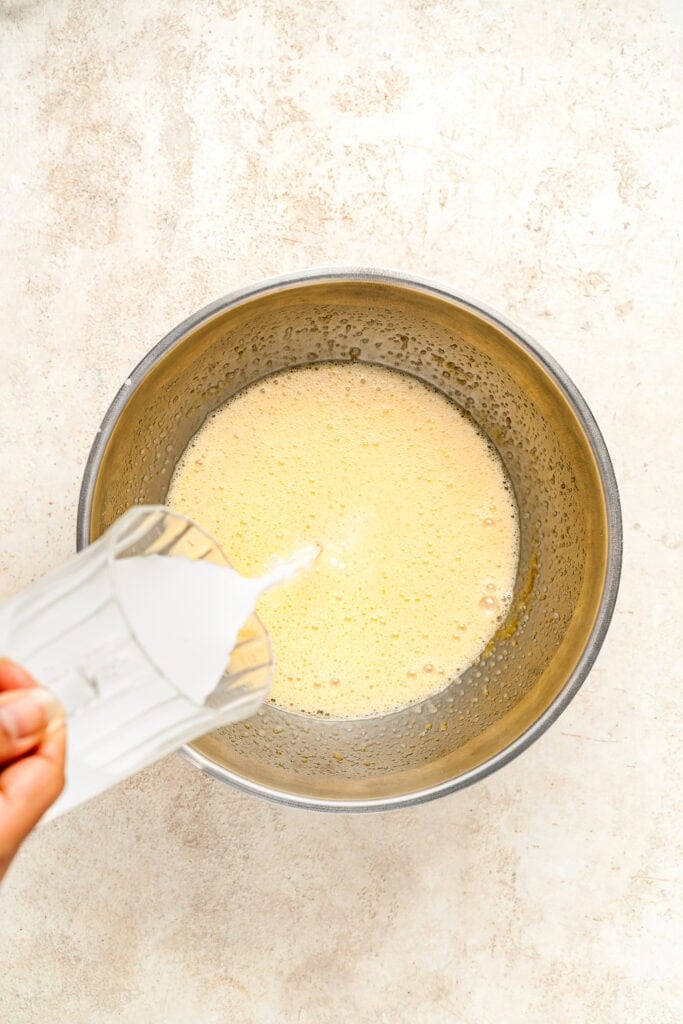
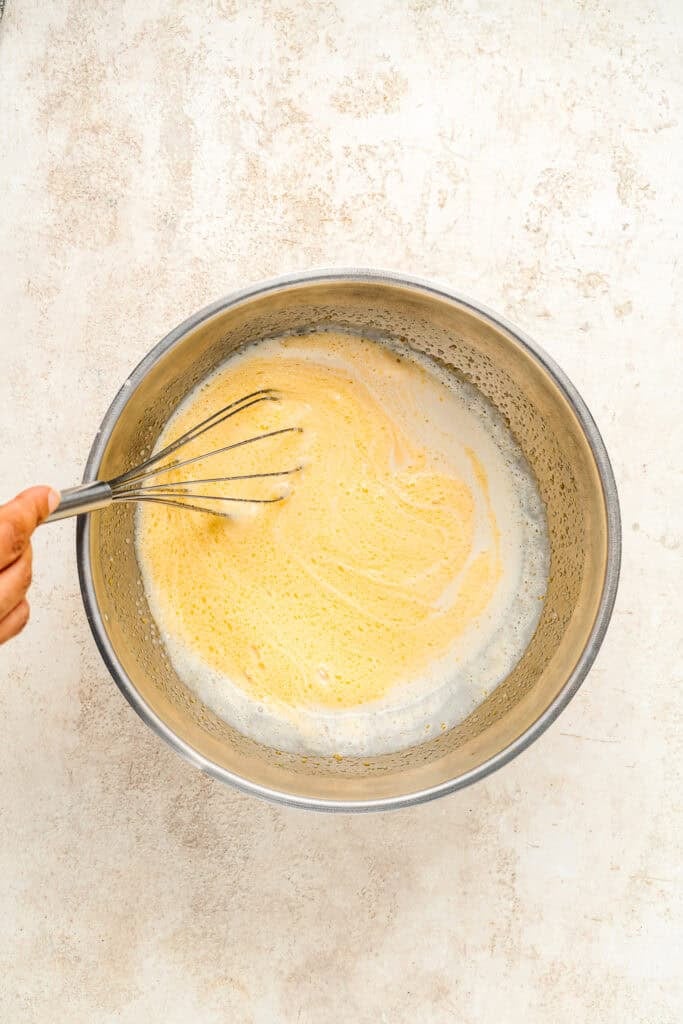
- Strain the mixture through a fine sieve into a clean heatproof bowl, this removes chalazae (egg cords) for a perfectly silky finish.
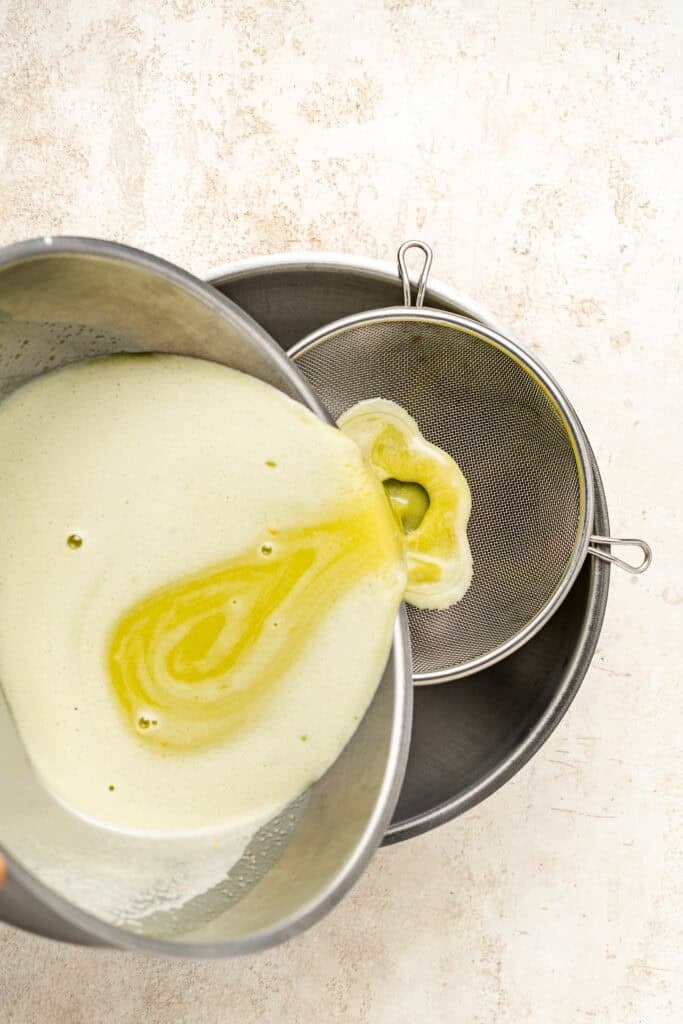
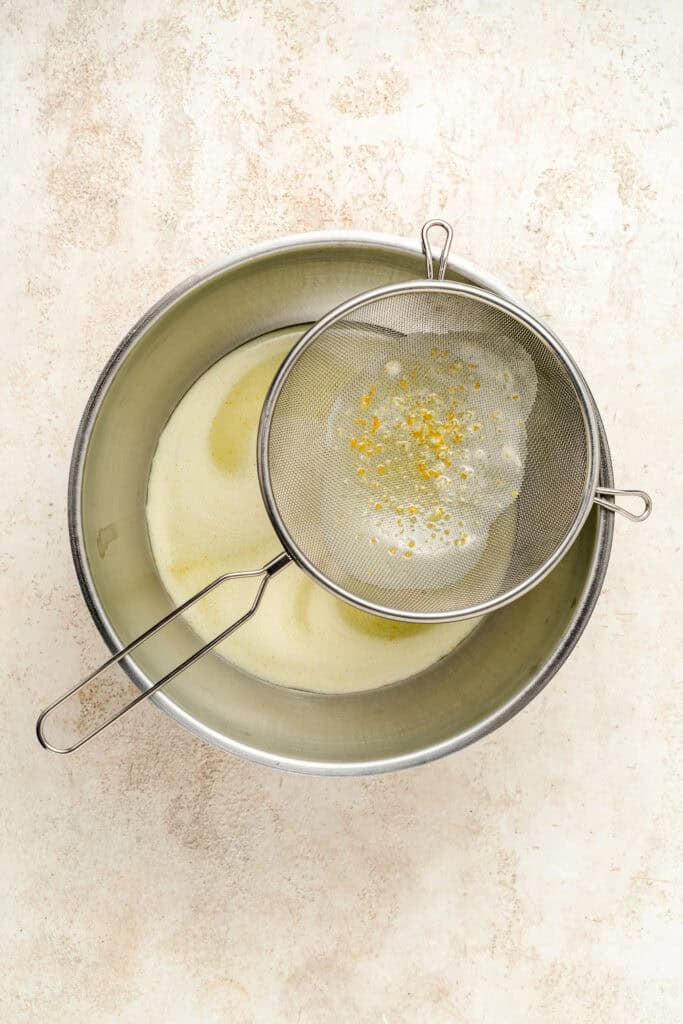
- Set the bowl over a saucepan of barely simmering water (the bowl should NOT touch the water). Heat the water on low, kaya cooks gently or it scrambles.
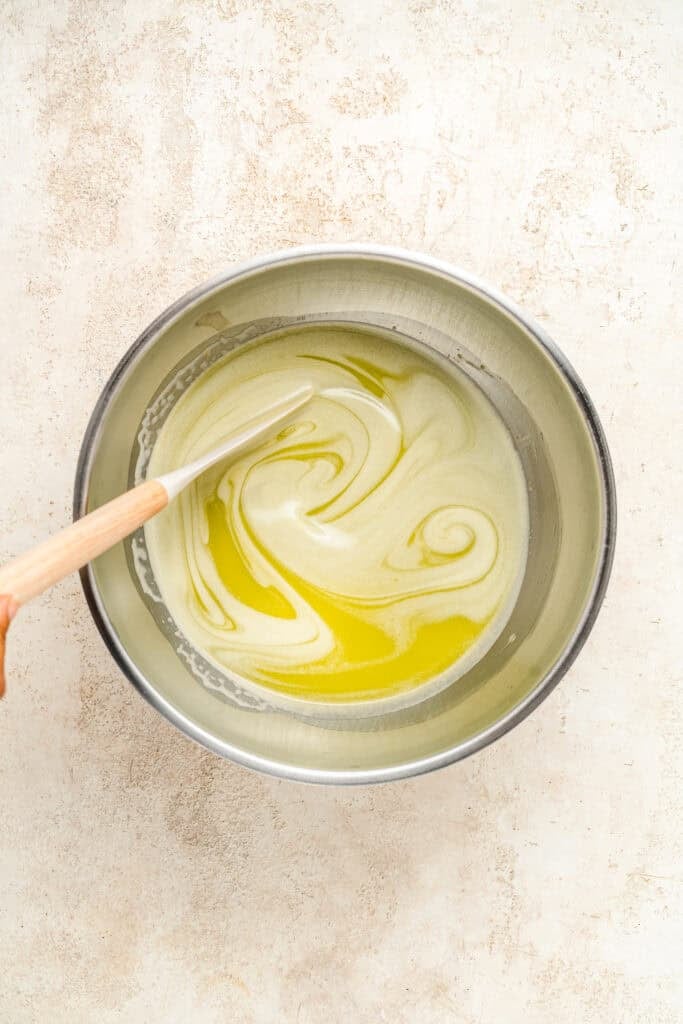
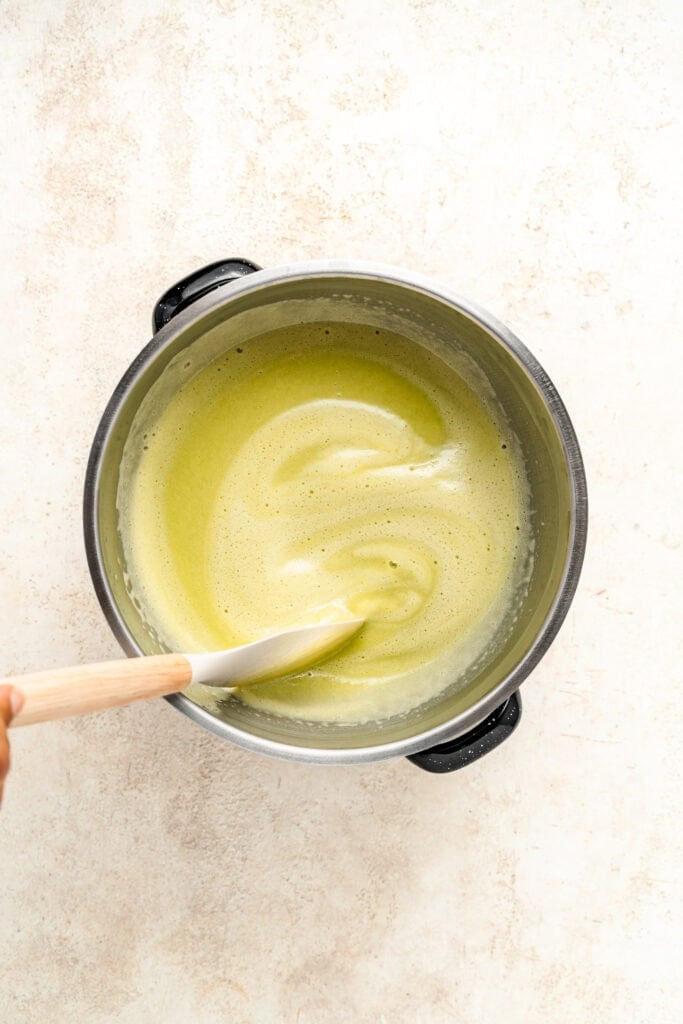
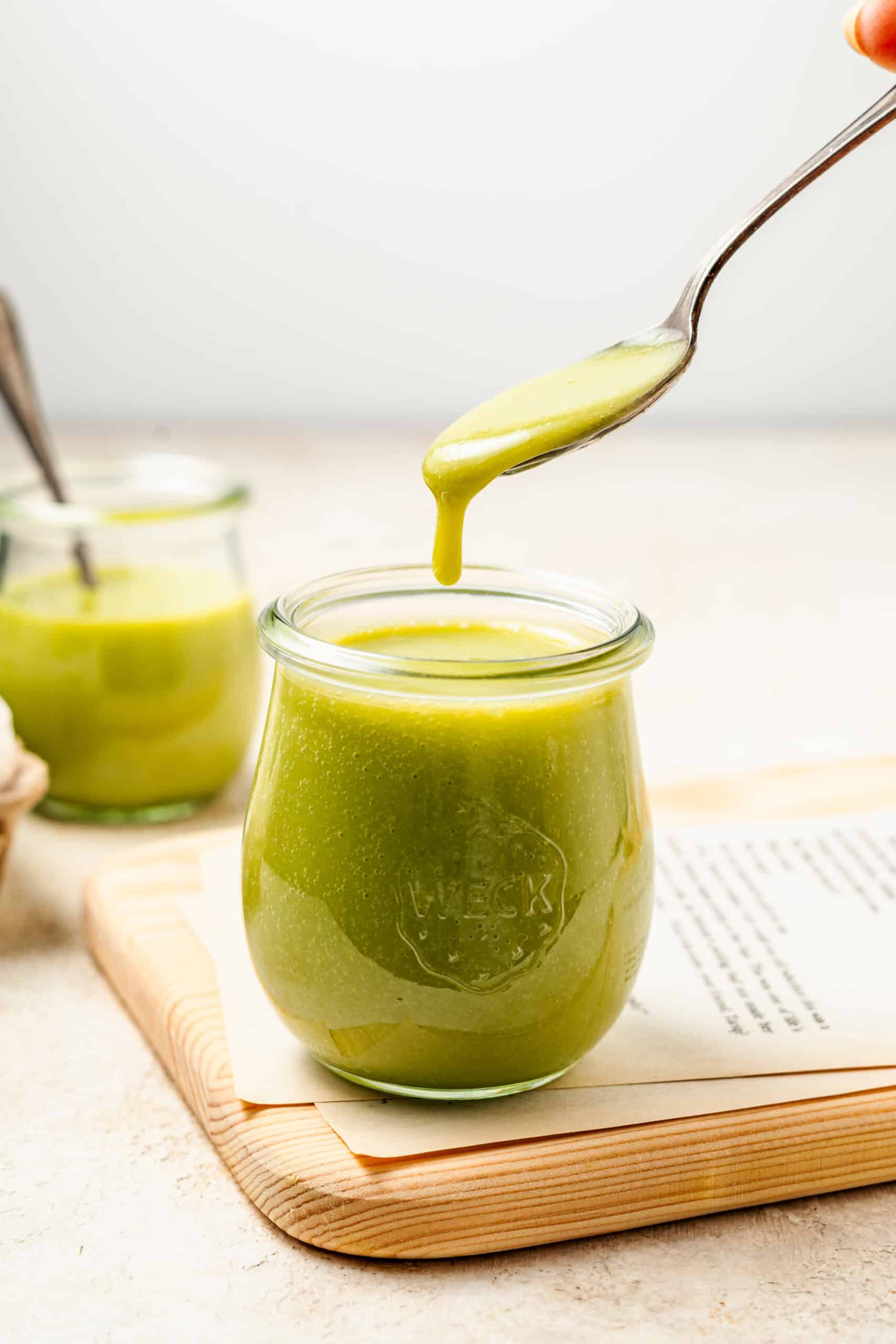
- Stir constantly with a silicone spatula or wooden spoon, scraping the bottom and sides of the bowl. After about 10 minutes, the mixture will start to thicken; after 25 to 40 minutes total, it will be the consistency of thick custard and coat the back of a spoon. A finger drawn through the coating should leave a clean line that holds.
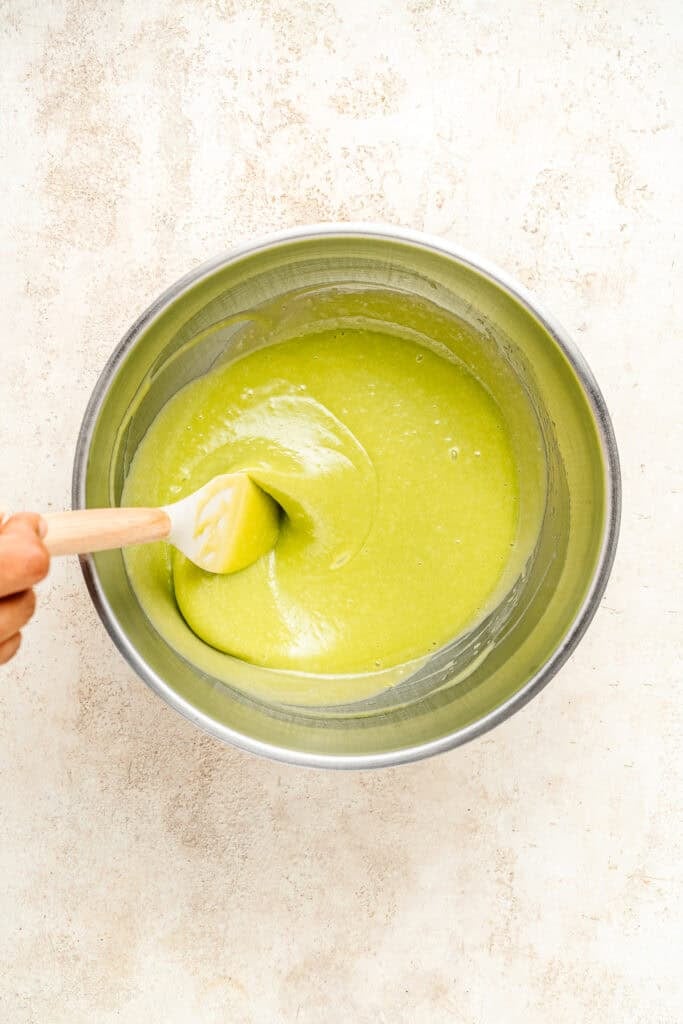
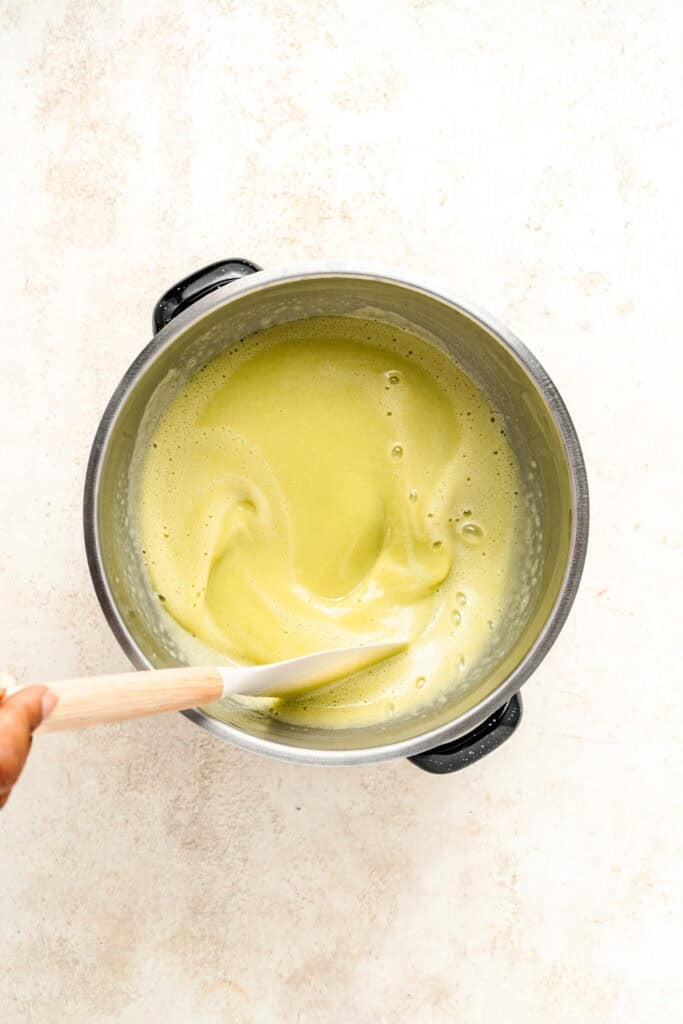
- For ultra-smooth restaurant-grade texture, blitz the warm kaya with an immersion blender for 30 seconds.
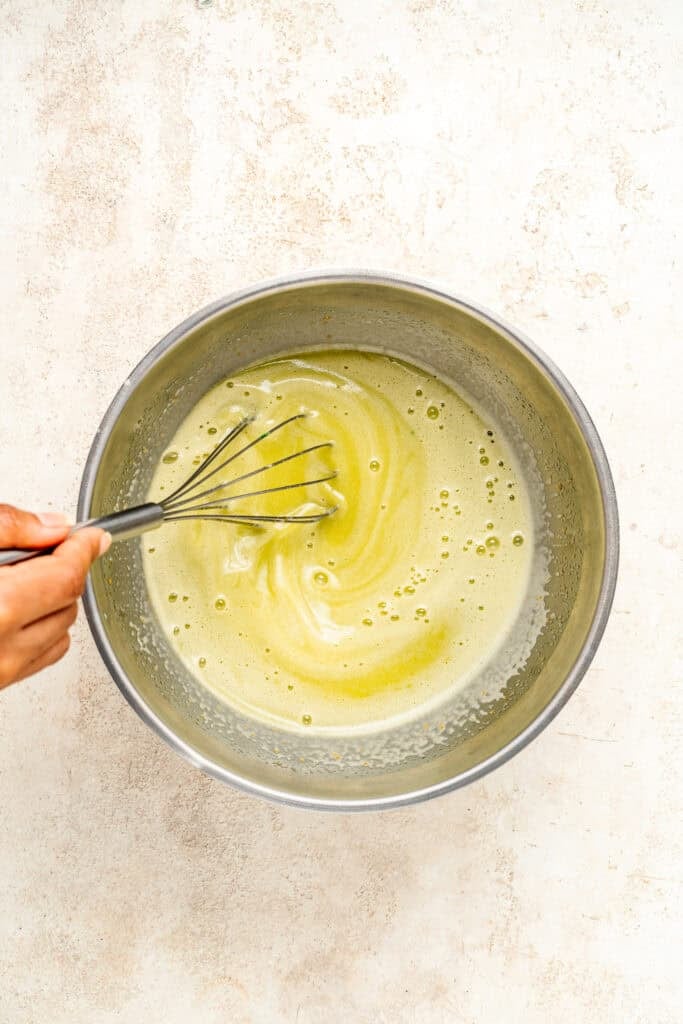
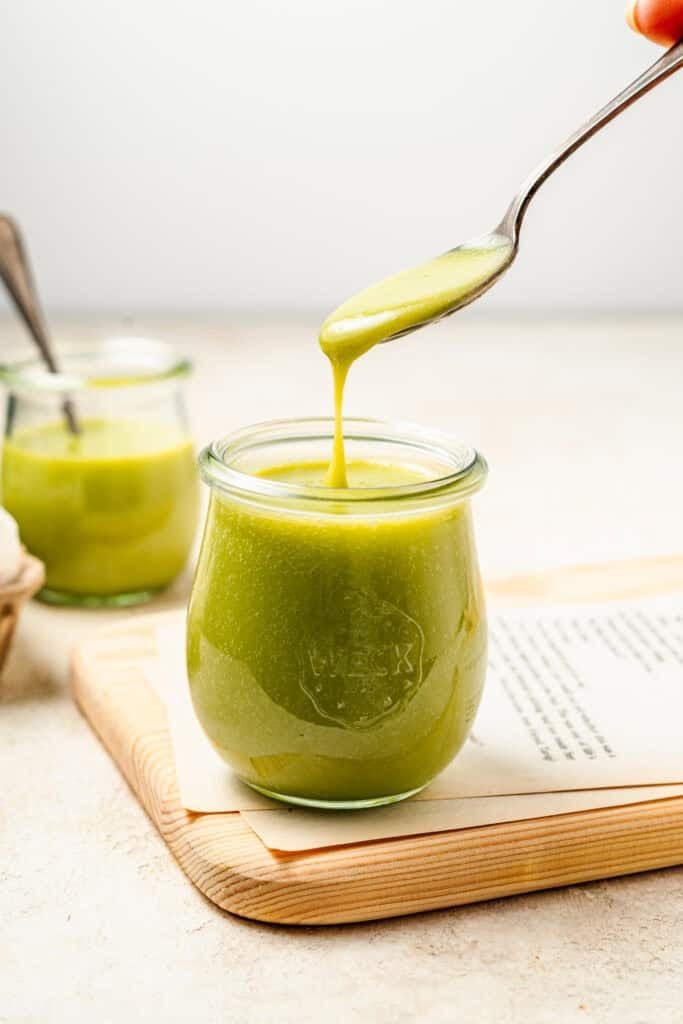
- Transfer to a clean glass jar. Cool to room temperature uncovered (about 30 minutes), then refrigerate for at least 2 hours to set fully.
Troubleshooting, Quick Fixes I’ve Learned from My Bakery Kitchen
| Issue | Why it happened | Quick fix |
|---|---|---|
| Kaya looks curdled | Heat was too high or eggs cooked too fast | Blend briefly, then strain while warm |
| Kaya is too runny | It was undercooked or coconut milk was thin | Return to double boiler and cook longer |
| Kaya has eggy flavour | Mixture got too hot or sat too long before cooking | Use lower heat and cook right after mixing |
| Colour is dull | Pandan leaves were old or too little pandan was used | Add a touch of pandan paste |
| Texture is lumpy | Sugar did not dissolve or eggs scrambled | Strain through a fine sieve before jarring |
Comparison, How This Recipe Stacks Up Against Other Desserts
| Dessert | Texture and flavour | Best use |
|---|---|---|
| Pandan kaya jam | Smooth, rich, creamy, floral, coconut-forward | Kaya toast, soft bun filling, cake topping |
| Thai pandan custard | Softer, looser, more dip-like | Steamed bread spread or sticky rice topping |
| Hainanese kaya | Caramel-toned, usually brown, less green pandan flavour | Kaya butter toast and kopitiam breakfast |
Tips, My Personal Tricks for a Professional-Looking Result
Keep the heat lower than you think
Kaya is a custard, not a sauce you can rush. If the water under your bowl is boiling hard, the eggs will catch and turn grainy.
A soft simmer gives you slow cooked kaya with a smoother finish. It takes longer, but the texture is worth it.
Love fragrant pandan desserts? My Pandan Chiffon Cake is light, airy, and filled with that classic floral pandan aroma.
Use full-fat coconut milk
Full-fat coconut milk gives this coconut custard jam body and shine. Thin coconut milk can make the jam watery and less rich.
Shake the tin well before using it. Coconut fat often separates, and you want it evenly mixed.
Don’t skip the sieve
Even when the jam looks smooth, I still strain it. It catches tiny egg bits and pandan fibres.
That one small step is how you get a smooth kaya paste that feels more like something from a dessert shop.
Make the pandan juice strong
Fresh pandan gives the best floral pandan flavor, but weak juice can taste flat. Use plenty of pandan leaves and squeeze the pulp well.
If the leaves are pale or not fragrant, add a small amount of pandan paste. A little goes a long way.
Stir around the edges
The edges of the bowl heat faster than the centre. Scrape them often so the egg coconut mixture cooks evenly.
This helps prevent lumps and keeps the kaya coconut spread glossy.
Cool before judging the thickness
Warm kaya always looks looser than chilled kaya. Don’t overcook it just because it seems soft in the bowl.
Once chilled, it sets into a thicker pandan coconut jam that spreads well on toast and buns.
If you enjoy chewy pandan treats, my Pandan Honeycomb Cake has a beautiful texture and rich coconut-pandan flavour.
Variations, Fun Twists and Flavours Inspired by Dessert Experiments
Palm Sugar Pandan Kaya
Swap half the caster sugar for palm sugar. You’ll get a deeper caramel note and a more traditional kaya recipe feel.
The colour will be less bright green, but the flavour is gorgeous with kaya toast.
Extra Green Kaya Jam
Use fresh pandan juice and a tiny bit of pandan paste. This gives you a brighter green kaya jam with a stronger tropical pandan flavor.
Keep the paste light. Too much can taste artificial.
Coconut Cream Kaya
Replace half the coconut milk with coconut cream. The result is a thicker, richer creamy coconut spread.
I like this version for cake filling, crepe filling, or donut filling because it holds its shape better.
Salted Butter Kaya
Stir in a small knob of salted butter after cooking. It gives the jam a glossy finish and makes it taste like kaya butter toast in a jar.
This one is lovely on warm milk bread kaya slices.
Vanilla Pandan Kaya
Add a small amount of vanilla bean paste with the coconut milk. It rounds out the herby pandan aroma and makes the spread softer.
This variation works well as an ice cream topping or yogurt parfait topping.
Toasted Coconut Kaya
Fold in a spoon of finely toasted coconut after the kaya cools. It adds a light chew and extra sweet coconut flavor.
Use it as a cake topping or plain biscuit spread when you want texture.
Serving Suggestions, How I Like to Present These for Maximum ‘Wow’
Kaya Toast
Spread the pandan kaya spread on crisp toast and add thin slices of cold butter. The hot toast, cool butter, and silky coconut jam are simple but so good.
Serve it with coffee for a proper coffee shop breakfast feel.
Kaya Butter Toast
Use thick white bread, toast it until golden, then sandwich it with kaya and butter. The butter melts just enough to mix with the sweet pandan spread.
It’s rich, salty, soft, and crisp all at once.
Soft Bun Filling
Pipe the kaya into soft milk buns or brioche rolls. It turns a plain bun into a gentle Southeast Asian kaya treat.
Chill the kaya first so it holds better inside the bread.
Cream Cracker Spread
Spread a thin layer on cream crackers or plain biscuits. The crisp, salty cracker makes the rich creamy kaya taste lighter.
It’s a quick snack that feels very nostalgic.
Yogurt Parfait Topping
Spoon a little kaya over Greek yogurt with granola and berries. The creamy coconut spread gives the bowl a tropical dessert feel.
Use only a small amount because kaya is sweet and rich.
Cake and Pastry Filling
Use chilled pandan custard spread between sponge cake layers, inside choux, or as a pastry filling. It pairs well with vanilla, coconut, mango, and banana.
For layer cakes, use a buttercream dam so the filling stays neat.
Common Mistakes to Avoid, Lessons I’ve Learned After Dozens of Batches
Cooking over direct high heat
Direct heat can scramble the eggs before the coconut milk thickens. Use a double boiler kaya method or bain marie coconut jam method for better control.
It is slower, but much safer.
Walking away from the pot
Kaya needs gentle, steady stirring. If you leave it too long, the edges can overcook.
Keep a spatula moving around the bowl, especially near the sides.
Using old pandan leaves
Old pandan leaves can taste grassy instead of fragrant. Fresh pandan should smell sweet, green, and a little floral.
If the leaves smell weak, support them with a touch of pandan paste.
Adding too much pandan paste
Pandan paste is strong. Too much can make the kaya taste fake and almost bitter.
Start small, then add more only if you need it.
Jarring while the tools are dirty
This is a preservative free jam, so clean jars matter. Wash and dry them well before filling.
Also use a clean spoon every time you serve it.
Overcooking for extra thickness
If you cook kaya too long, it can become heavy and grainy. Stop when it coats a spoon.
It will firm up in the fridge as it cools.
Frequently Asked Questions
Why is my kaya lumpy?
It usually means the eggs cooked too quickly. The best curdled kaya fix is to blend it briefly while warm, then strain it through a fine sieve.
Next time, lower the heat and stir more slowly but often.
Can I make Pandan Kaya Jam without fresh pandan leaves?
Yes, you can use pandan paste or pandan extract. Fresh pandan gives the most natural green color and floral pandan flavor, but paste is useful when leaves are hard to find.
Use it lightly so the flavour stays soft and clean.
Is kaya the same as coconut jam?
Yes, kaya is often called coconut jam, coconut egg jam, or coconut custard jam. It is not a fruit jam, though.
It is more like a sweet custard spread made with coconut milk, eggs, sugar, and pandan.
How long does homemade pandan kaya last?
It usually lasts 10–14 days in the fridge when stored in a clean jar. Since it has eggs and no preservatives, don’t leave it out for long.
If it smells sour, looks mouldy, or changes texture in a strange way, throw it out.
Can I freeze kaya?
You can, but I don’t love it. Freezing can make the silky coconut jam split once thawed.
For the best texture, make a smaller batch and keep it chilled.
What do I eat with kaya besides toast?
Try it with soft buns, milk bread, cream crackers, crepes, donuts, yogurt, granola and berries, or plain biscuits. It also works as a cake filling, cake topping, pastry filling, or fruit dip.
A small spoonful goes a long way because the flavour is rich.
Let’s Get Cooking
If you liked this recipe make sure to leave me a comment and rating down below. I’d love to know how it went! Also, don’t forget to tag me on Instagram @catherine.desserts.
Follow me on Facebook, Pinterest, YouTube, and TikTok for more of my baking creations and updates!
Pandan Kaya Jam
Savor Pandan Kaya Jam, a silky coconut-egg spread bursting with fragrant pandan sweetness!
- Prep Time: 10 minutes
- Cook Time: 40 minutes
- Total Time: 50 minutes
- Yield: 1.5 cups 1x
- Category: Asian Dessert
- Method: Intermediate
- Cuisine: Asian
Ingredients
Pandan extract (homemade — preferred):
- 6–8 fresh pandan leaves, washed and chopped
- 60 ml water
- (Or skip the pandan leaves entirely and use 1 tsp pandan paste added with the coconut milk)
Kaya base:
- 4 large eggs + 2 yolks, room temperature
- 200 g caster sugar
- 250 ml (1 cup) full-fat coconut milk
- 1/4 tsp fine sea salt
Instructions
- Make the pandan juice (skip if using paste): blend chopped pandan leaves with the 60 ml water for 1–2 minutes until vivid green. Strain through a fine sieve into a small jug, pressing hard on the pulp. You should have ~50 ml of deep-green juice. Set aside.
- In a large heatproof bowl, whisk eggs, yolks, and caster sugar until pale and smooth (about 1 minute). Do not aerate.
- Whisk in the coconut milk, pandan juice (or pandan paste), and salt until uniform.
- Strain the mixture through a fine sieve into a clean heatproof bowl — this removes chalazae (egg cords) for a perfectly silky finish.
- Set the bowl over a saucepan of barely simmering water (the bowl should NOT touch the water). Heat the water on low — kaya cooks gently or it scrambles.
- Stir constantly with a silicone spatula or wooden spoon, scraping the bottom and sides of the bowl. After about 10 minutes, the mixture will start to thicken; after 25–40 minutes total, it will be the consistency of thick custard and coat the back of a spoon. A finger drawn through the coating should leave a clean line that holds.
- For ultra-smooth restaurant-grade texture, blitz the warm kaya with an immersion blender for 30 seconds.
- Transfer to a clean glass jar. Cool to room temperature uncovered (about 30 minutes), then refrigerate for at least 2 hours to set fully.
Notes
- Constant stirring is non-negotiable. If you walk away, the egg cooks against the bowl and you get scrambled flecks — the kaya won’t be salvageable. Set a podcast on, this is a 30-minute meditation.
- For the Hainanese-style brown kaya (darker color, more caramel notes), replace 100 g of caster sugar with 100 g gula melaka (palm sugar). Caramelize 30 g of the gula melaka in a dry pan until amber, whisk into the finished kaya off heat.
- Storage: keeps 2 weeks refrigerated in an airtight jar. Freezes well up to 3 months — thaw overnight in the fridge.
- Classic uses: kaya toast (toasted milk bread + cold butter + kaya), spread inside melon pan (see Pick 2), filling for steamed buns, swirled into vanilla ice cream, layered into coconut cream cakes.