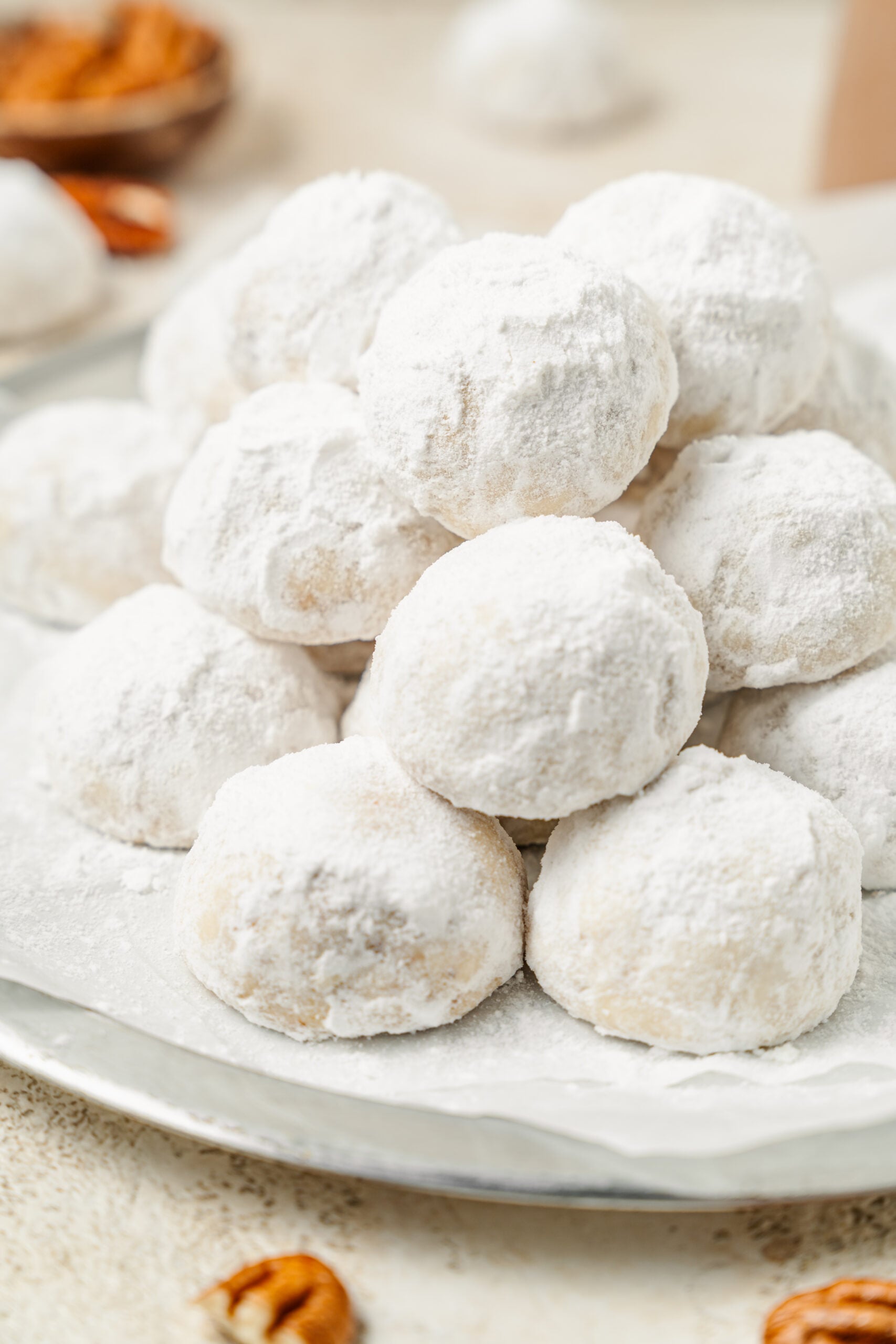
This snowball cookies recipe is a buttery pecan shortbread rolled in powdered sugar twice, once warm and once cold, and that double coat is the only real trick in it.
Snowball cookies are one of the five recipes that turn up in almost every American Christmas cookie tin, and they are also the one most likely to arrive looking patchy and bare. The cookie underneath is easy. The snowy coat is where people lose them.
What you are making is a nut shortbread: butter, powdered sugar, flour and finely chopped toasted pecans, with no eggs and no leavening at all. It bakes into a dense little ball that stays pale on top, and then gets rolled through powdered sugar twice at two different temperatures. If you have made Chinese almond cookies the dough will feel familiar in your hands.
Snowball cookies, Russian tea cakes and Mexican wedding cookies are the same cookie
This is the first thing people search and the answer is genuinely simple: snowball cookies, Russian tea cakes, Mexican wedding cookies, Italian wedding cookies and butterballs are all one recipe under different names. A buttery nut shortbread, rolled into a ball, baked pale and coated in powdered sugar.
What changes between them is the nut and the region, not the method. Pecans are standard across the American South, walnuts show up in the Russian tea cake tradition, and almonds or hazelnuts are common in the Italian and Mexican versions. The shape is always a ball and the coating is always powdered sugar, which is why no one can agree on which name is correct.
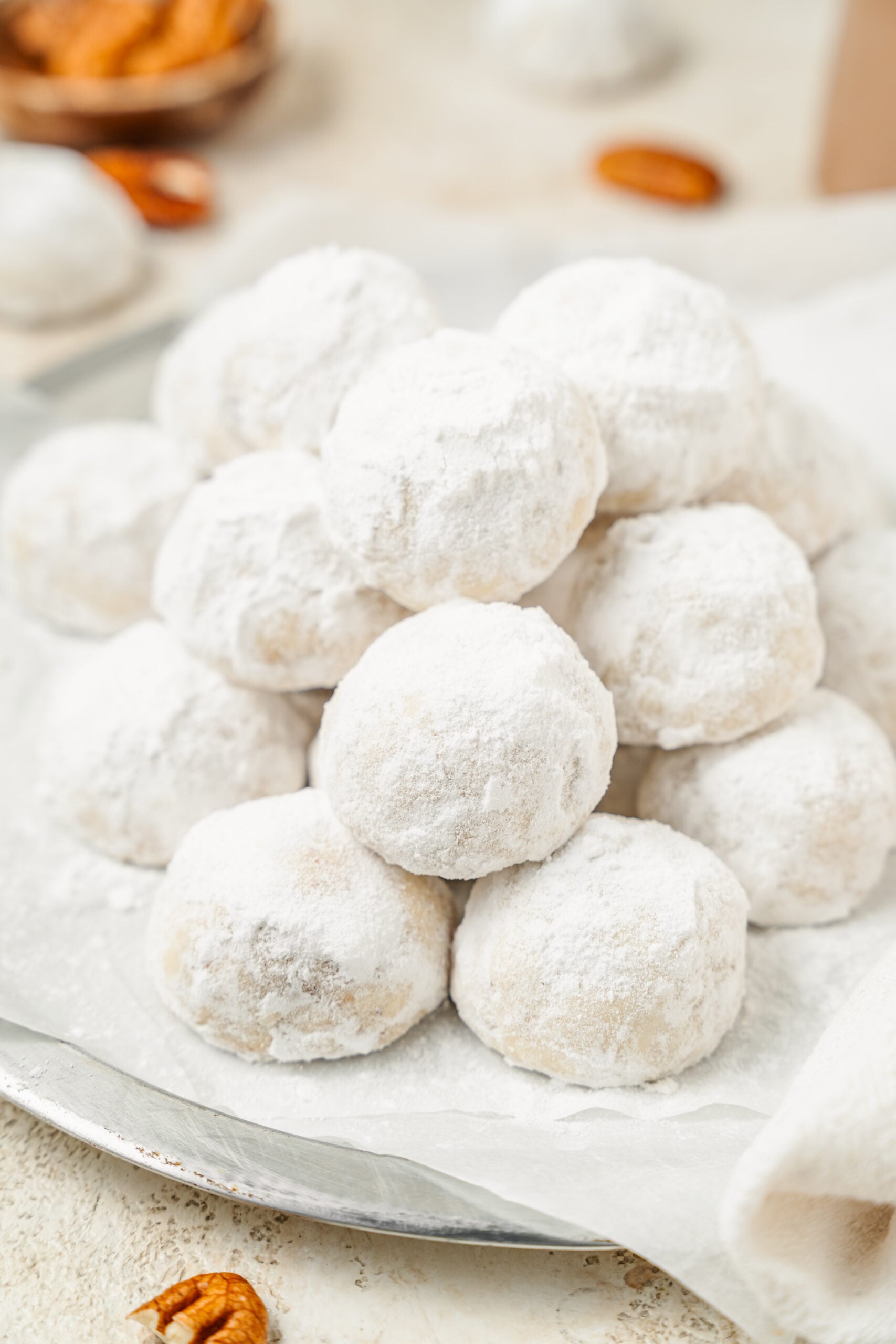
The double coat, and why it has to happen twice
The first roll goes on while the cookies are warm, about five minutes out of the oven, just when you can handle them. At that temperature the sugar partly dissolves against the hot surface and sets into a thin glaze. It will look patchy, damp and slightly disappointing, and that is exactly what you want.
The second roll goes on once they are completely cold. That glaze from the first coat is tacky enough to grip a thick, even, powdery layer, and this is the one that reads as snow. Skip the first coat and the sugar slides straight off the smooth baked surface within an hour.
Timing is the only way to get it wrong. Roll them straight out of the oven and the sugar vanishes into the cookie entirely, leaving a wet looking shell. Wait until they are stone cold with no first coat at all and nothing sticks. Five minutes on the tray is the number, and it is far more forgiving than the icing timing on Christmas sugar cookies.
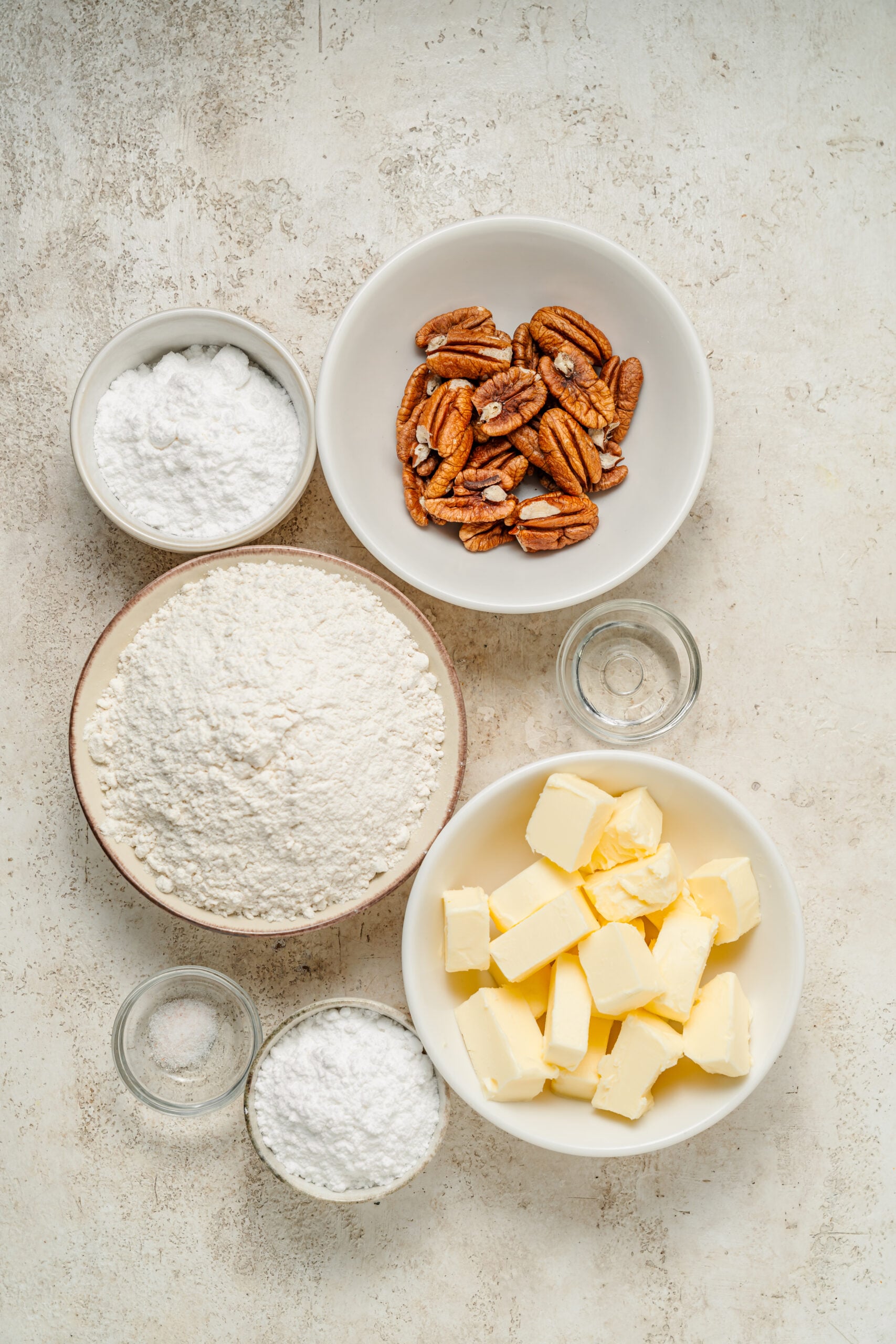
Snowball cookie ingredients
For the cookies
- Pecan halves: toasted and chopped very finely, they carry the entire flavour of the cookie. Buy halves rather than pieces, because pieces are usually older and the oils in a stale pecan taste flat and faintly bitter.
- Unsalted butter: softened this time, unlike a rolled shortbread, because the dough has to be creamed enough to hold a ball shape without cracking. It should dent easily but not look oily.
- Powdered sugar: sweetens the dough without adding grit, which keeps the crumb smooth and tight. Granulated sugar in the dough gives a coarser, more open cookie that does not hold its ball shape as neatly.
- Vanilla extract: a generous teaspoon and a half, because the toasted pecan needs something warm sitting behind it rather than competing with it.
- Fine sea salt: only a quarter teaspoon, but without it the whole cookie tastes like sweetened flour. Nuts in particular fall flat with no salt at all.
- All purpose flour: the structure. Measure it carefully, because this dough has no egg and no liquid, so extra flour has nothing to hydrate it and the cookies turn dusty.
For the coating
- Powdered sugar: 150 g sounds like a lot for 36 cookies and it is roughly right once you account for two coats and what stays behind in the bowl. Sift it if it has been sitting in the cupboard and gone lumpy.
How to make snowball cookies
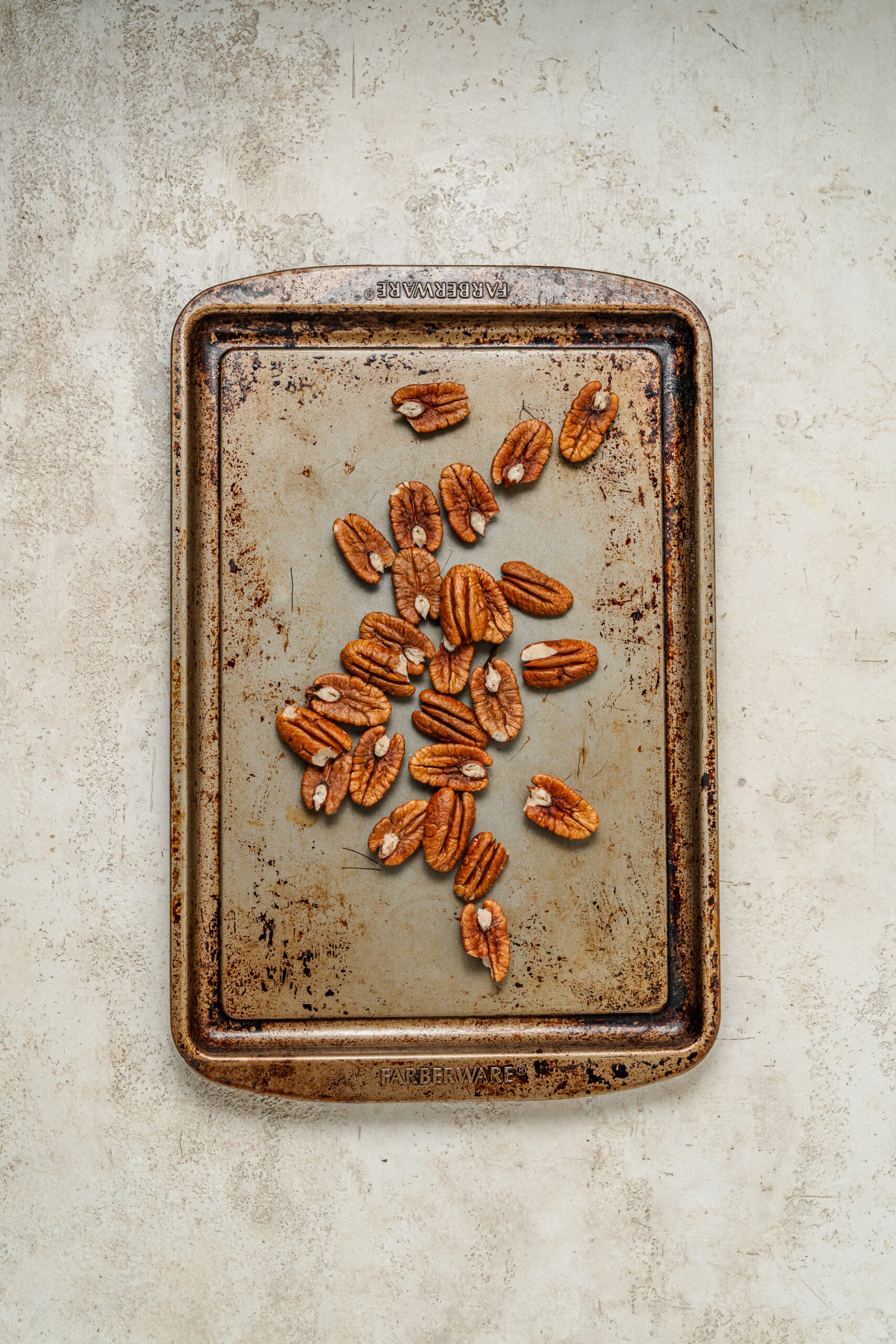
- Heat the oven to 180C, 350F. Spread the pecans on a tray and toast for 7 to 8 minutes, until you can smell them from across the kitchen.
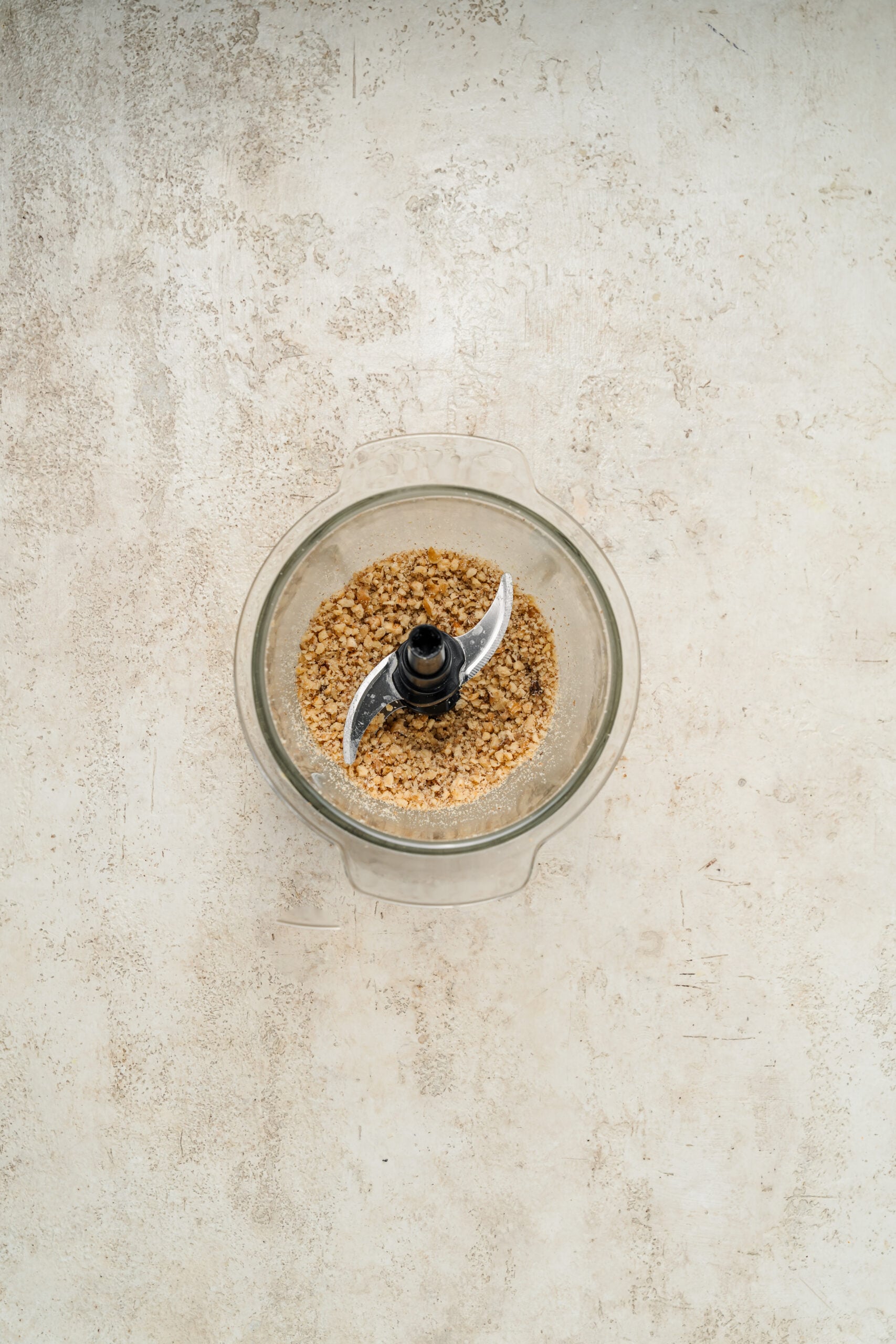
- Cool them completely, then chop very finely by hand or pulse in a food processor until they look like coarse sand with a few small pieces left. Stop well before they turn to paste.
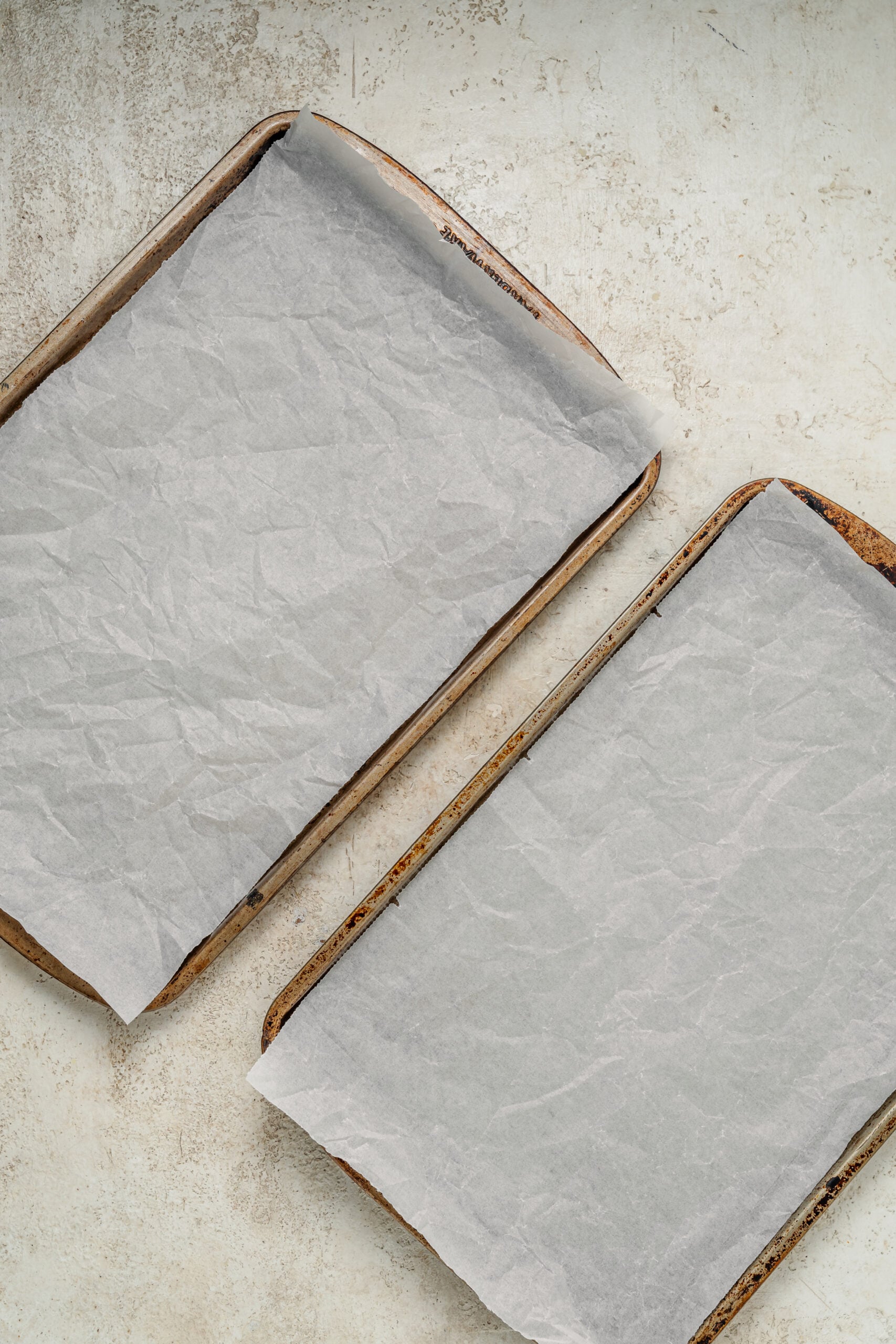
- Line two baking trays with baking paper.
- Put the butter and the 65 g of powdered sugar into a large bowl.
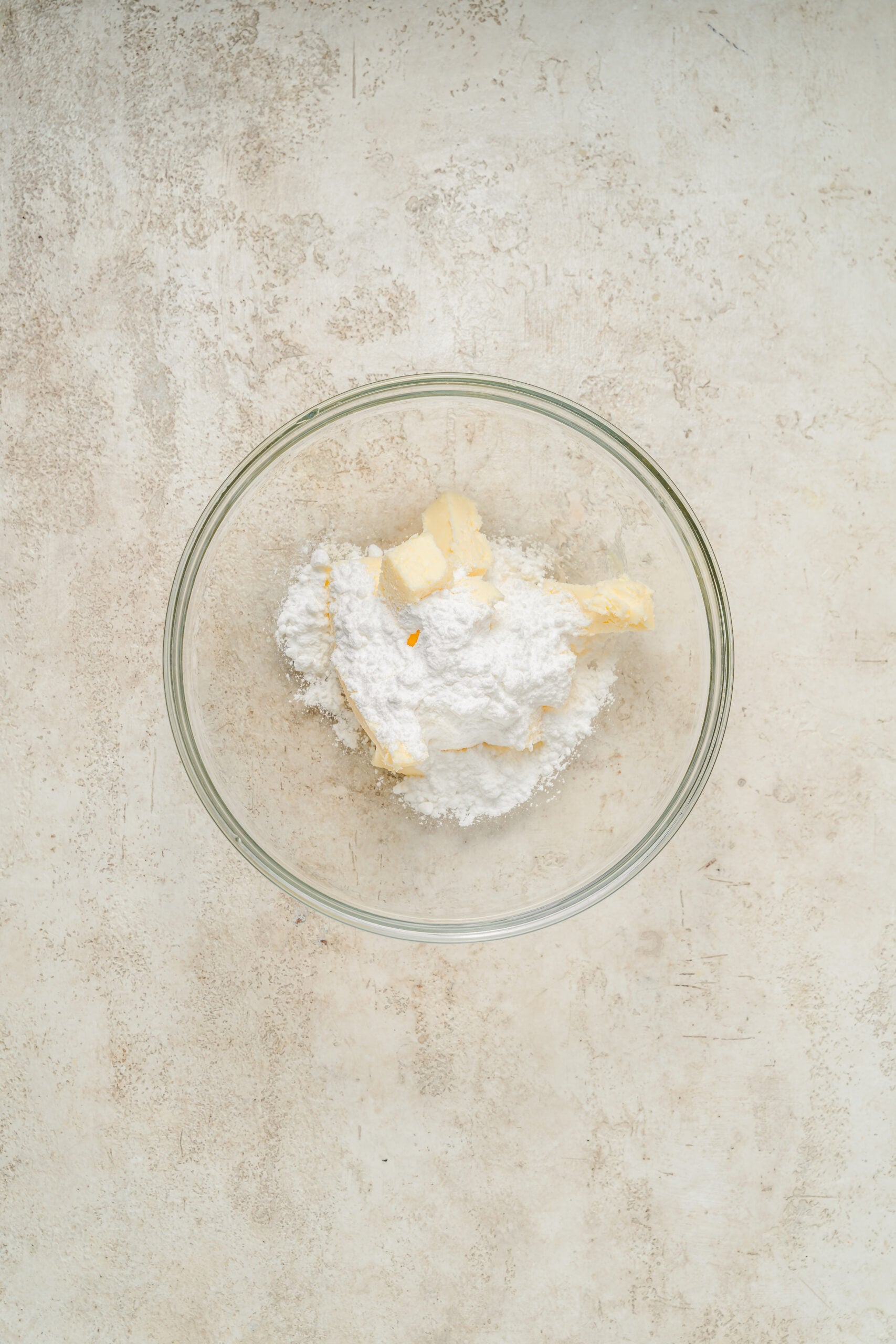
- Beat with a hand mixer on medium for about 2 minutes, until pale and creamy, then beat in the vanilla and the salt.
- Add the flour and mix on low. It will look dry and crumbly for a while before it clumps, so keep going until the dough just comes together.
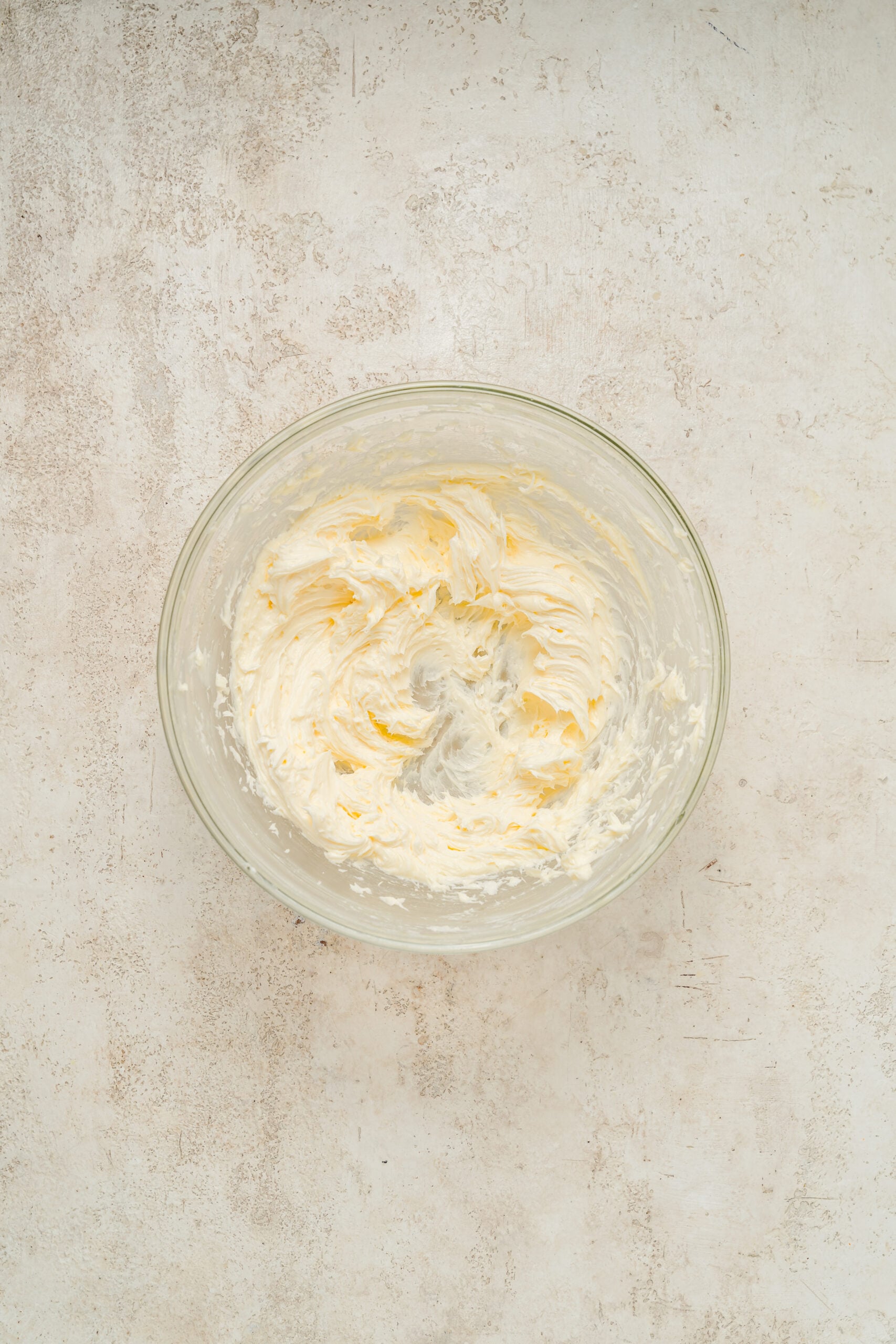
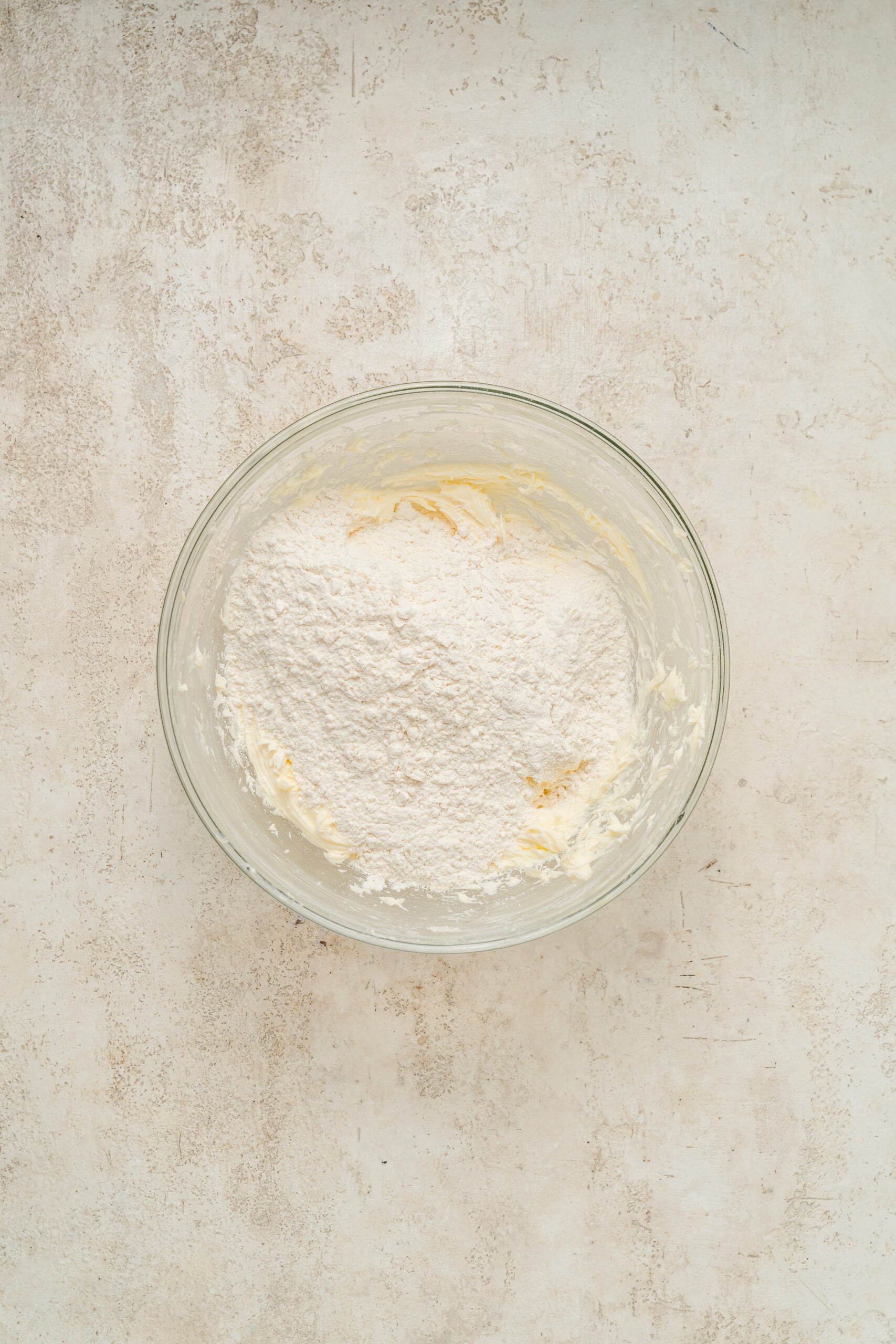
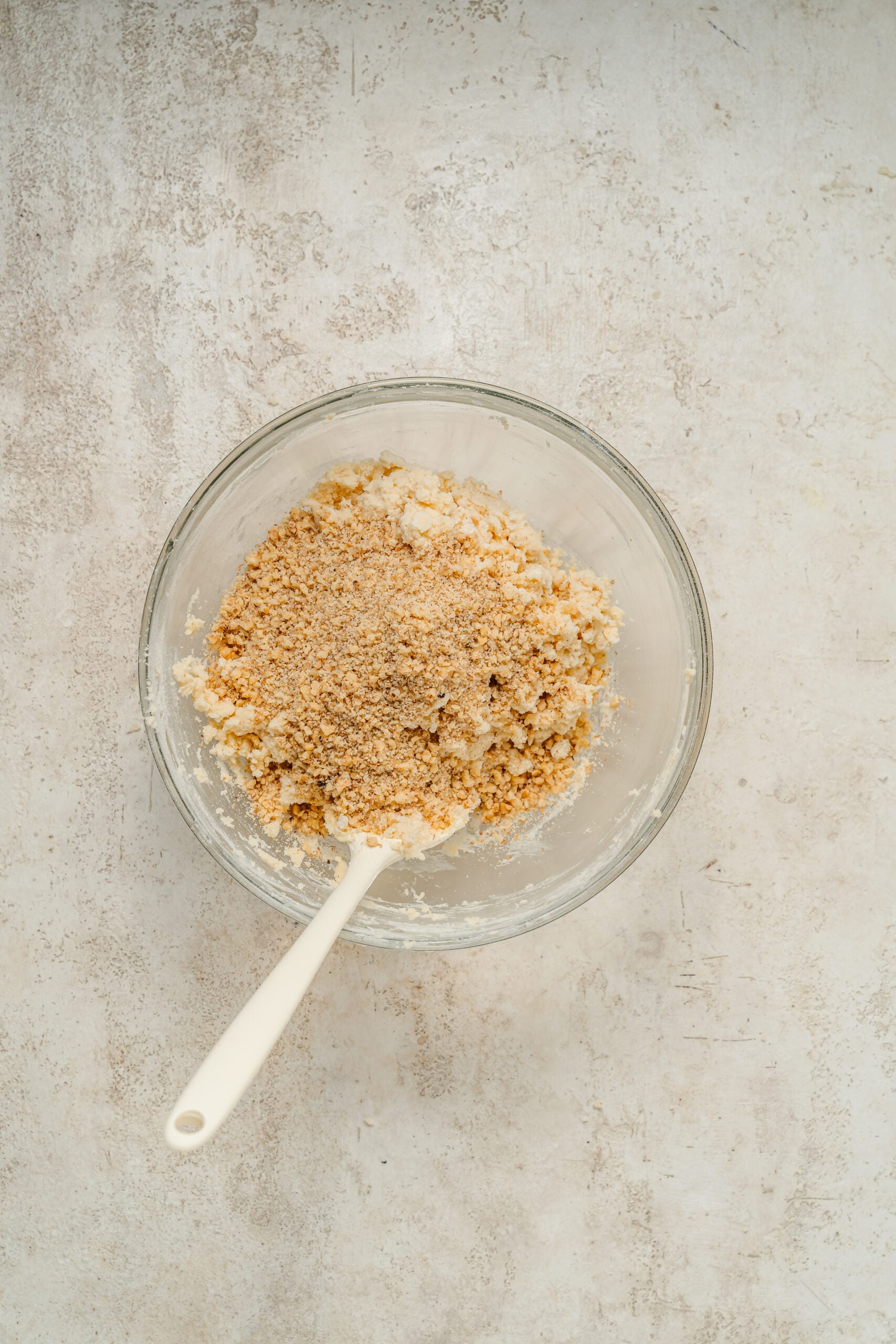
- Add the pecans and mix only until they are evenly distributed through the dough.
- Scoop level tablespoons, about 18 g each, and roll them into smooth balls between your palms. Space them about 3 cm apart on the lined trays.
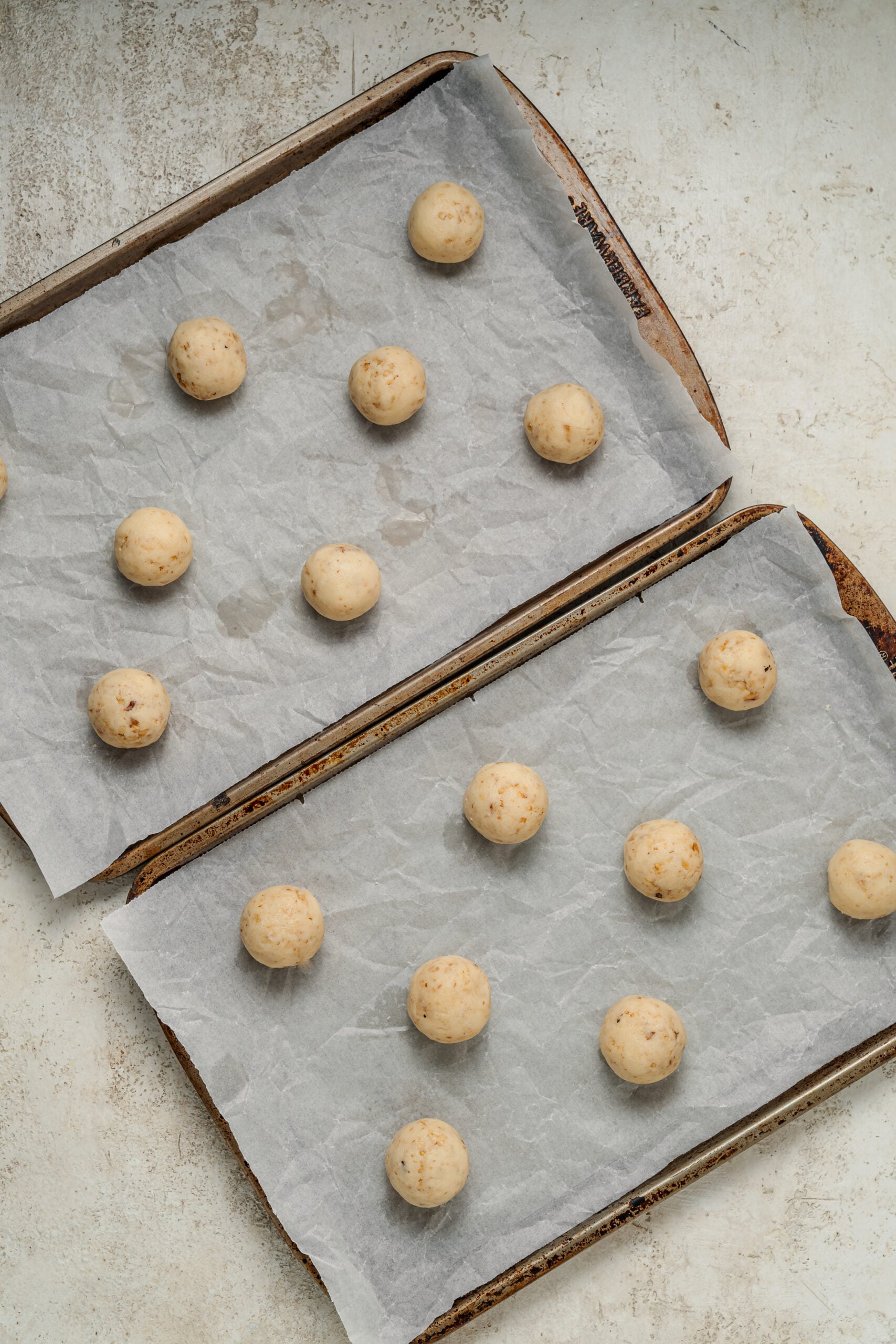
- Chill both trays for 30 minutes. This is what stops the cookies slumping into discs in the oven.
- Bake one tray at a time for 12 to 14 minutes, until the bases are lightly golden and the tops are still pale and set. Cool on the tray for 5 minutes, only until you can handle them, then roll each warm cookie through the coating sugar.
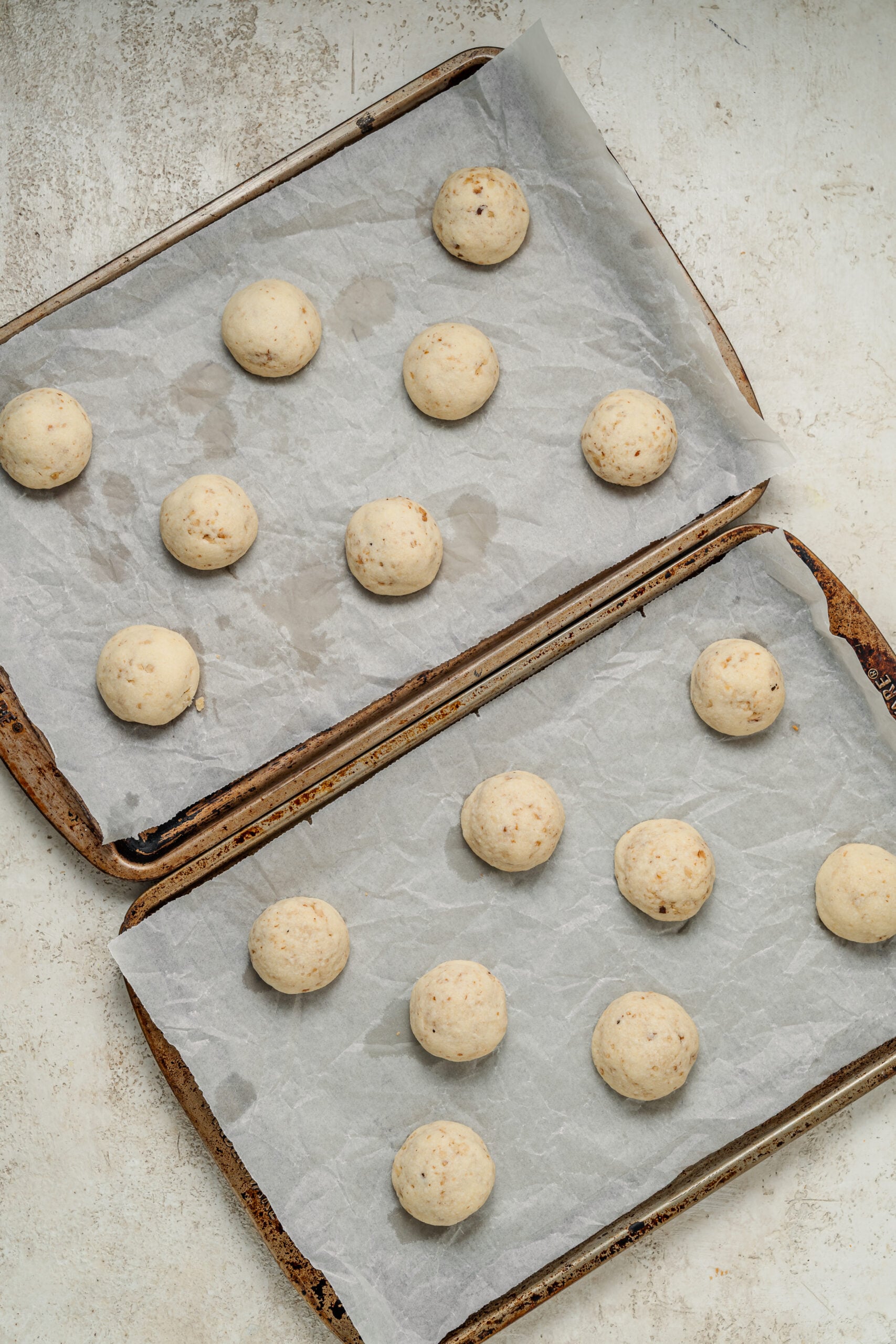
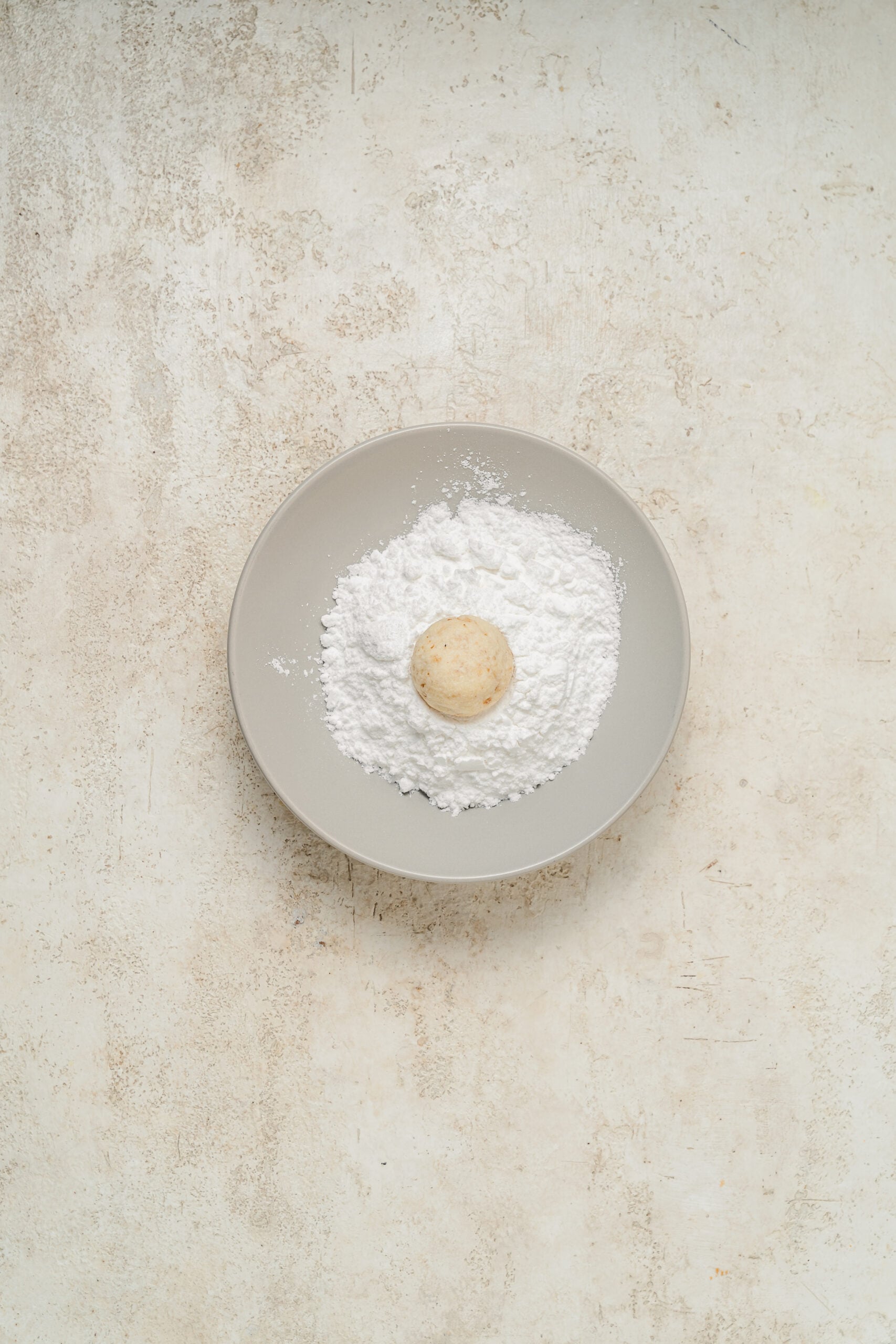
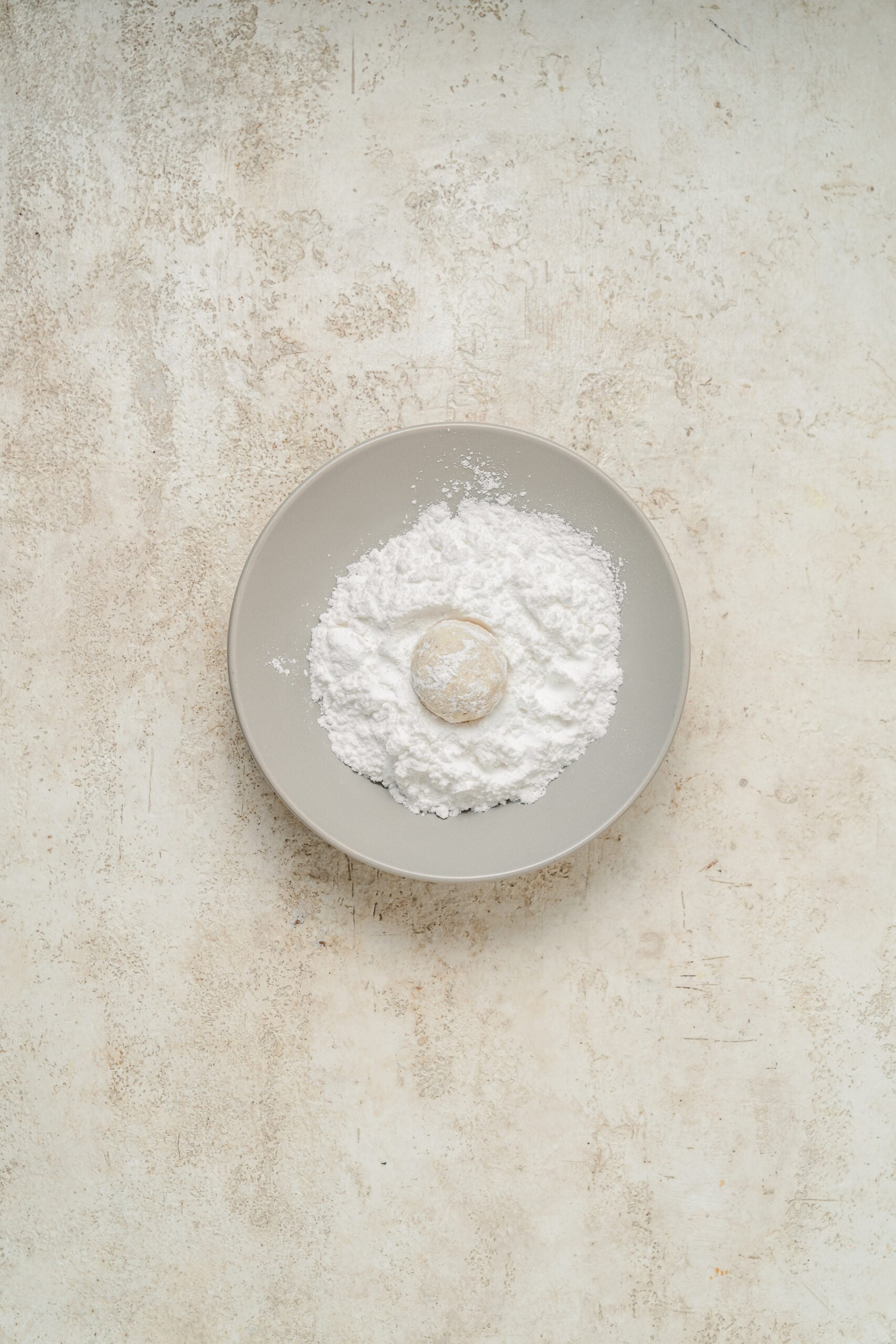
- Set them on a wire rack. The first coat melts into a thin glaze, so they will look damp and patchy at this stage, which is correct.
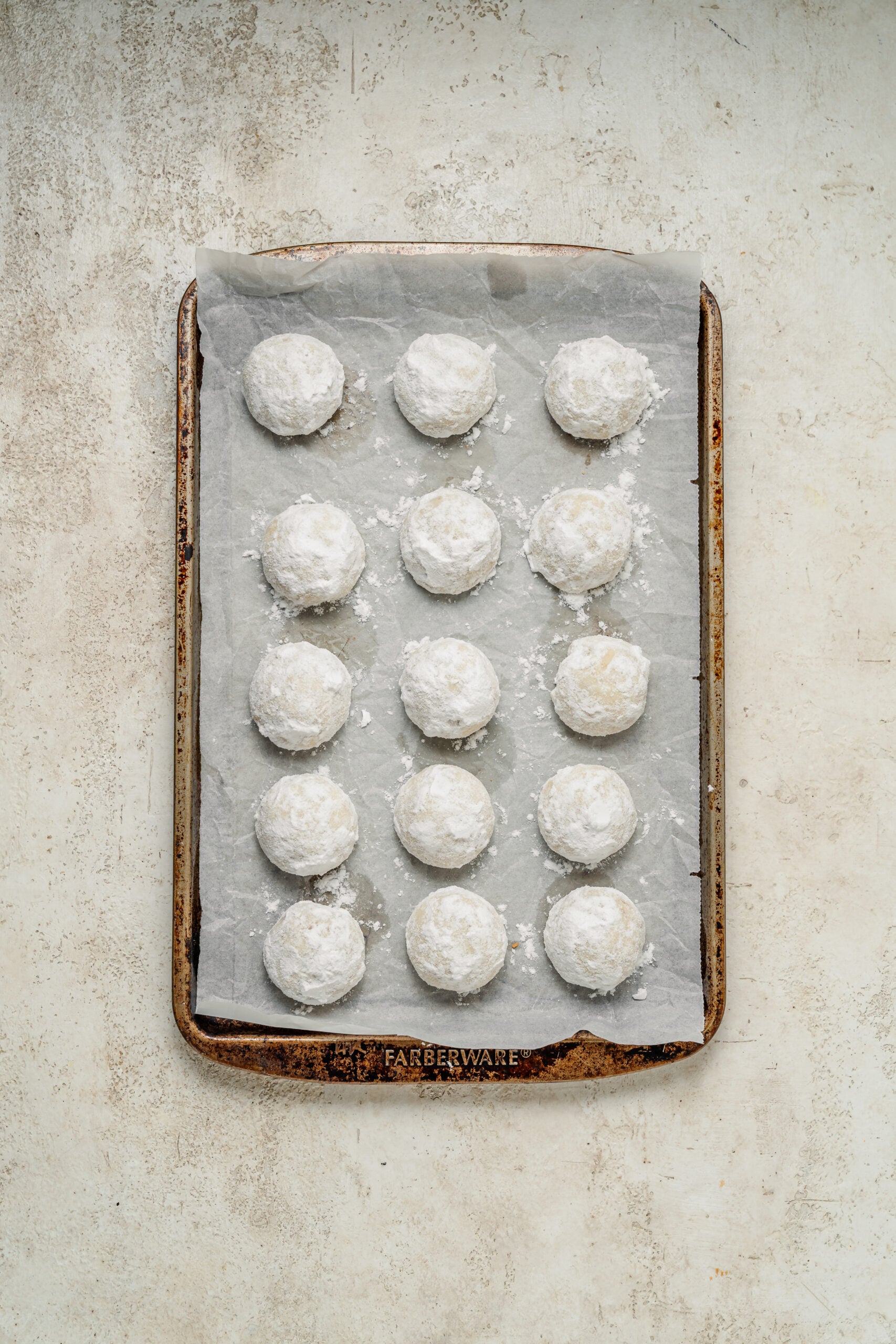
- Once they are completely cold, roll every cookie through the sugar a second time for a thick, snowy coat.
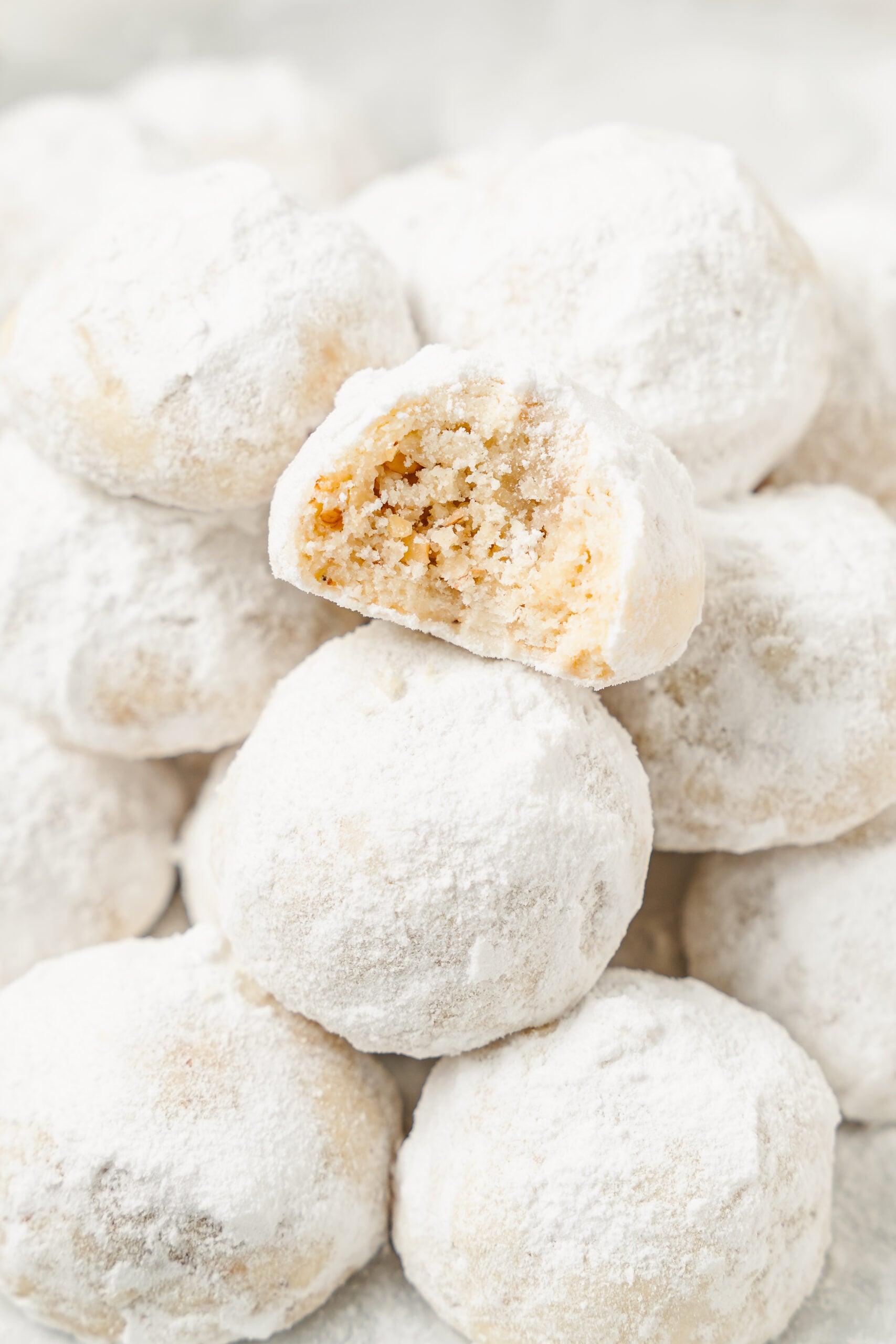
Toasting and chopping the pecans properly
Raw pecans taste thin and slightly green in a cookie this plain, so the 7 to 8 minutes of toasting is not optional. Pull them when the kitchen smells nutty and the nuts look a shade darker, and get them off the hot tray straight away, because they keep cooking on it and scorched pecan is unmistakably bitter.
Cool them fully before chopping. Warm nuts are oily and a food processor turns them to butter in seconds rather than sand. Pulse in short bursts and look between each one, aiming for something like coarse sand with a few pieces the size of a match head still in there.
Chop too coarsely and the cookies crumble when you pick them up, because large pieces of nut interrupt the dough and give it nowhere to hold together. Chop too finely and you lose the texture entirely, which is the same balance I use for the sesame in my black sesame cookies. Both of these are nut shortbreads in the same family as classic shortbread cookies, just with the nut doing the work the cornstarch does there.
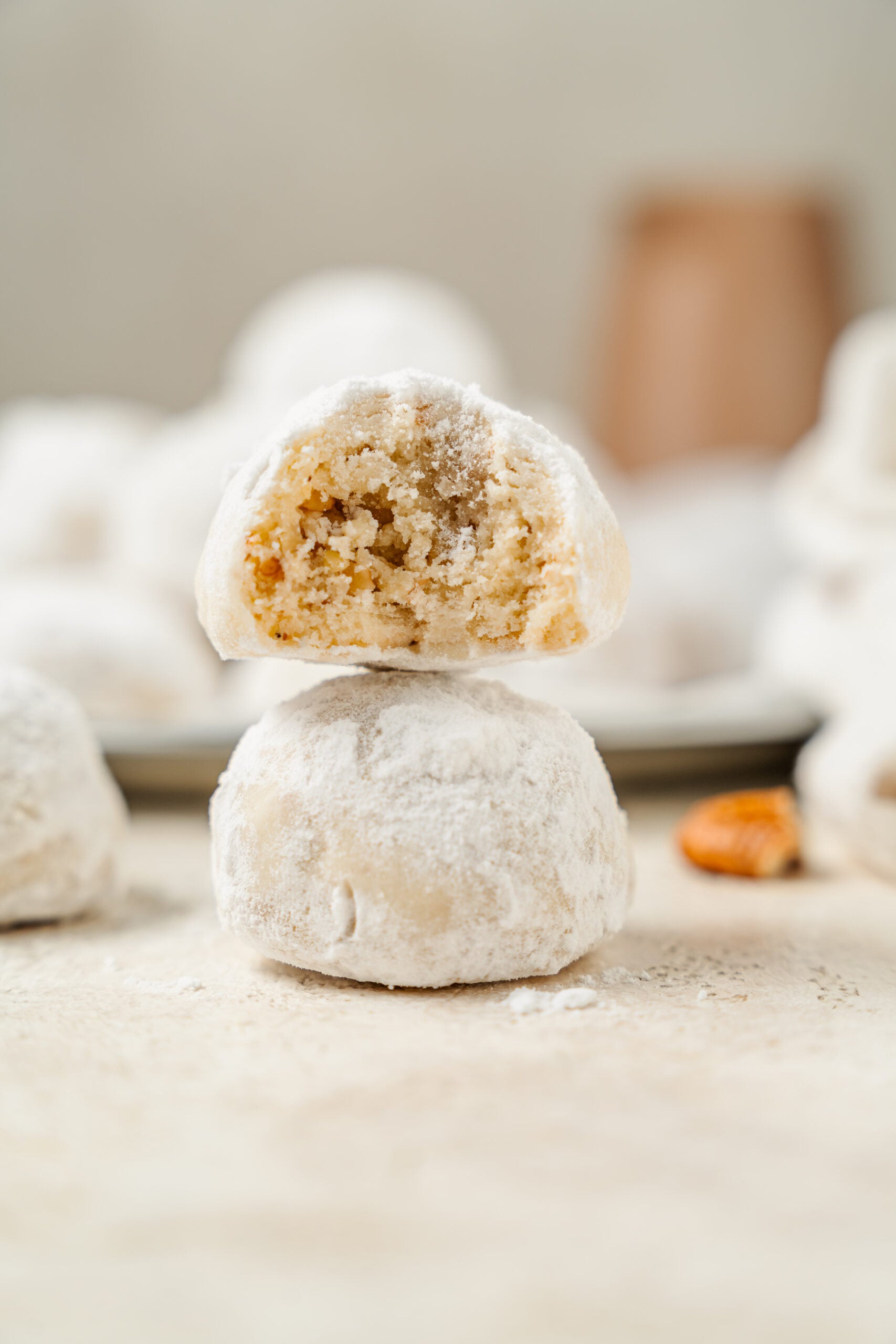
Nut swaps and small changes that actually work
Other nuts
Walnuts, almonds and hazelnuts all swap in weight for weight, and each one changes the character noticeably. Walnuts are the Russian tea cake version and bring a slight tannic edge, almonds are the mildest and the sweetest, and toasted hazelnut is the most assertive of the three. Toast whichever you use, because raw nuts taste flat in this dough.
Flavouring the coating
Whisk a teaspoon of ground cinnamon or half a teaspoon of fine espresso powder through the coating sugar before the second roll. Keep the first coat plain, since that one mostly dissolves anyway and you would just be throwing the flavouring away.
Size
Level tablespoons, around 18 g, give about 36 cookies and bake in 12 to 14 minutes. If you want smaller ones for a tin, scoop two teaspoons instead and drop the bake to 10 to 11 minutes, watching the bases rather than the tops.
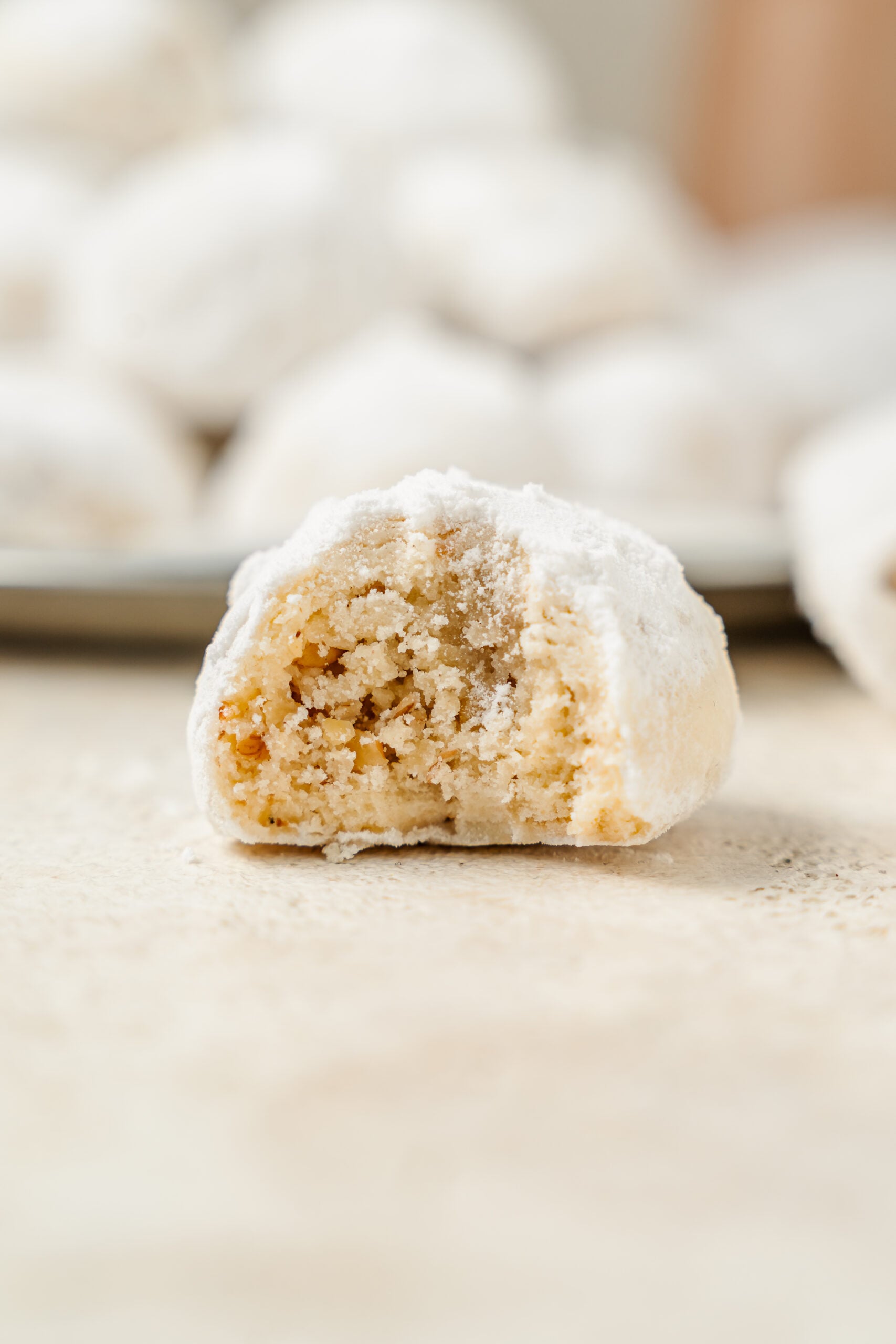
Storing snowball cookies and making them ahead
Baked and coated, they keep in an airtight container at room temperature for a week with a sheet of baking paper between the layers. The sugar does slowly absorb into the cookie over a few days, so give them a fresh dusting just before serving if they have been sitting.
The dough freezes better than the baked cookie. Roll the balls, freeze them solid on a tray, then bag them for up to three months and bake straight from frozen with two extra minutes, coating them exactly as you would normally. That makes these and my cherry thumbprint cookies the two I always get out of the way early in December.
Frequently Asked Questions
Are snowball cookies the same as Mexican wedding cookies?
They are the same cookie under a different name. Snowball cookies, Mexican wedding cookies, Russian tea cakes, Italian wedding cookies and butterballs all describe a buttery nut shortbread rolled into a ball and coated in powdered sugar. The usual difference is the nut, pecans in the American South and walnuts or almonds elsewhere, and sometimes a pinch of cinnamon in the coating.
Why does the powdered sugar keep falling off my snowball cookies?
The first coat was skipped or went on at the wrong temperature. Rolling them warm, about five minutes out of the oven, melts a thin layer of sugar into a glaze that the second coat can grip. Roll them straight from the oven and the sugar disappears into the cookie, and roll them stone cold with no first coat and there is nothing tacky for it to hold onto.
Can I use walnuts or almonds instead of pecans?
Yes, swap them weight for weight. Walnuts give the slightly tannic Russian tea cake version, almonds are the mildest and sweetest, and toasted hazelnuts are the most assertive. Whichever you choose, toast them first and cool them fully before chopping, because raw nuts taste flat in a dough this plain.
Why did my snowball cookies flatten instead of staying round?
The butter was too soft when you creamed it, or the trays went into the oven without the 30 minute chill. These cookies have no egg to set them, so cold fat is what holds the ball shape through the first few minutes of baking. If your kitchen is warm, chill the rolled balls for 45 minutes instead.
How long do snowball cookies keep?
About a week in an airtight container at room temperature, with a sheet of baking paper between the layers so the coating does not rub off. The sugar slowly absorbs into the cookie over a few days, so give them a fresh dusting just before you serve them. The unbaked dough balls freeze for three months and bake from frozen with two extra minutes.
Do I really have to chill the dough?
Yes, and it is the step most often skipped. Thirty minutes in the fridge firms the butter so the balls hold their shape rather than slumping into discs, and it also lets the flour hydrate, which makes the baked cookie less crumbly. It is the difference between a round snowball and a flat one.
Let’s Get Cooking
If you liked this recipe make sure to leave me a comment and rating down below. I’d love to know how it went! Also, don’t forget to tag me on Instagram @catherine.desserts.
Follow me on Facebook, Pinterest, YouTube, and TikTok for more of my baking creations and updates!
Snowball Cookies

Buttery pecan snowball cookies rolled in powdered sugar twice, once warm and once cold, for a thick snowy coat. Also known as Russian tea cakes and Mexican wedding cookies.
- Prep Time: 20 minutes
- Chill Time: 30 minutes
- Cook Time: 14 minutes
- Total Time: 1 hour 15 minutes
- Yield: About 36 cookies 1x
- Category: Cookies
- Method: Baking
- Cuisine: American
Ingredients
Cookies
- 120 g (1 cup) pecan halves
- 225 g (1 cup, 2 sticks) unsalted butter, softened
- 65 g (1/2 cup) powdered sugar
- 1 1/2 teaspoons vanilla extract
- 1/4 teaspoon fine sea salt
- 280 g (2 1/4 cups) all purpose flour
Coating
- 150 g (1 1/4 cups) powdered sugar
Instructions
- Preheat the oven to 180C (350F). Spread the pecans on a tray and toast for 7 to 8 minutes, until fragrant. Cool completely, then chop very finely by hand or pulse in a food processor until they look like coarse sand with a few small pieces. Do not grind to a paste.
- Line two baking trays with baking paper.
- Beat the butter and 65 g powdered sugar in a large bowl with a hand mixer on medium for about 2 minutes, until pale and creamy. Beat in the vanilla and salt.
- Add the flour and mix on low until the dough just comes together. It will look dry and crumbly at first, then clump. Add the pecans and mix until evenly distributed.
- Scoop level tablespoons of dough (about 18 g each) and roll into smooth balls between your palms. Place 3 cm apart on the trays. Chill the trays for 30 minutes.
- Bake one tray at a time for 12 to 14 minutes, until the bottoms are lightly golden and the tops are still pale and set. They do not spread much, so judge by the base, not the top.
- Cool on the tray for 5 minutes, only until you can handle them. Put the coating sugar in a wide bowl and roll each warm cookie in it until coated. Set on a wire rack.
- Once completely cold, roll every cookie in the sugar a second time for a thick, snowy coat.
Notes
- The names: snowball cookies, Russian tea cakes, Mexican wedding cookies and butterballs are all the same cookie, a buttery nut shortbread rolled in powdered sugar. The nut changes by region and the shape is always a ball.
- Nut swaps: walnuts, almonds or hazelnuts work weight for weight. Toast whichever you use, raw nuts taste flat here.
- Two coats, two temperatures. The first roll while warm makes the sugar melt into a thin glaze that the second coat sticks to. Roll too hot and the sugar vanishes into the cookie, roll stone cold with no first coat and it falls straight off.
- Do not brown the tops. A golden top means a dry cookie. The base should be golden and the top matte and pale.
- Make ahead and storage: the rolled dough balls freeze for 3 months on a tray, then in a bag, and bake from frozen with 2 extra minutes. Baked cookies keep in an airtight container at room temperature for 1 week, with a sheet of baking paper between layers. Give them a fresh dusting of sugar before serving if they have been stored.
- Troubleshooting: cookies flattened, the butter was too soft or the trays went in without chilling. Cookies crumbly and falling apart, the nuts were chopped too coarsely or the dough was under mixed, it should hold firmly when squeezed. Sugar coat patchy, the first coat went on too hot, so let them sit another minute next time.
Nutrition
- Serving Size: 1 cookie