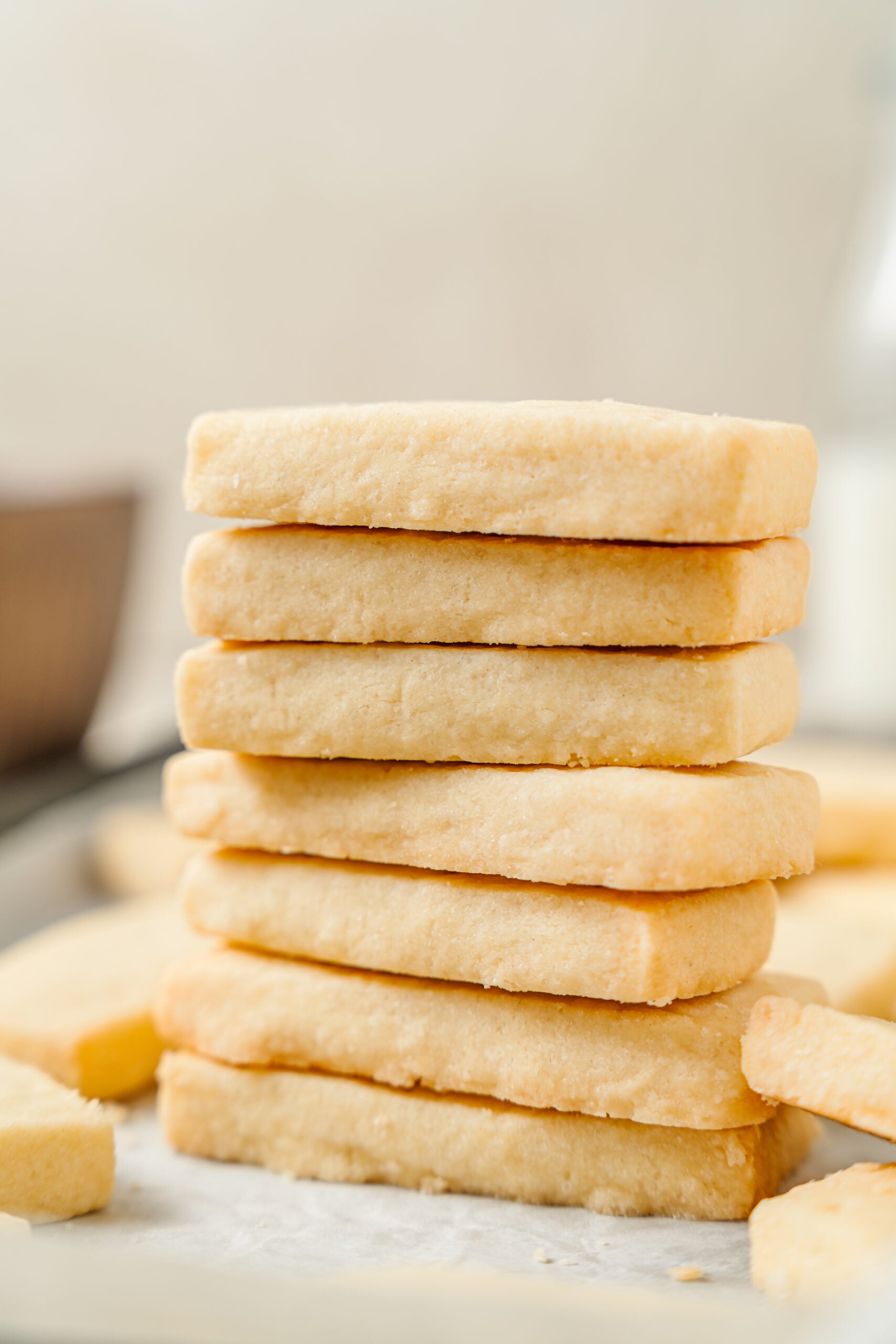
This shortbread cookies recipe runs on five ingredients and one rule: keep the butter cool and the oven low, and you get a clean snap and a sandy, buttery crumb instead of a dry biscuit.
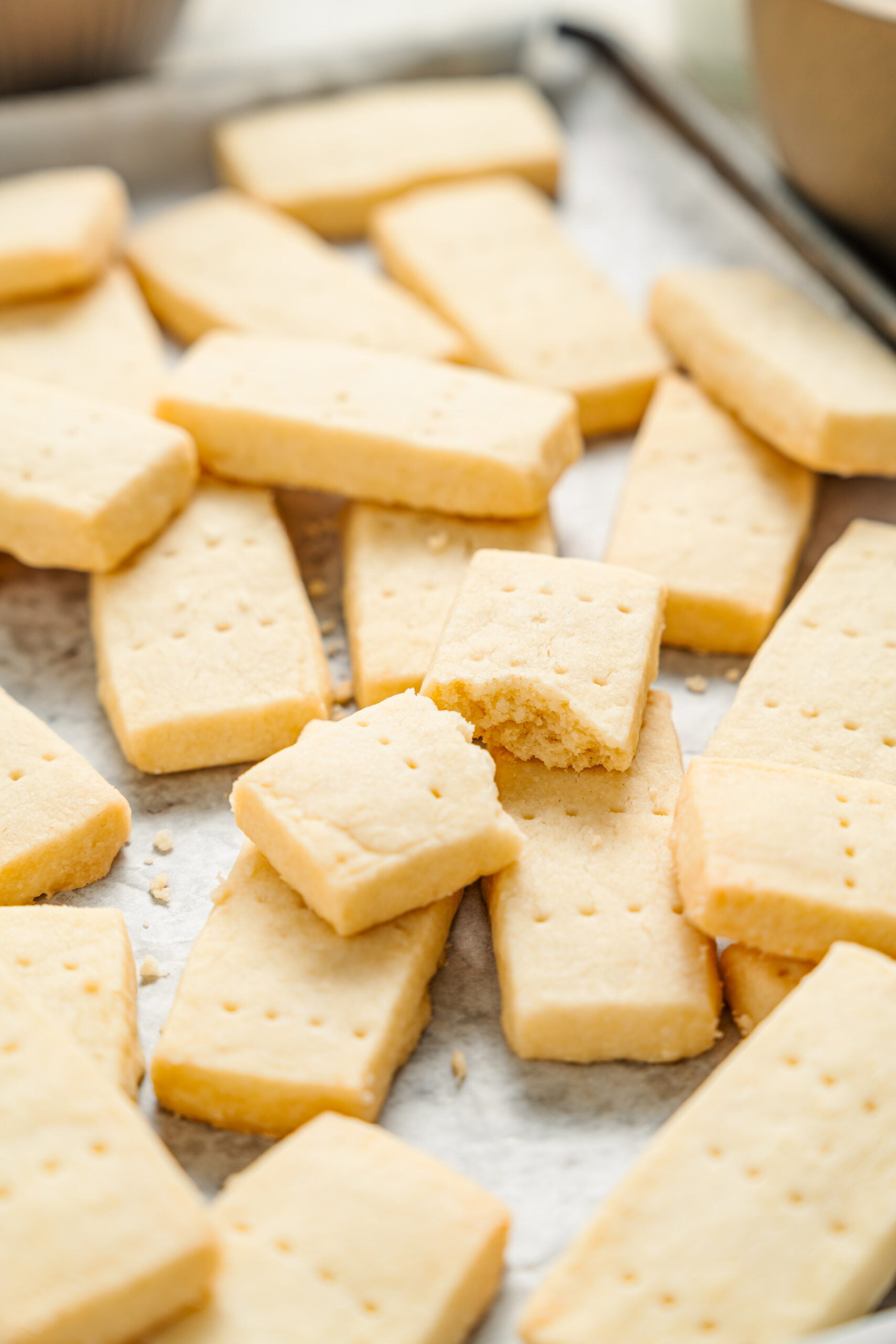
Shortbread is the plainest cookie on the Christmas tray and the easiest one to get wrong. There is nowhere to hide in it. No chocolate, no spice, no icing, just butter, sugar and flour held together by technique. Done properly it breaks with a clean snap and then dissolves into something sandy and rich on your tongue.
The version here is the classic Scottish style baked as fingers, with a little cornstarch in the flour to soften the crumb and a sprinkle of sugar across the top for crunch. It is fifteen minutes of real work, thirty minutes of chilling and about twenty minutes in a low oven. The same dough stamps into rounds or presses into a slab, so one recipe covers almost any shortbread you would want in the tin next to your Christmas sugar cookies.
What makes shortbread cookies short
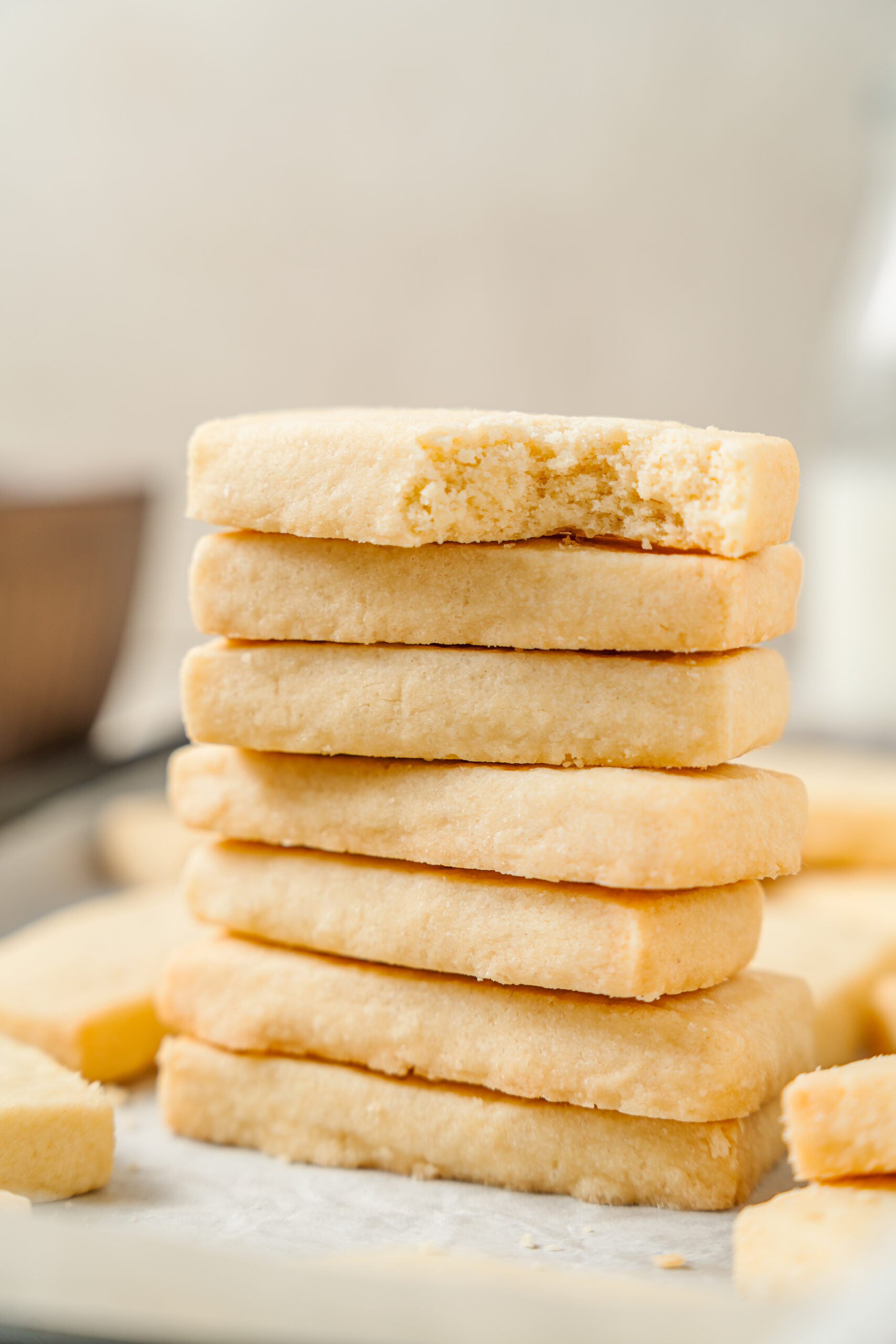
Short is an old baking word for fat, and it explains the whole cookie. Butter coats the flour proteins so they cannot link up into gluten, and with no gluten network there is nothing elastic in the baked cookie to stretch. It simply fractures. That is why shortbread snaps cleanly and then falls apart into sand, while a chewy cookie bends first.
The cornstarch attacks the same problem from the other side. Trading 40 g of the flour for cornstarch lowers the overall protein, so there is even less available to build structure with, and the result is that melt in the mouth texture people recognise instantly. Rice flour does the identical job in the same quantity. You can leave both out and use plain flour alone, but the crumb comes out firmer and more biscuit like, closer to my Chinese almond cookies.
Butter temperature decides everything else
Almost every shortbread complaint traces back to the butter. The window you want is around 18C, roughly 65F: cool to the touch, bendable, never shiny. Press a cube and it should give slightly and hold a dull dent. If it glistens or your finger sinks straight through, it is too warm.
Warm butter is already part melted, so it moves through the flour as grease rather than coating it evenly. The dough turns soft and tacky, the fingers spread into blobs on the tray and the cookies bake up tough. This is the opposite of what you want from browned or melted butter, which is the whole point of my salted brown butter chocolate chip cookies. If the kitchen is warm, cube the butter straight from the fridge and give it twenty minutes rather than leaving a whole block out for an hour.
How long you beat it matters just as much. A minute on low is plenty. You are looking for the sugar to disappear into the butter and the mixture to turn creamy, not pale and fluffy. Fluffy means air, air means lift, and shortbread that lifts goes domed and faintly cakey.
Shortbread cookie ingredients
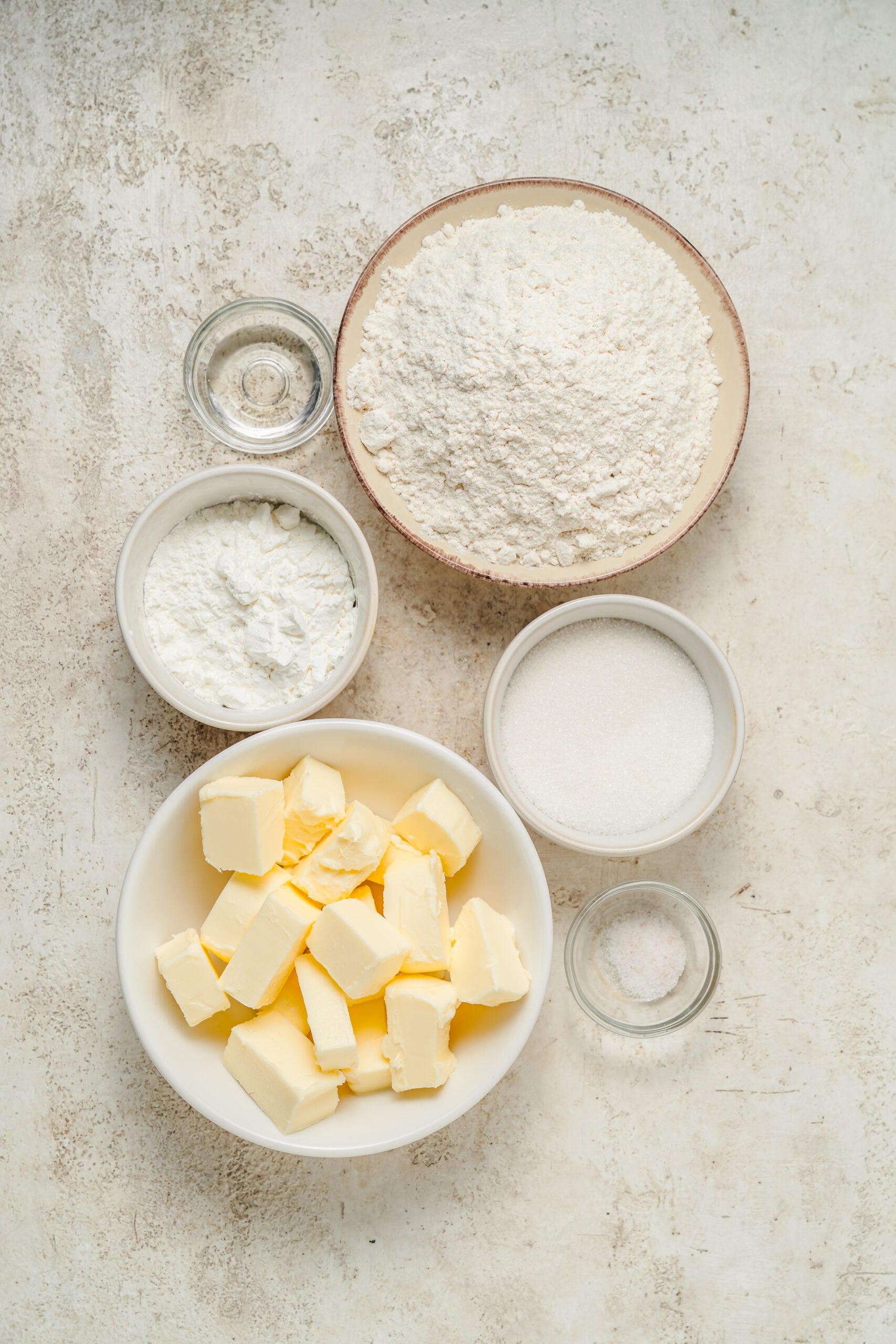
For the dough
- Unsalted butter: the flavour and the entire texture. Use a block butter you would happily eat on toast, because at this ratio there is nothing to hide behind. Unsalted lets you set the salt level yourself.
- Granulated sugar: sweetens and, just as importantly, stays slightly gritty, which is what gives good shortbread its faint sandy bite. The extra two tablespoons go on top before baking for a thin crunchy crust.
- Vanilla extract: one teaspoon, and it reads clearly because there is nothing competing with it. Real extract is worth it here more than in a chocolate cookie.
- Fine sea salt: half a teaspoon lifts the butter out of flatness. Shortbread without salt tastes oddly muted no matter how good the butter is.
- All purpose flour: the structure, and the only thing holding the fat together. Spoon it into the cup and level it, or weigh it, because packed flour is the fastest route to a dry cookie.
- Cornstarch: lowers the protein across the whole mix and softens the crumb into that short, powdery break. Forty grams is the sweet spot, and more than that turns the cookie chalky.
Swaps that still work
- Rice flour for the cornstarch: swap it weight for weight. It is the traditional Scottish choice and gives a very slightly grainier, sandier break, which some people prefer.
- Caster sugar for granulated: dissolves more readily and gives a smoother, more uniform crumb. You lose a little of the sandy bite, so keep granulated for the topping.
- Salted butter: perfectly fine, just drop the added salt to a quarter teaspoon and taste the dough before it goes into the fridge.
- A flavour addition: a tablespoon of finely ground toasted sesame, matcha or citrus zest folded in with the flour works, though at that point you are heading toward something like my black sesame cookies rather than classic shortbread.
How to make shortbread cookies
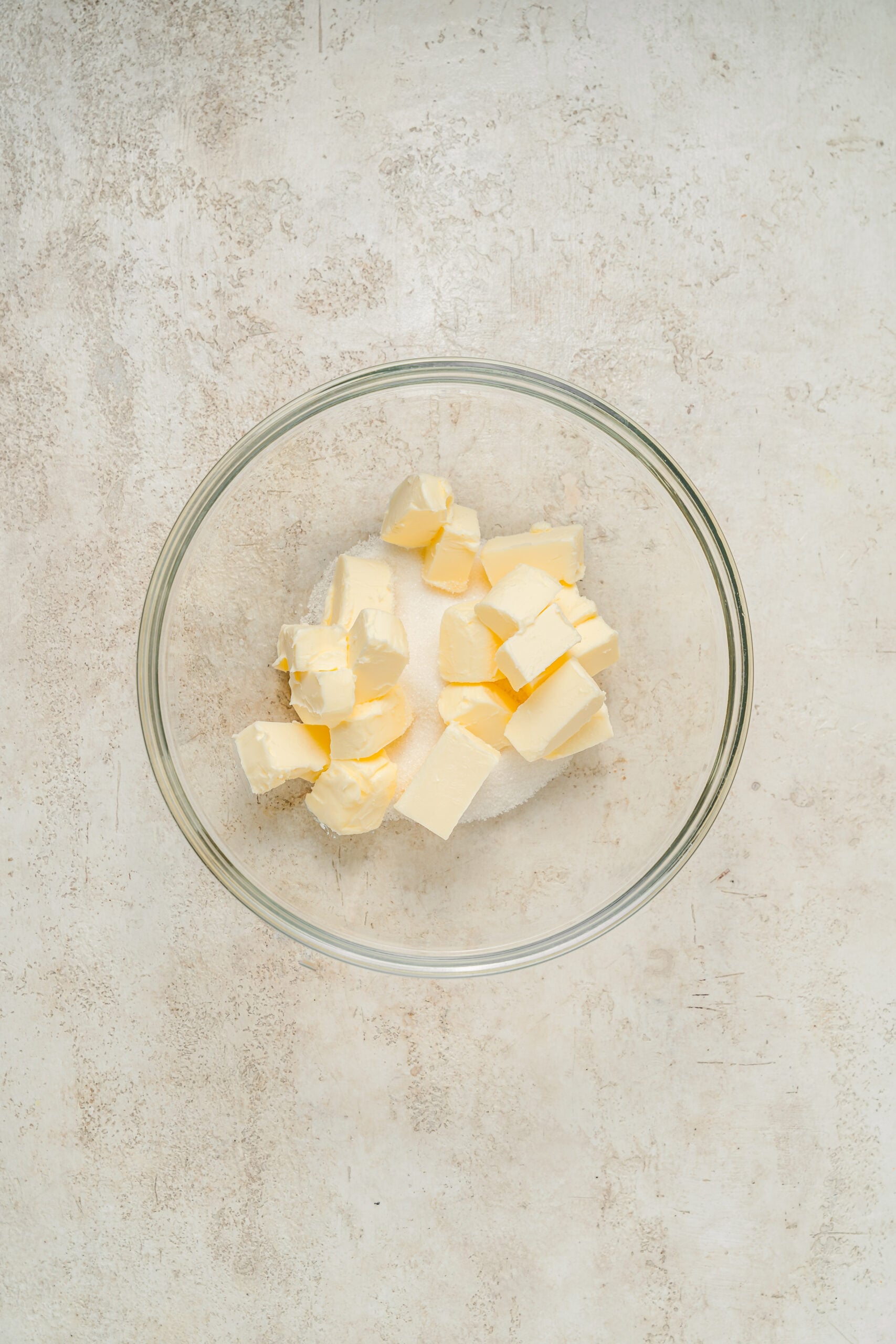
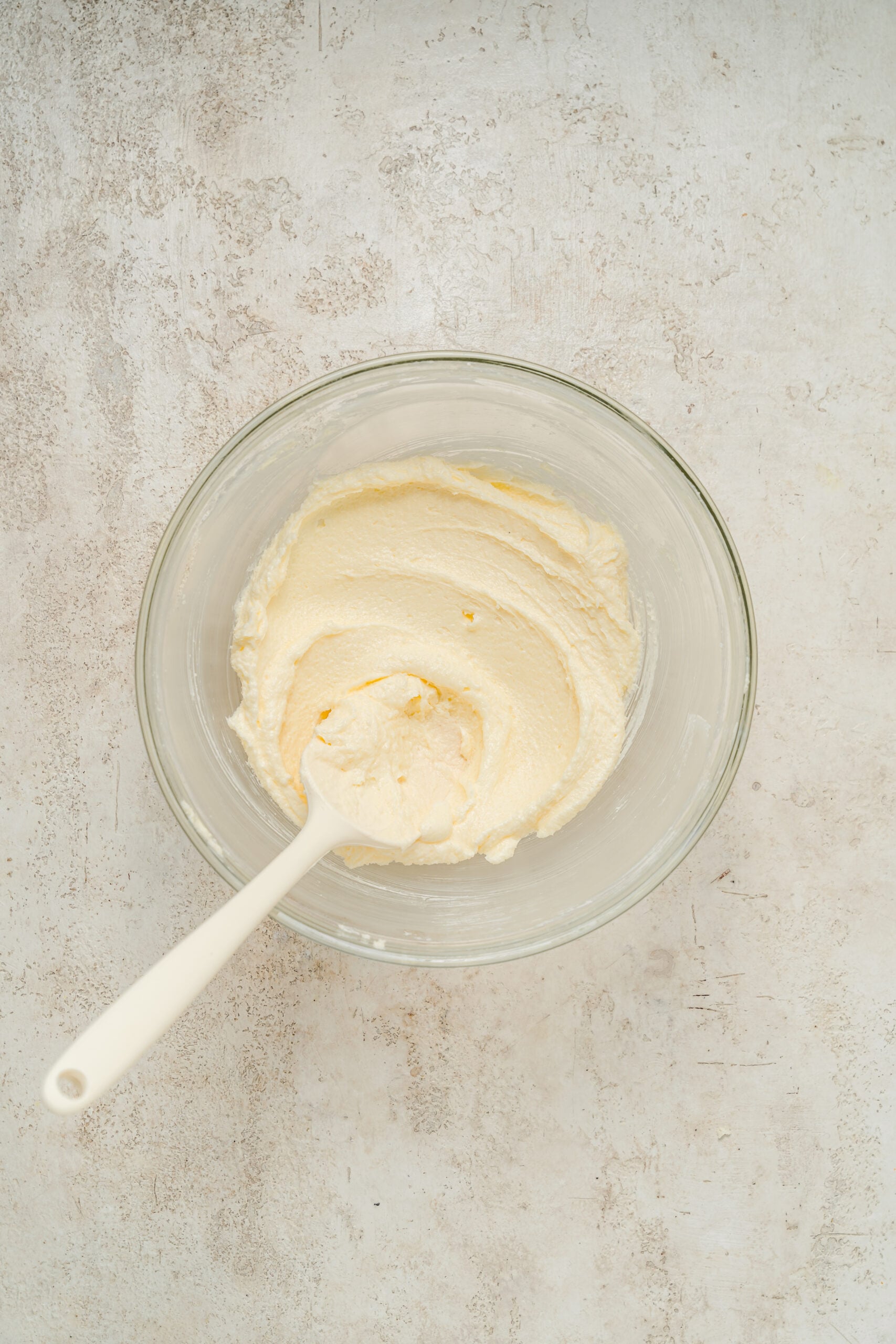
- Put the butter and sugar in a large bowl and beat on low with a hand mixer, or work them together with a wooden spoon, for about a minute. Stop as soon as the sugar has disappeared into the butter and the mixture looks creamy.
- Beat in the vanilla and the salt.
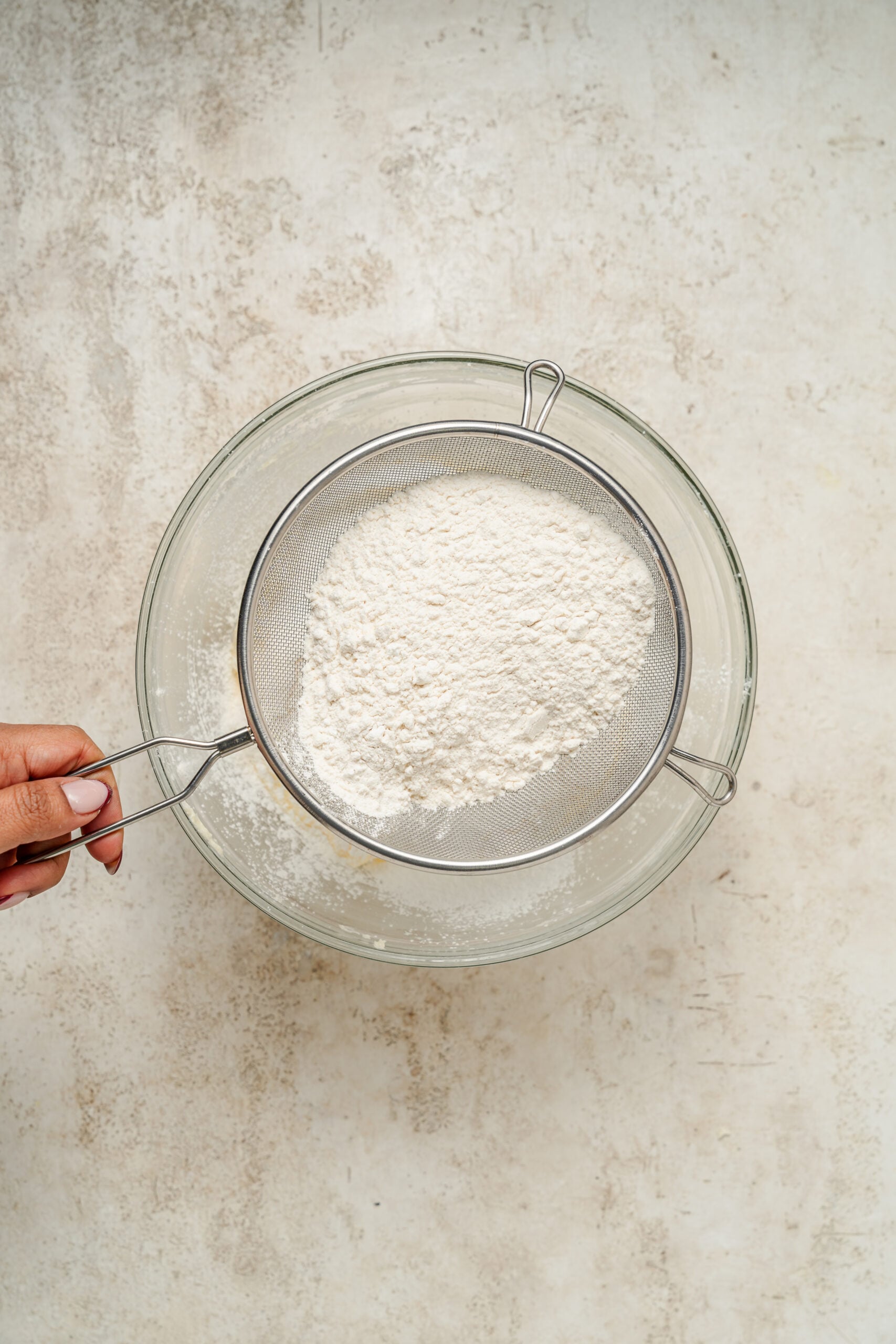
- Sift the flour and cornstarch straight over the butter so there are no lumps of either sitting in the dough.
- Mix on low, or fold with a spatula, until no dry flour is visible and the bowl holds coarse, clumpy crumbs.
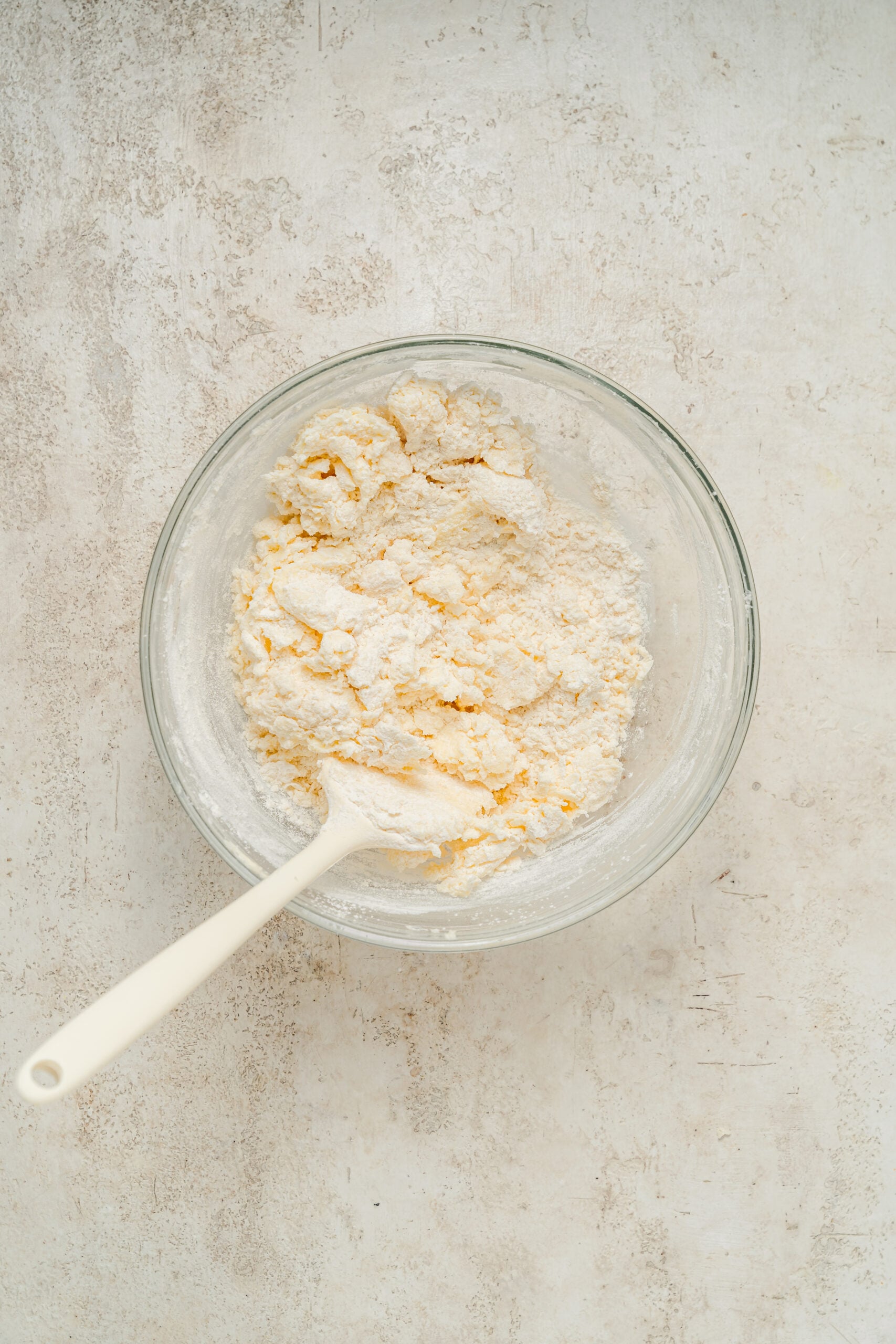
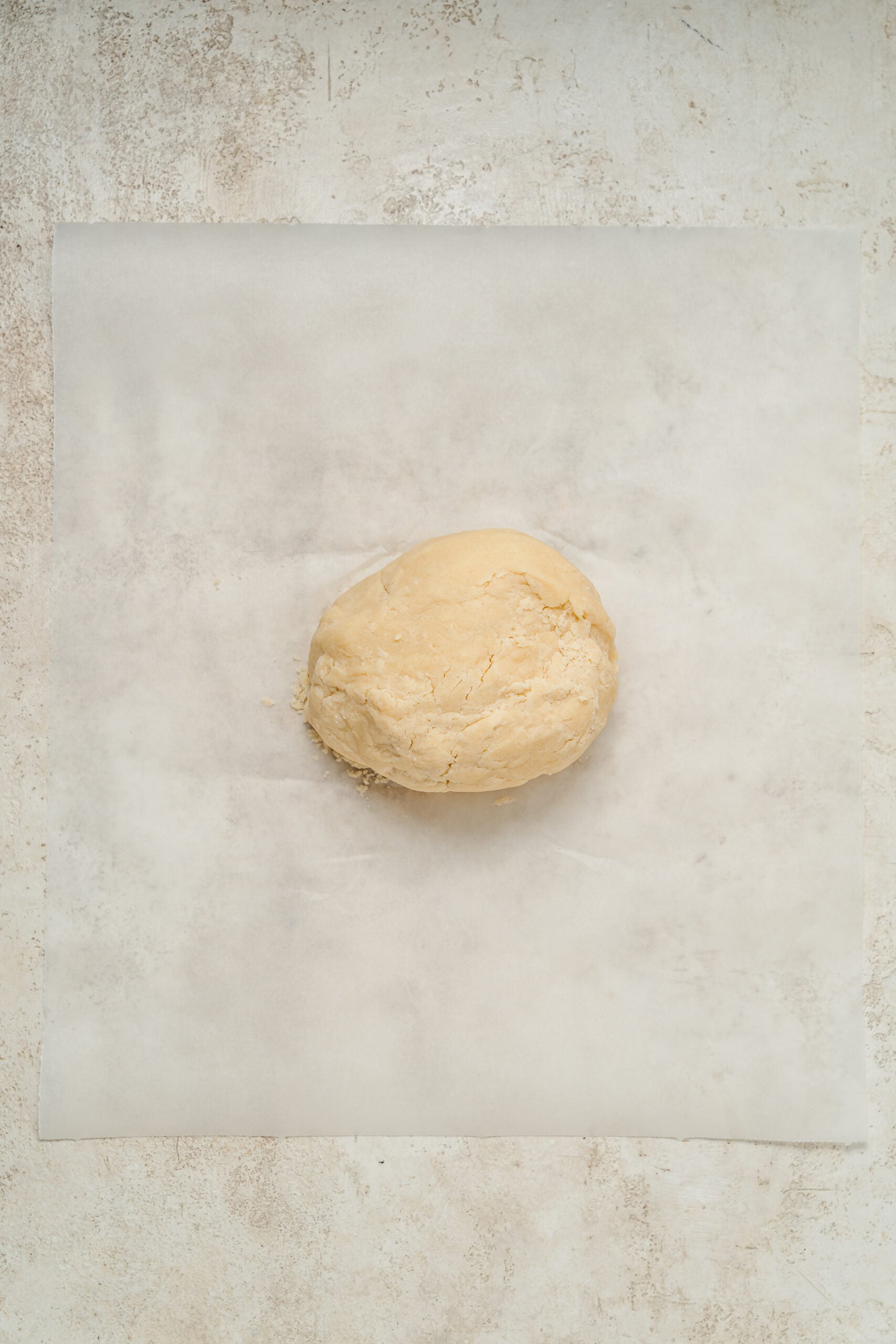
- Press the crumbs together with your hands into one smooth mass. Stop the moment it holds, because the warmth of your hands is doing the work and more of it makes the dough greasy.
- Put the dough between two sheets of baking paper and roll it to an even 1 cm, about 3/8 inch, roughly a 20 by 25 cm rectangle. Slide it onto a tray in its paper and chill for 30 minutes.
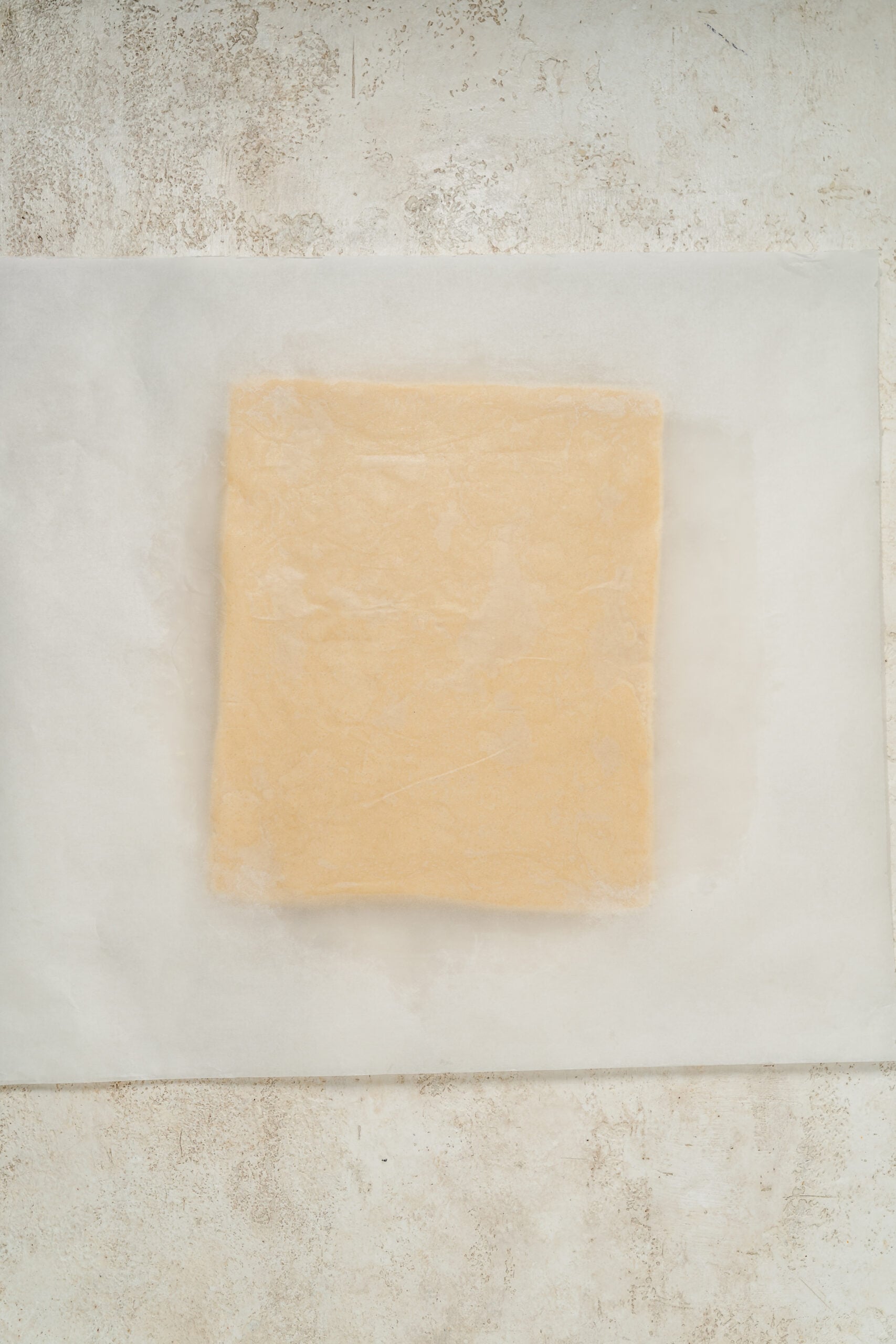
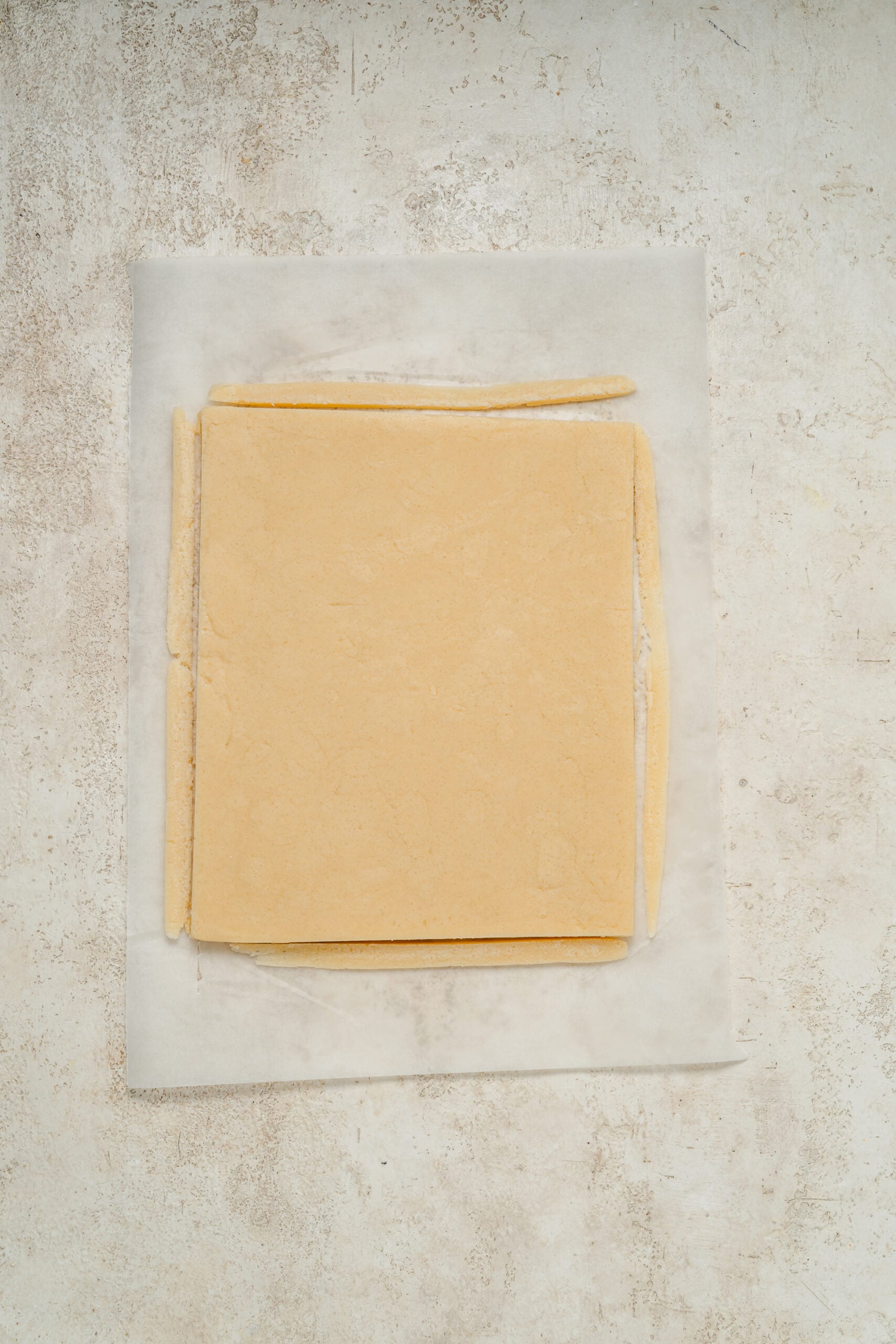
- Heat the oven to 160C, 325F, and line two baking trays. Peel the top sheet of paper off the chilled dough and trim the ragged edges square.
- Cut the slab into fingers about 2.5 by 6 cm, roughly 1 by 2 1/2 inches. Press the trimmings together and re roll them once.
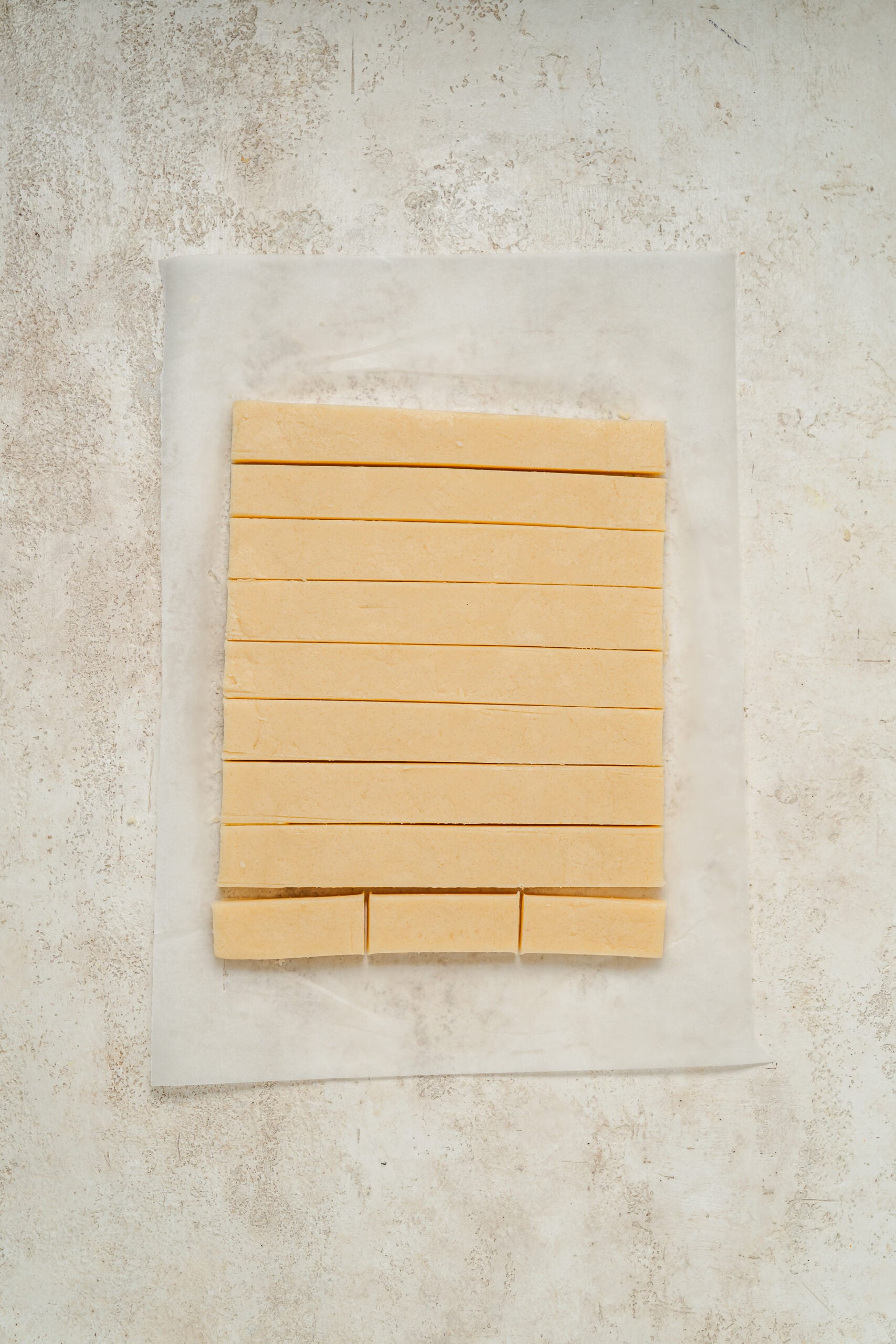
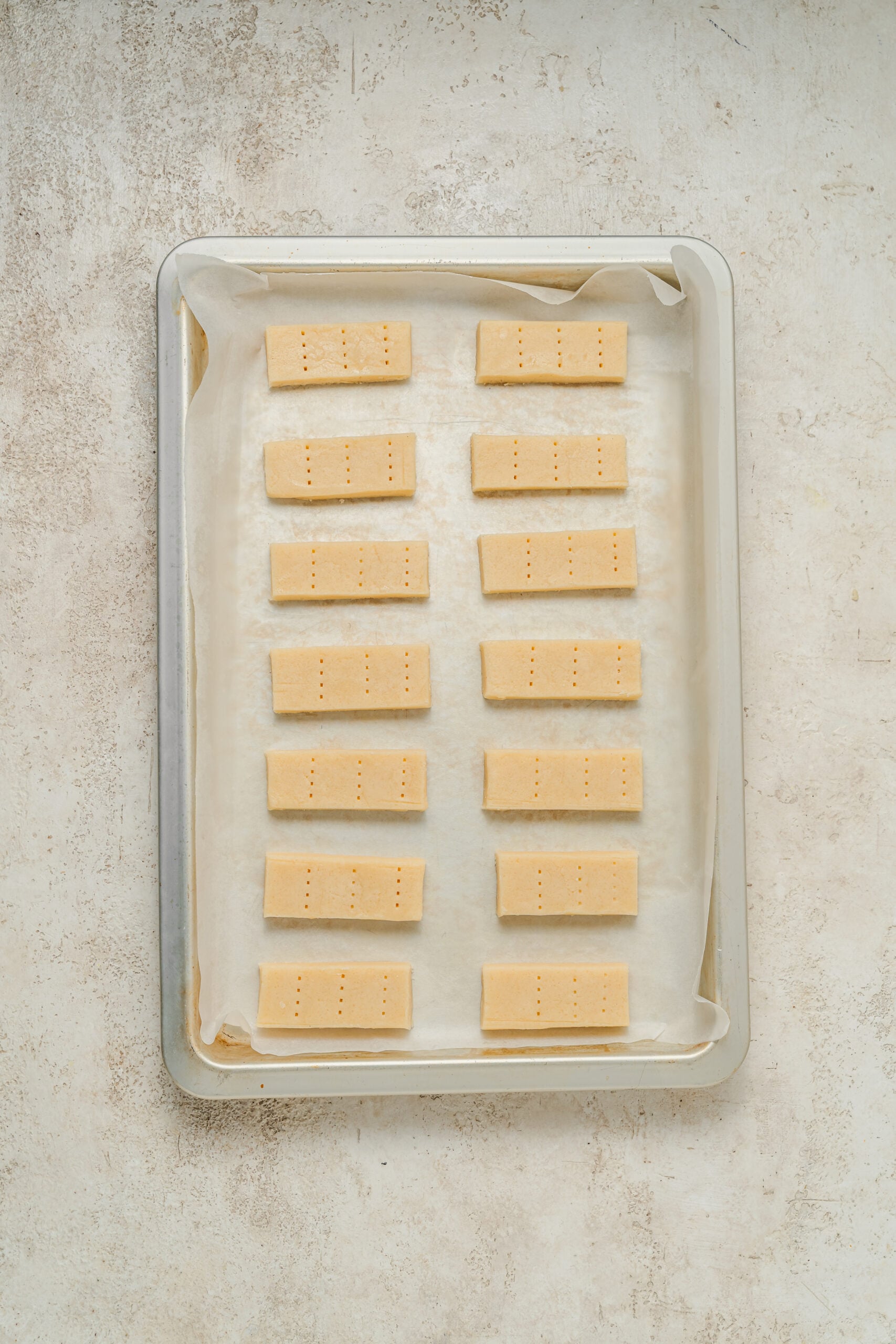
- Space the fingers about 2 cm apart on the lined trays, prick each one three times down the middle with a fork, and sprinkle the tops with the extra sugar.
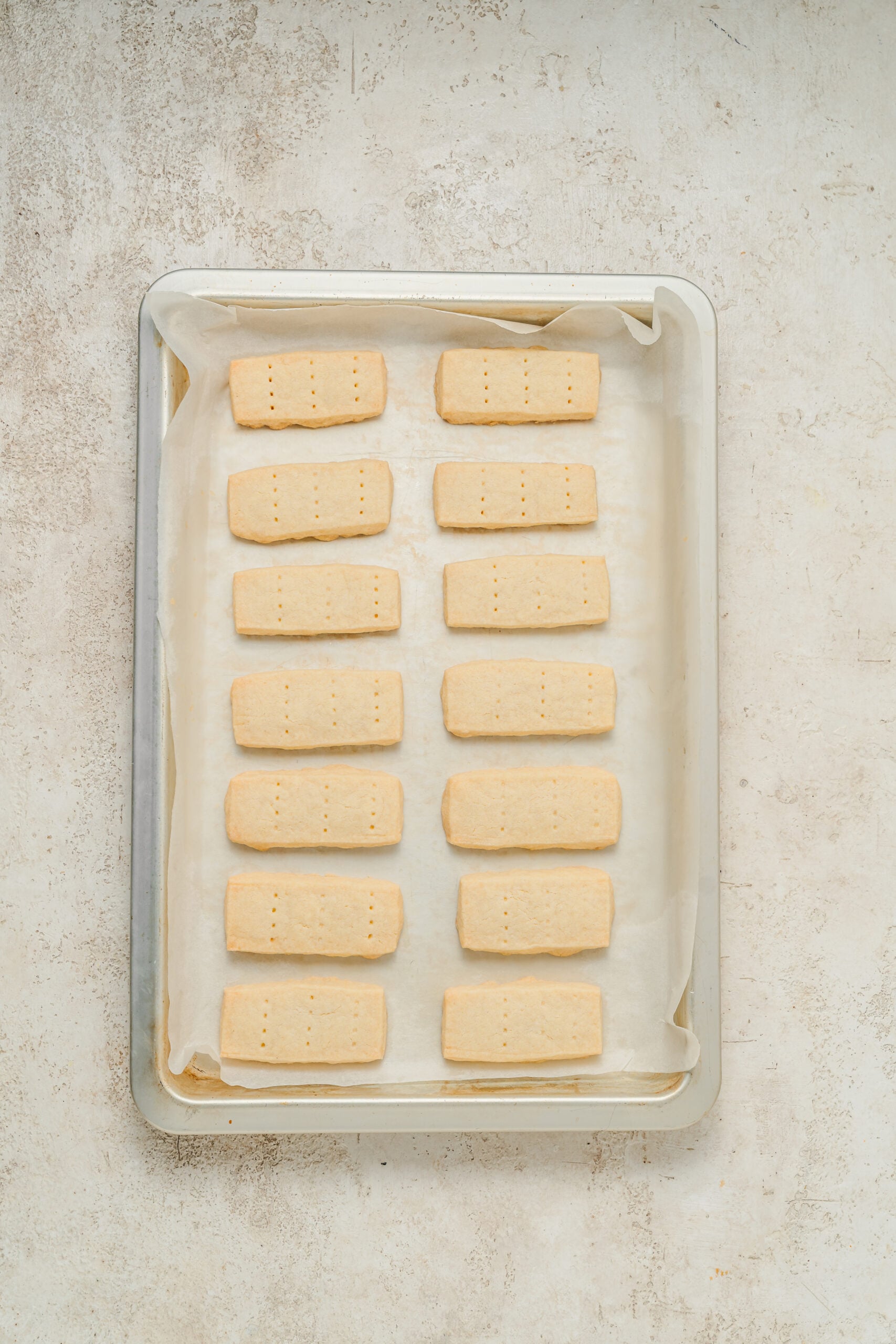
- Bake for 18 to 22 minutes, rotating the trays halfway, until the cookies are set and matte on top with only the faintest gold at the very edge. Leave them on the tray for 10 minutes, then move them to a wire rack to cool completely.
Pale is done, gold is overbaked
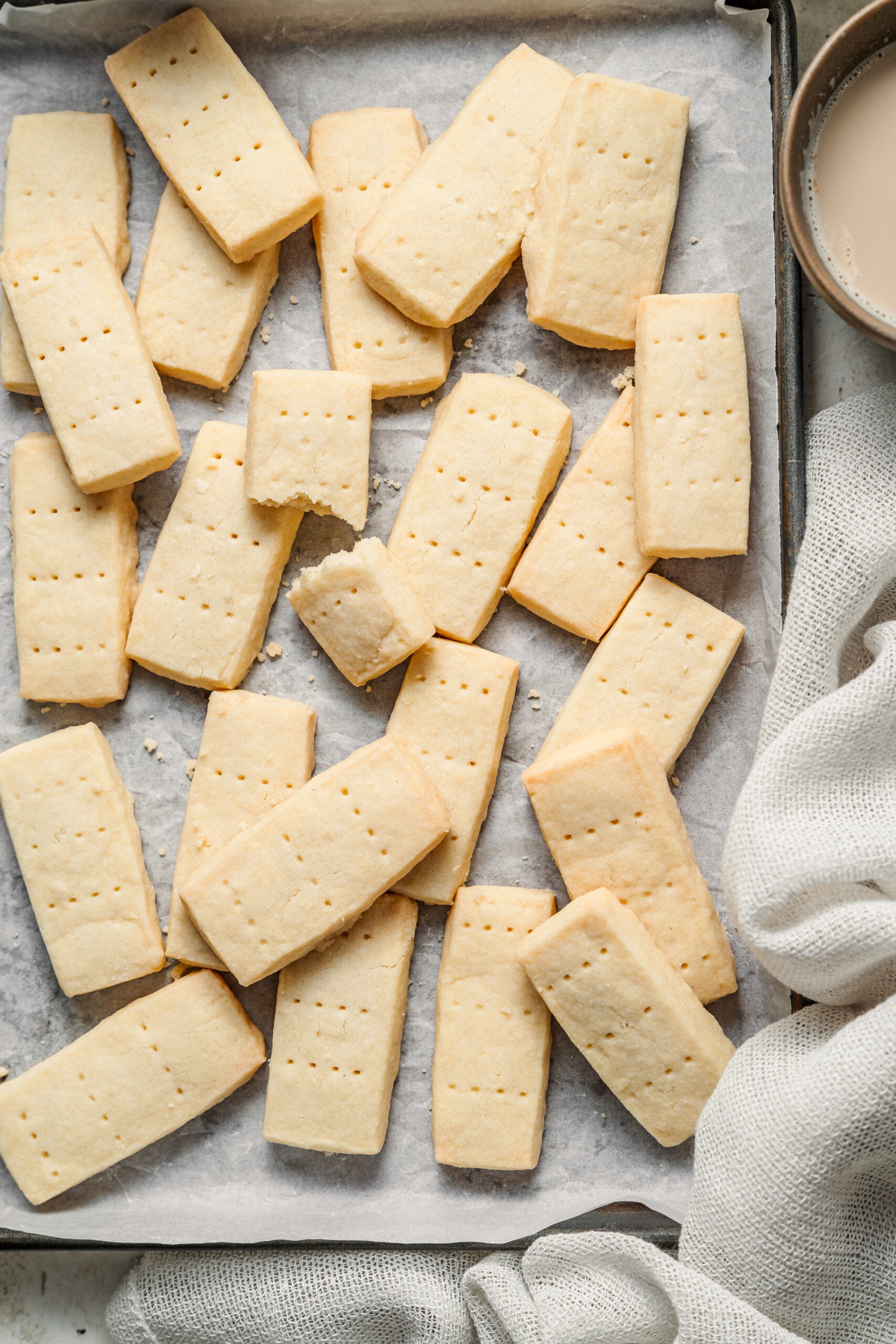
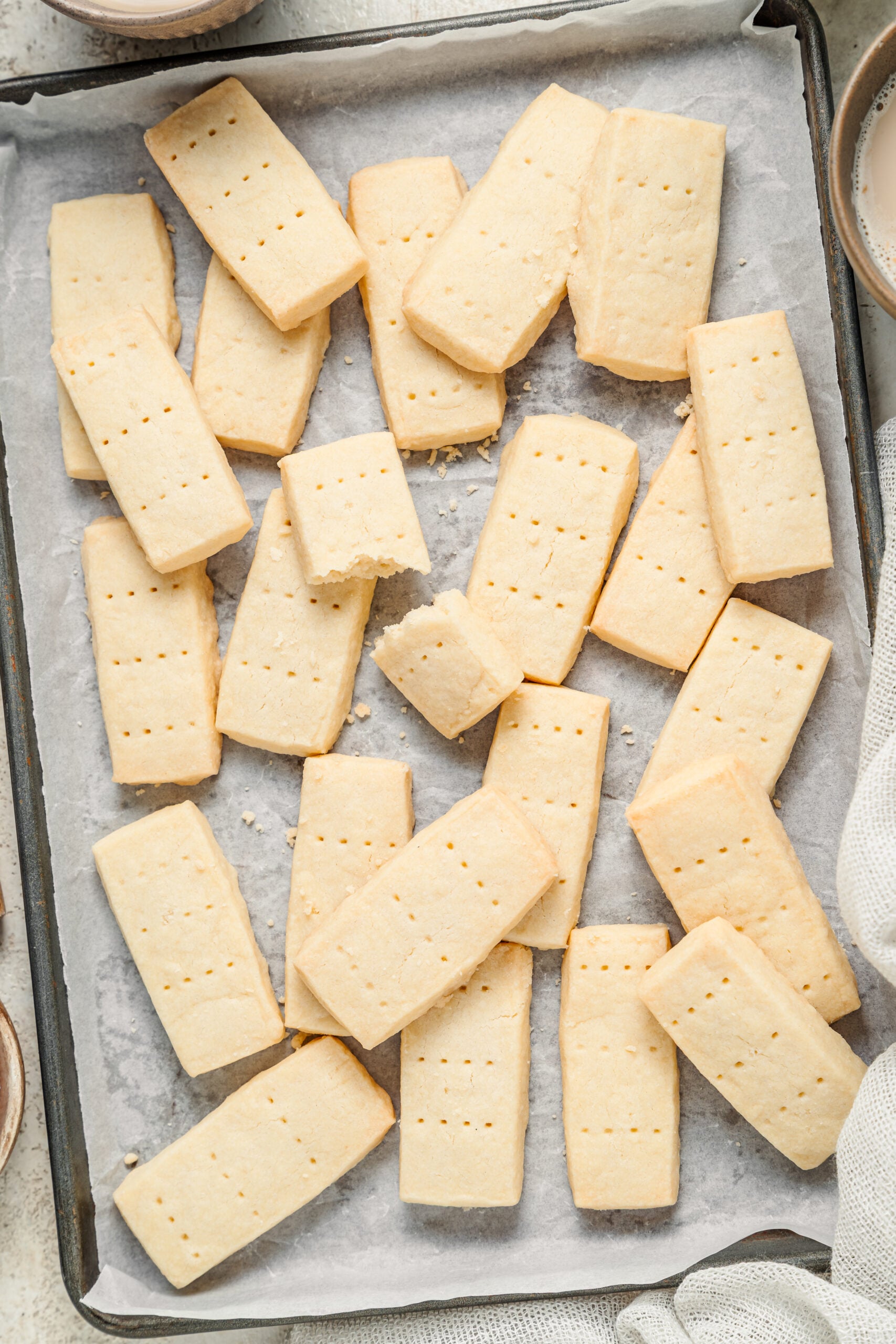
Shortbread gives you almost no colour signal, which is exactly why it gets overbaked. The top should stay matte and pale for the entire bake, and the only colour you want anywhere is a thin blush right at the cut edge of each finger. If the tops are turning golden, they went too far.
The reliable test is firmness rather than colour. At 18 minutes the cookies should look dry and set rather than wet and glossy, and the surface should no longer dent when you touch it lightly. They will still feel soft in the middle, and that is correct. Shortbread crisps as it cools, so pulling it while it feels slightly underdone is the right instinct.
Brown shortbread is not simply darker shortbread. The sugar and the butter solids start to caramelise and the cookie turns dry and faintly bitter, which is a very different thing from the clean buttery flavour you were aiming at.
Rounds, slabs and other shapes from the same dough
Stamped rounds
Roll to the same 1 cm thickness and stamp with a 5 cm, 2 inch, cutter for about 28 cookies. Chill the stamped rounds on the tray for ten minutes before baking so they hold their edges, and keep the bake time the same. This is the shape to use if you want to sandwich them with jam later, the same way my cherry thumbprint cookies hold theirs.
A pressed slab
Press the dough straight into a lined 20 cm, 8 inch, square tin instead of rolling it. Dock it all over with a fork, score it into 16 bars before it goes in, and bake for 35 to 40 minutes at the same temperature. Cut along the score lines while the slab is still warm, because it shatters unpredictably once it is cold.
Petticoat tails
Press the dough into a lined 20 cm round tin, crimp the edge with your fingers, dock it and score it into 12 wedges before baking. Bake for 35 to 40 minutes and cut the wedges warm. It is the same dough and the same oven, just the traditional round presentation.
Keeping shortbread and getting ahead of Christmas
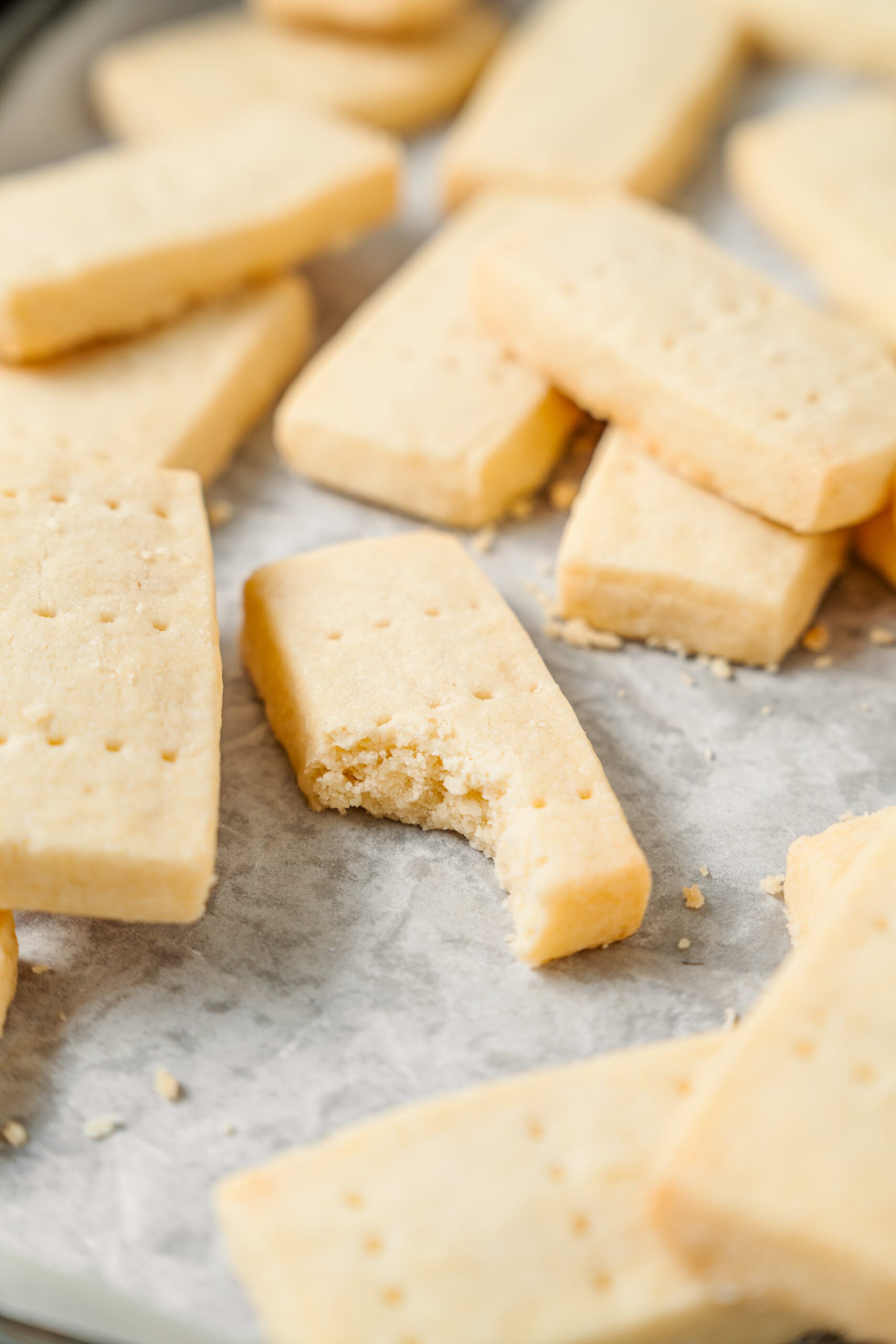
Baked shortbread keeps in an airtight tin at room temperature for a week, and it is genuinely better on day two once the butter has settled and the crumb has firmed up. Keep it away from anything soft or spiced in the same tin, because shortbread is porous and will take on the flavour of whatever it is sitting next to.
The rolled dough keeps in the fridge for three days, wrapped in its paper. For longer, cut the fingers first, freeze them flat on a tray until solid, then bag them and bake straight from frozen with two extra minutes. That makes shortbread one of the easiest things to prepare weeks ahead of a cookie tin, alongside something that holds as well as my gingerbread latte cookies.
Frequently Asked Questions
Why did my shortbread cookies spread into blobs?
Almost always the butter was too warm, or the dough went into the oven without its full chill. Shortbread has no egg and no leavening holding it in shape, so the only thing stopping it slumping is cold, firm fat. Chill the cut fingers for a further ten minutes on the tray and bake them straight from the fridge.
Can I make shortbread cookies without cornstarch?
Yes. Replace the 40 g of cornstarch with the same weight of all purpose flour, or use rice flour instead, which is the traditional Scottish choice. Without either one the cookie is firmer and more biscuit like rather than melt in the mouth, which some people actually prefer. The bake time does not change.
How do I know when shortbread is done if it stays pale?
Go by firmness rather than colour. At 18 to 22 minutes the surface should look dry and matte instead of wet and glossy, and it should not dent when you touch it lightly. The centres will still feel soft, which is correct, because shortbread crisps as it cools on the tray.
Can I freeze shortbread dough?
It freezes very well, and this is the easiest way to get ahead of a Christmas tin. Cut the fingers first, freeze them flat on a tray until solid, then transfer them to a bag for up to three months. Bake straight from frozen at the same temperature with two extra minutes.
Why does my shortbread crumble when I try to cut it?
The dough was either over mixed, which breaks the fat coating down, or slightly too dry. Press it back together using the warmth of your hands rather than adding liquid, because water develops gluten and turns the cookies tough. If a baked slab is shattering, you left it too long, so cut along the score lines while it is still warm.
What is the difference between shortbread and a sugar cookie?
Ratio and eggs. Shortbread is roughly one part sugar to two parts butter to three parts flour with no egg at all, which is why it is sandy and fractures cleanly. A sugar cookie contains egg and more sugar, so it is sturdier, sweeter and holds a sharp cut out shape for decorating.
Let’s Get Cooking
If you liked this recipe make sure to leave me a comment and rating down below. I’d love to know how it went! Also, don’t forget to tag me on Instagram @catherine.desserts.
Follow me on Facebook, Pinterest, YouTube, and TikTok for more of my baking creations and updates!
Classic Shortbread Cookies
Classic shortbread cookies with a clean snap and a sandy, buttery crumb. Five ingredients, cool butter and a low oven, baked as traditional fingers.
- Prep Time: 15 minutes
- Chill Time: 30 minutes
- Cook Time: 20 minutes
- Total Time: 1 hour 5 minutes
- Yield: About 24 fingers 1x
- Category: Cookies
- Method: Baking
- Cuisine: Scottish
Ingredients
Shortbread
- 225 g (1 cup, 2 sticks) unsalted butter, at cool room temperature
- 100 g (1/2 cup) granulated sugar, plus 2 tablespoons for sprinkling
- 1 teaspoon vanilla extract
- 1/2 teaspoon fine sea salt
- 280 g (2 1/4 cups) all purpose flour
- 40 g (1/3 cup) cornstarch
Instructions
- Put the butter and sugar in a large bowl and beat with a hand mixer on low, or a wooden spoon, for about 1 minute, until just combined and creamy. Do not whip it light and fluffy. Shortbread wants as little air as possible, which is what gives it that dense, sandy snap.
- Beat in the vanilla and salt.
- Sift the flour and cornstarch over the butter and mix on low, or fold with a spatula, until no dry flour is visible and the mixture looks like coarse, clumpy crumbs. Press the crumbs together with your hands into one smooth mass. Stop as soon as it holds together.
- Place the dough between two sheets of baking paper and roll to an even 1 cm (3/8 inch) thickness, roughly a 20 x 25 cm (8 x 10 inch) rectangle. Slide it onto a tray, still in the paper, and chill for 30 minutes until firm.
- Preheat the oven to 160C (325F). Line two baking trays with baking paper.
- Trim the edges of the chilled dough and cut it into fingers about 2.5 x 6 cm (1 x 2 1/2 inches). Re roll the trimmings once. Space the fingers 2 cm apart on the trays, prick each one three times down the middle with a fork, and sprinkle the tops with the extra sugar.
- Bake for 18 to 22 minutes, until the cookies are set, matte on top and only the faintest gold at the edges. They should still look pale. Rotate the trays halfway.
- Leave on the trays for 10 minutes, then move to a wire rack to cool completely. They crisp as they cool.
Notes
- Butter temperature is everything. Butter that is too warm makes a greasy dough that spreads and bakes tough. Aim for about 18C (65F): cool to the touch, bendable, never shiny. If the kitchen is warm, cut the butter into cubes straight from the fridge and let it sit 20 minutes.
- Why cornstarch: it lowers the protein in the flour, which is what gives the melt in the mouth texture. Rice flour does the same job in the same quantity.
- Do not skip the chill. Cold dough holds its edges and keeps the fork marks crisp. Warm dough spreads into blobs.
- Pale is correct. Shortbread is done when it is set and matte, not golden. Brown shortbread tastes bitter and dry. Pull it before you think it is ready.
- Shapes: for rounds, roll the same thickness and stamp with a 5 cm (2 inch) cutter, about 28 cookies. For a slab, press the dough into a lined 20 cm (8 inch) square tin, dock all over, score into 16 bars before baking, bake 35 to 40 minutes at the same temperature, then re cut the score lines while warm.
- Make ahead and storage: the rolled, chilled dough keeps in the fridge for 3 days and freezes for 3 months (cut the fingers first, freeze on a tray, bake from frozen with 2 extra minutes). Baked cookies keep in an airtight tin for 1 week, and they are better on day two.
- Troubleshooting: cookies spread, the butter was too soft or the dough was not chilled. Cookies crumble when cut, the dough was over mixed or too dry, so press it together with a little more hand warmth rather than adding liquid. Tough cookies, the butter and sugar were whipped too long and the flour was over worked.
Nutrition
- Serving Size: 1 finger