The only thing that really goes wrong with gingerbread cookies is that the shapes puff and spread, so this gingerbread cookies recipe is built around holding a sharp edge: very little bicarbonate of soda, a high flour ratio, and a second chill after cutting.
Almost nobody searching for a gingerbread cookies recipe is worried about flavour. They are worried about the gingerbread man coming out of the oven with no neck and fused legs. A rolled and cut cookie has to keep the outline you gave it, and most doughs are written for softness first and shape second.
This dough goes the other way. It is deliberately low in raising agent and generous with flour, it is rolled between parchment so no extra flour works its way in, and the cut shapes go back in the fridge for a quarter of an hour before they bake. The result is a cookie with clean edges and a deep even bronze colour, firm enough to ice and stack and post, and still soft in the middle if you pull it at nine minutes. If you want the same spice without the rolling and cutting, there are gingerbread latte cookies and gingerbread donuts already on the site.
Why cut out gingerbread loses its shape

Spreading is butter melting before the cookie has set. The fat in a cut shape liquefies in the first couple of minutes of baking, the dough slumps outwards under its own weight, and anything narrow such as an arm or a leg thickens and fuses into its neighbour. Raising agent makes it worse by pushing the dough up and out at the same time.
The low bicarbonate of soda ratio
There is only three quarters of a teaspoon of bicarbonate of soda for 420 g of flour here, which is noticeably less than most gingerbread recipes use. That is deliberate. A little lift keeps the cookie from being a cracker, but any more and the shapes dome and the outline softens. If you want a puffier, more cakey gingerbread, that is a different cookie.
The second chill is the step people skip
Chilling the dough before rolling is standard. Chilling the shapes again after cutting, for 15 minutes on the tray, is the one most recipes leave out, and it is what actually guarantees the edge. Cold cookies set in the oven before the butter has a chance to melt and pull the shape outwards. It costs you a quarter of an hour and it is the difference between a gingerbread man and a gingerbread blob.
Roll between parchment, not on a floured bench
Every time you dust the bench you work more flour into the dough, and by the second re roll the cookies have turned tough and dry. Rolling between two sheets of parchment adds nothing at all, keeps the thickness even, and lets you slide the whole sheet into the fridge if the dough softens while you work. Gather and re roll the scraps once only. The same approach is worth using for any cut out dough, including sugar cookies, which suffer from exactly the same problem.
Ingredients
Gingerbread dough
- Plain flour: all purpose flour, and there is a lot of it relative to the fat. That ratio is what holds the outline.
- Ground ginger: the lead spice, and the one worth buying fresh. Ground ginger fades badly in the cupboard and an old jar gives you a flat, dusty cookie.
- Ground cinnamon: rounds the ginger out and carries most of what people recognise as the smell of Christmas baking.
- Ground cloves and nutmeg: small amounts, doing a lot of work. Cloves in particular turn medicinal fast, so a quarter to half a teaspoon is the whole budget.
- Bicarbonate of soda: baking soda, kept low on purpose. It gives a little lift and reacts with the acidic molasses for colour and browning.
- Unsalted butter: softened, not melted. Creamed with the sugar it builds the structure that keeps the cookie tender rather than hard.
- Brown sugar: packed. The molasses already in it deepens both the colour and the flavour.
- Unsulphured molasses: or treacle. This is the flavour of the cookie and the reason it bakes to bronze rather than pale gold.
- Egg and vanilla: the egg binds a stiff dough together and the vanilla softens the edge of the spice.
- Fine salt: without it the spices read as sweet rather than warm.
Royal icing
- Icing sugar: sifted, every time. An unsifted lump will block a small piping nozzle at the worst possible moment.
- Meringue powder: or one large pasteurised egg white. This is what makes the icing set hard and matte so the cookies can be stacked and packed.
- Warm water: added a few drops at a time at the end. You want it thick enough to hold a piped line without it spreading out.
Substitutions worth knowing
- Treacle for molasses: works, and is slightly more bitter. Do not use blackstrap, it is harsh and overpowers the spice completely.
- Golden syrup: gives a much milder, paler cookie, but you lose the gingerbread character that people are actually after.
- Egg free icing: mix the icing sugar with 2 to 3 tbsp milk and a little lemon juice. It sets firm enough to stack, though not quite as hard as royal icing.
- A more grown up version: add a quarter teaspoon of ground black pepper or a pinch of cayenne with the spices.
Steps
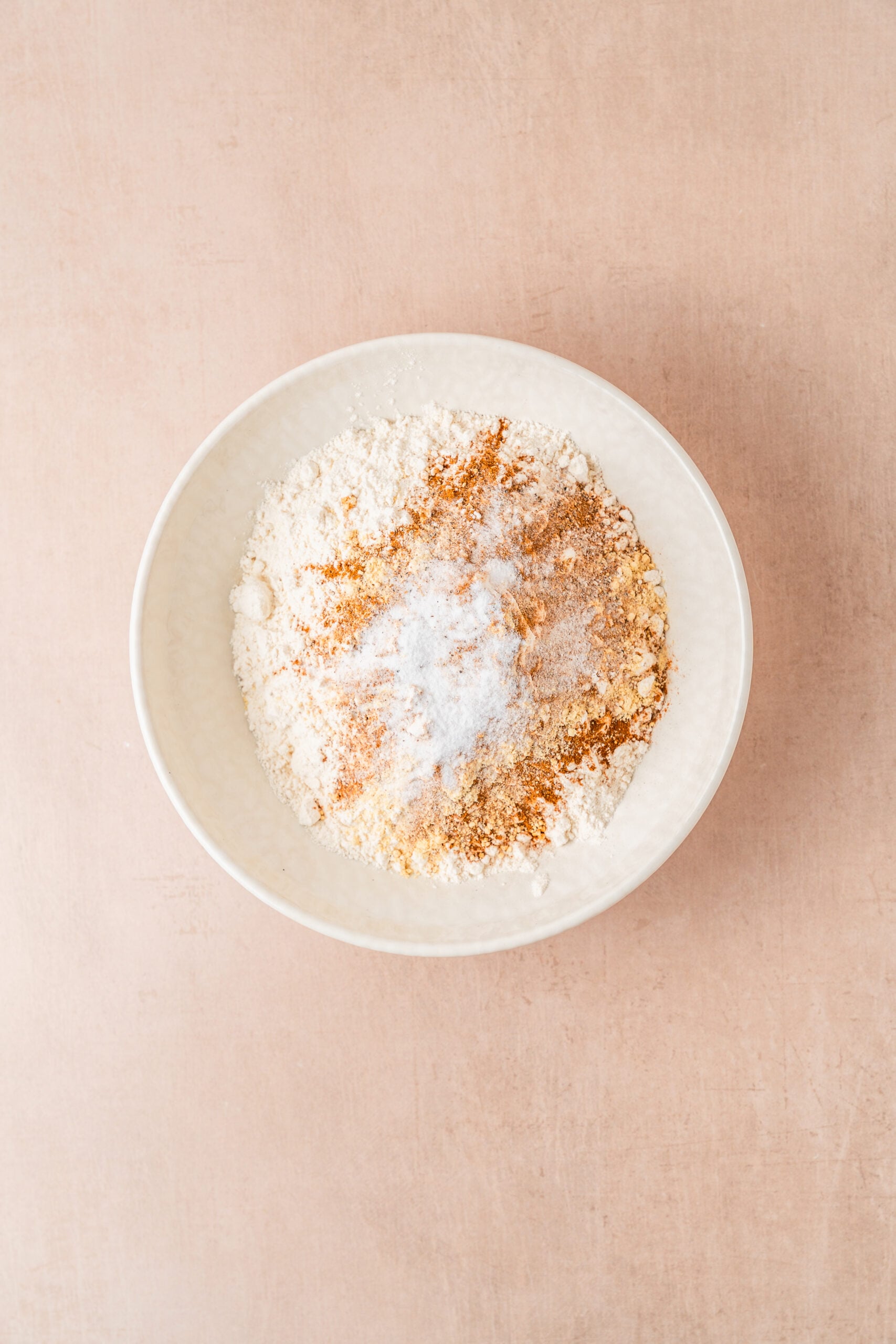
- Whisk the flour, ginger, cinnamon, cloves, nutmeg, bicarbonate of soda and salt together in a bowl and set aside. Note how little bicarbonate there is for this much flour. That is the main reason these keep a sharp edge.
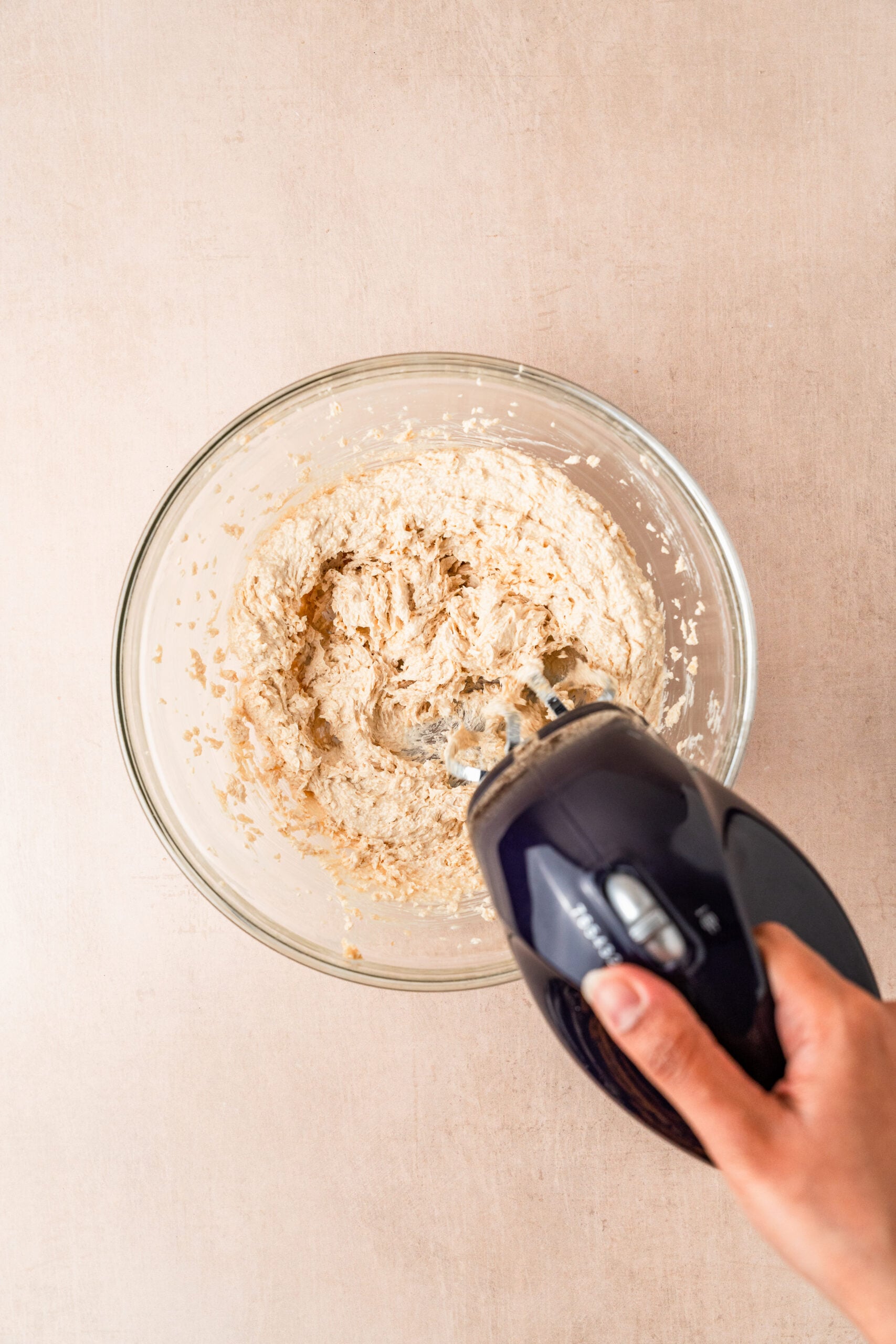
- Beat the softened butter and brown sugar together with an electric mixer on medium for 2 to 3 minutes, until lighter and fluffy.
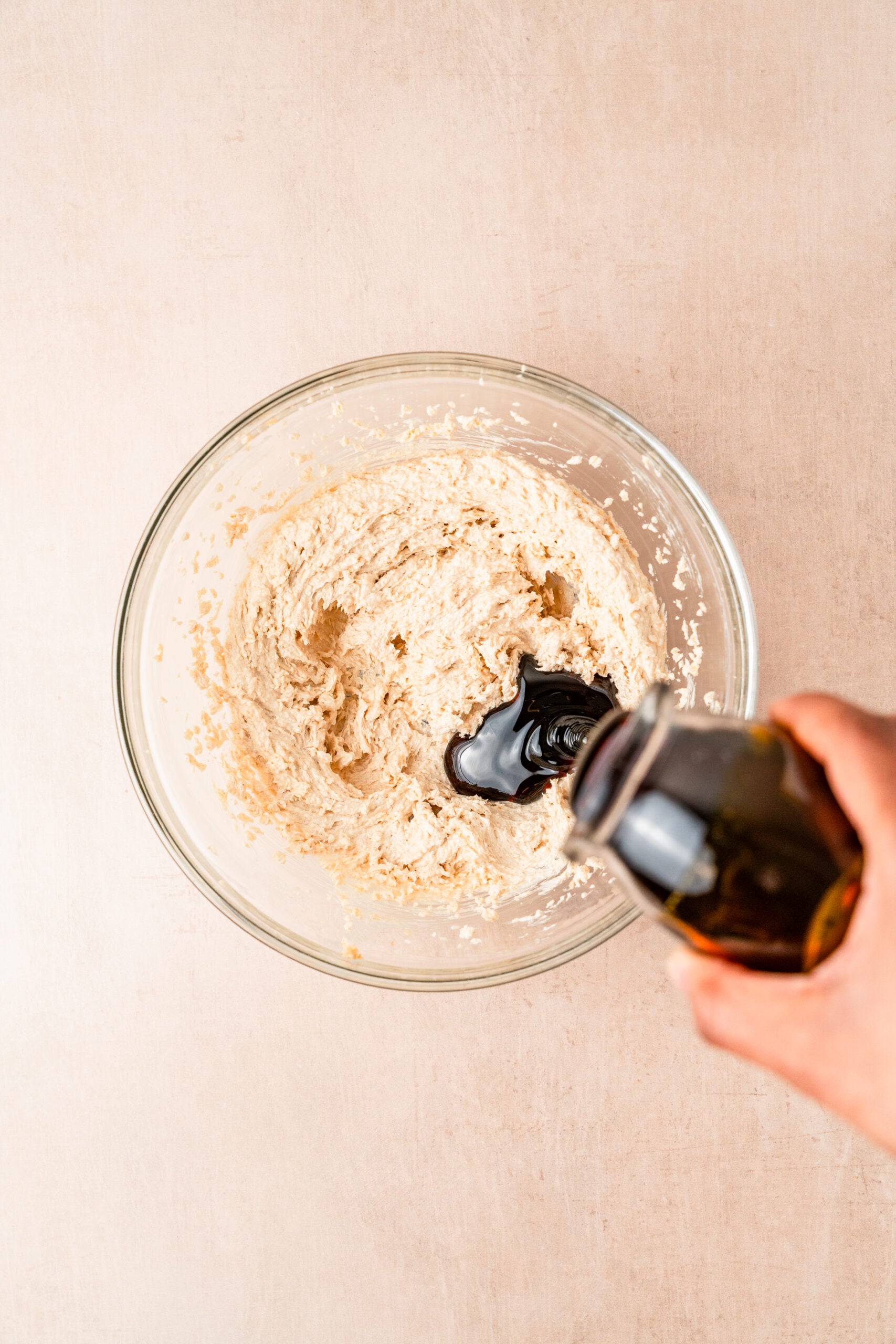
- Add the molasses, egg and vanilla and beat until combined. The mixture will look curdled and split at this point. That is normal and it comes back together once the flour goes in.
- Add the dry ingredients in two batches on low speed, mixing only until the last streaks of flour disappear. Overmixing here builds gluten and makes the cookies tough.
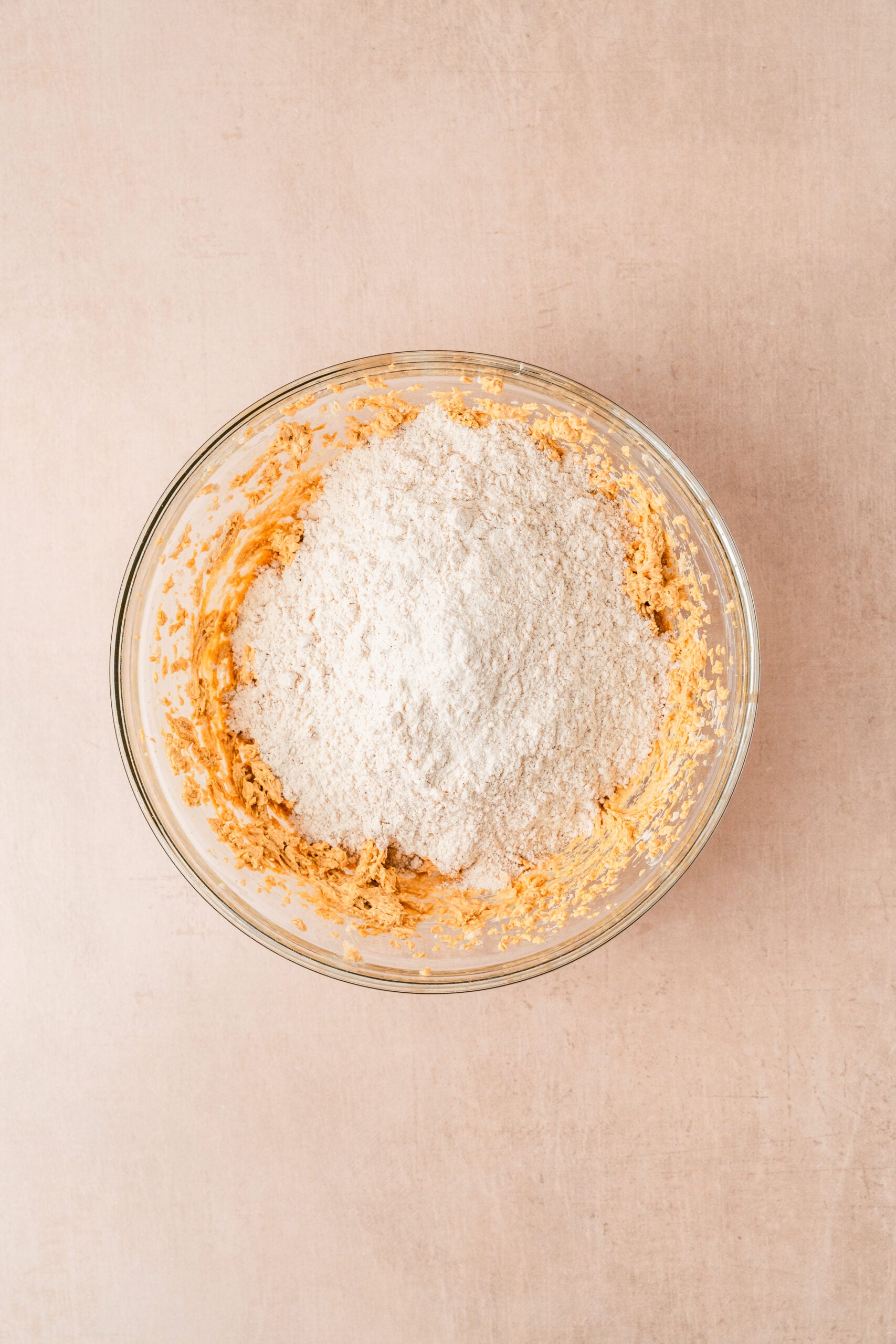
- Divide the dough in two, flatten each half into a thick disc, wrap and chill for at least 2 hours or overnight. The dough is sticky before chilling and firm and workable after it.
- Heat the oven to 175 C (350 F) and line three baking trays with parchment.
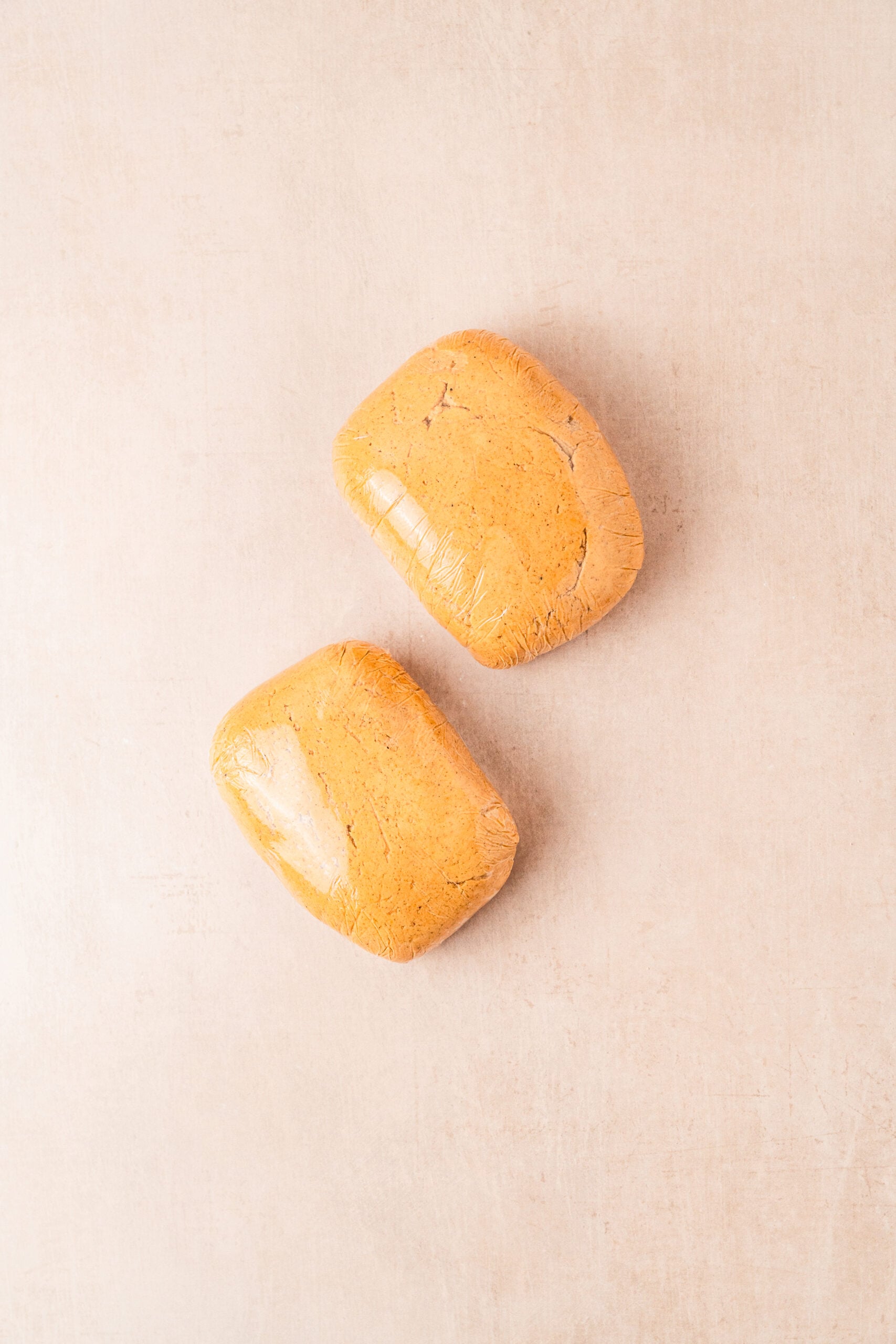

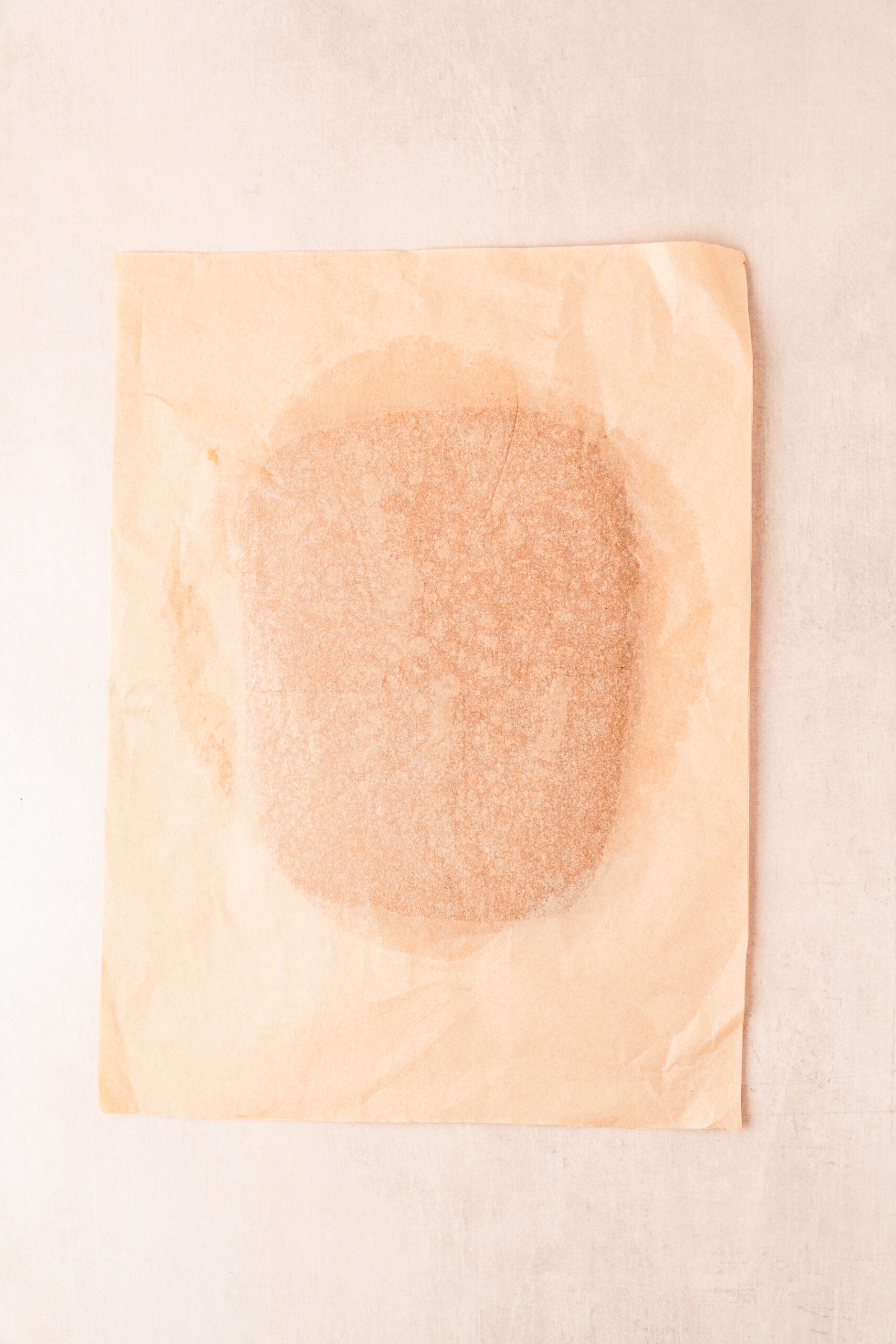
- Roll one disc out to an even 6 mm (1/4 in) thick between two sheets of parchment. Keep the second disc in the fridge while you work.
- Cut out your shapes and lift each one onto the tray with a thin palette knife rather than your fingers, which stretches the dough and distorts the shape. Gather and re roll the scraps once only.
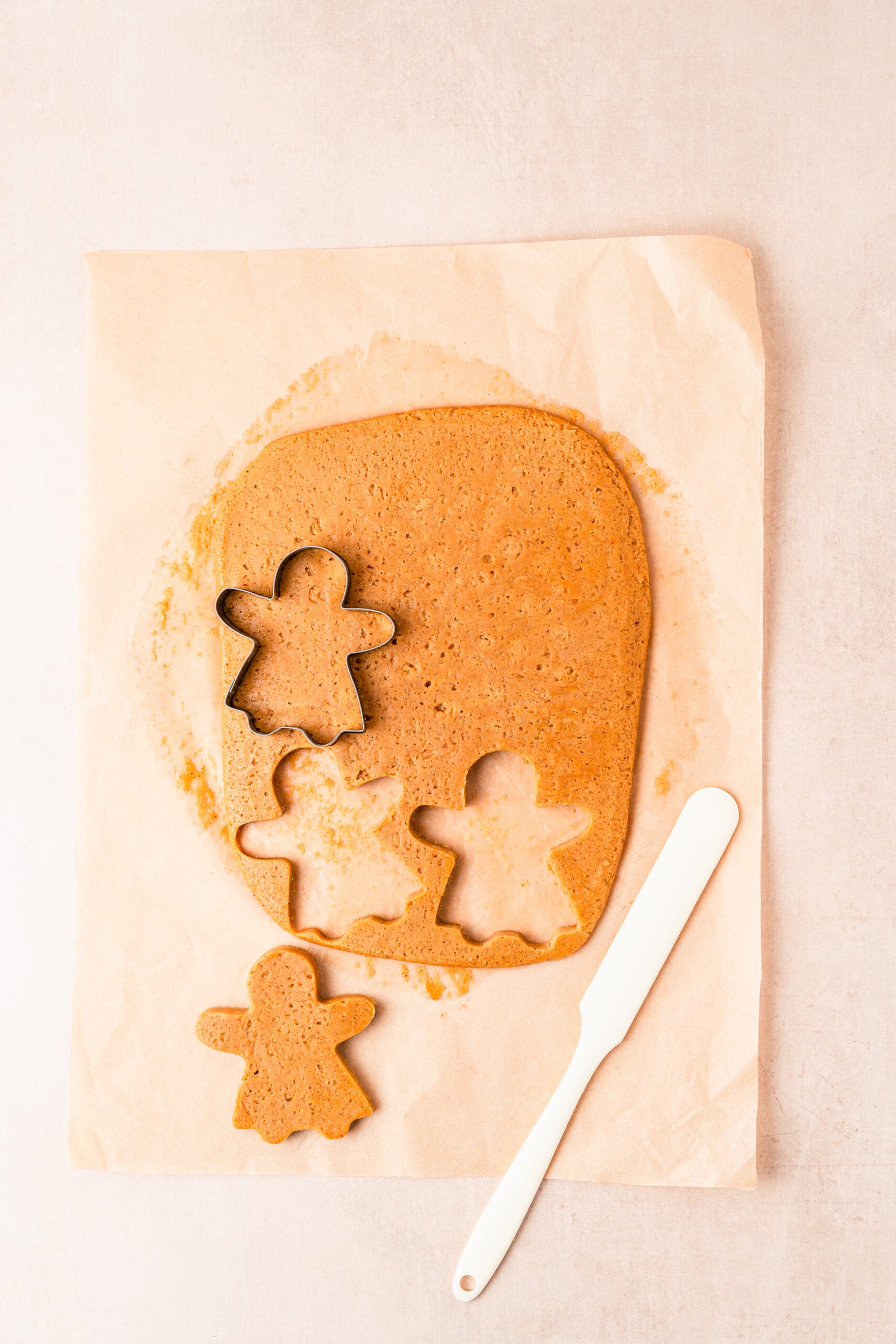
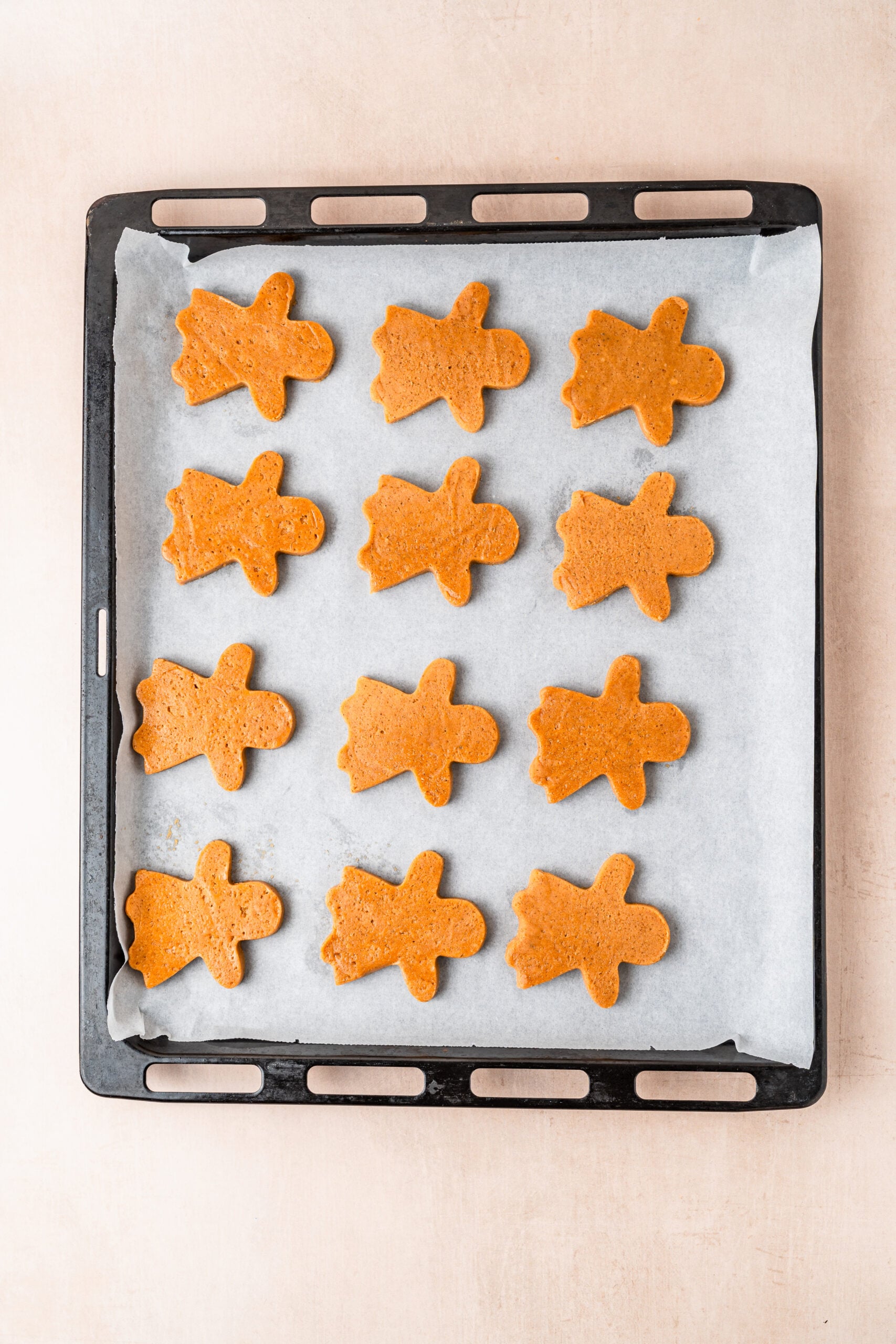
- Chill the cut shapes on their trays for 15 minutes before baking. This is the step that guarantees clean edges.
- Bake one tray at a time for 9 to 11 minutes, until the edges look dry and set and the centres are just firm to a light touch. Pull them at 9 minutes for a softer cookie, go to 11 for a crisper snap.
- Cool on the tray for 5 minutes, then move to a rack and cool completely. The cookies must be stone cold before icing or the royal icing will slide off and go transparent.
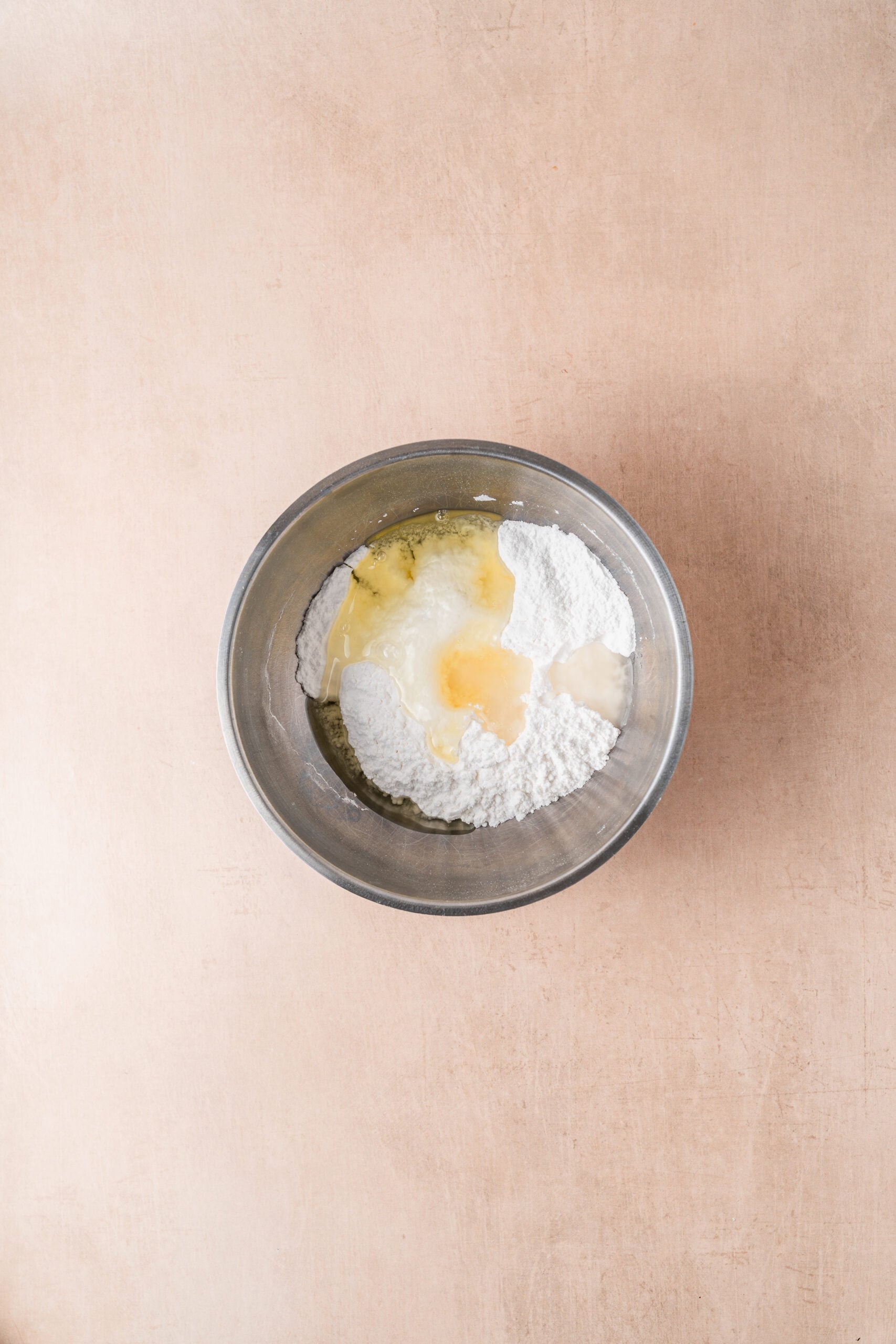
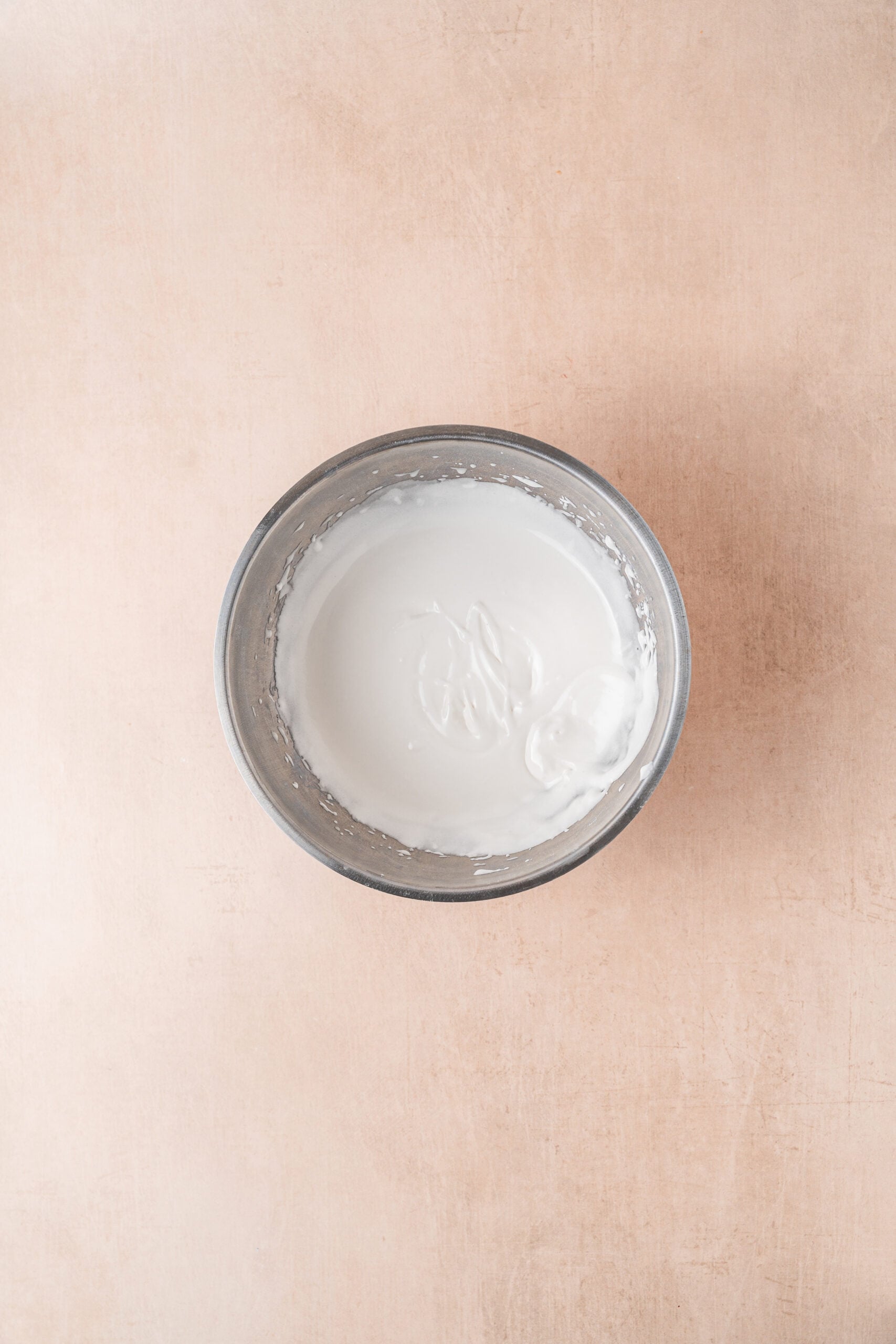
- For the royal icing, whisk the sifted icing sugar and meringue powder together, then add 3 tbsp of the warm water. Beat on low to combine, then on medium for 2 to 3 minutes until smooth and glossy and it holds a soft peak. Add the last tablespoon of water a few drops at a time only if you need it.
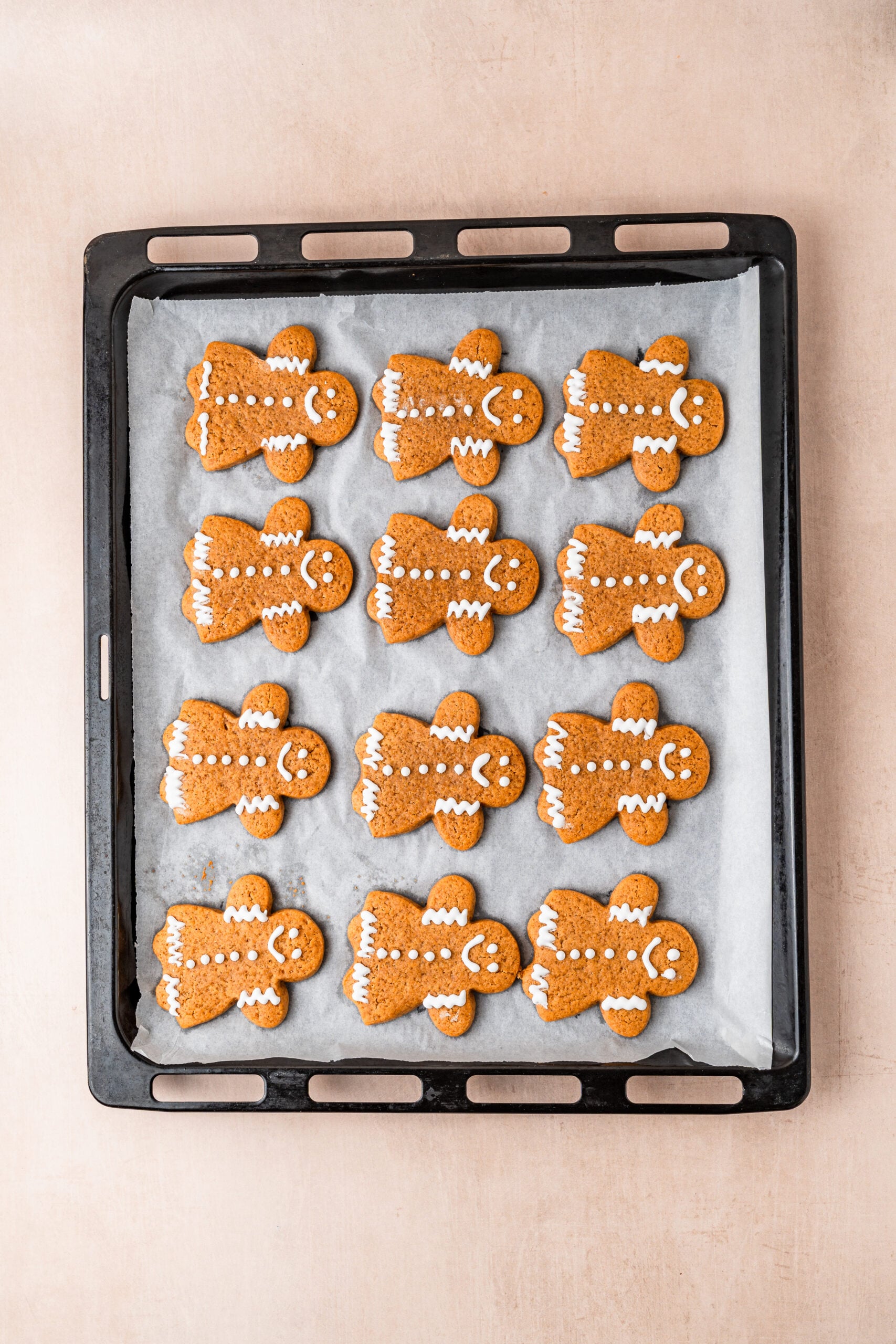
- Transfer to a piping bag with a small plain nozzle and decorate the cooled cookies. Leave to set at room temperature for at least 2 hours, or until the icing is hard and matte, before stacking or packing.

Fixing spreading, tough cookies and runny icing

The shapes spread and lose definition
The dough was too warm, or the second chill was skipped. Put the cut shapes back on their trays in the fridge for 15 minutes and bake them straight from cold. If your kitchen is warm, work with one disc at a time and keep the other in the fridge rather than leaving both out.
The cookies are tough
Either the dough was overmixed once the flour went in, or too much extra flour worked its way in during rolling. Mix only until the last dry streaks disappear, roll between parchment rather than on a floured bench, and re roll the scraps once at most.
The cookies are dry and hard
Overbaked. Gingerbread firms up considerably as it cools, so if it looks fully baked in the oven it will be hard once cold. Pull the tray when the edges are set and the centres are only just firm.
The royal icing runs off, or dries dull and crumbly
Runny icing is too thin: beat in more sifted icing sugar a spoonful at a time until it holds a line. Dull and crumbly icing is the opposite problem, too thick or overbeaten, so add water a few drops at a time. And if the icing goes transparent and slides, the cookies were still warm.
Making them ahead, freezing and posting them

This is the Christmas cookie that is actually built for getting ahead. The dough keeps wrapped in the fridge for 4 days and freezes for 3 months, so you can make it in November and bake in December. Let frozen dough thaw in the fridge overnight before you try to roll it.
Cut, unbaked shapes can be frozen flat on a tray and baked straight from the freezer with 1 to 2 minutes added, which is the fastest route to a tray of fresh cookies for people arriving. Baked and undecorated they keep in an airtight tin for 2 weeks. Decorated they keep for a week and post well, which is why gingerbread became the standard gift cookie in the first place.
If you are building a mixed tin, this sits well beside shortbread cookies and snowball cookies for contrast in colour and texture, since neither needs icing and both keep about as long.
Frequently Asked Questions
Why do my gingerbread cookies spread and lose their shape?
The butter melted before the cookie had a chance to set, so the dough slumped outwards and anything narrow such as an arm or a leg thickened and fused. The fix is the 15 minute chill after cutting, which most recipes leave out: cold shapes set in the oven before the fat can move them. Too much raising agent does the same thing, which is why there is only three quarters of a teaspoon of bicarbonate of soda in 420 g of flour here.
How thick should I roll gingerbread cookie dough?
An even 6 mm, about a quarter of an inch. Thinner than that and the cookies go crisp and snap when you move them, thicker and the edges puff and soften as the middle catches up. Rolling between two sheets of parchment keeps the thickness even and stops you working extra flour into the dough, which is the usual reason cut out gingerbread turns tough.
Can I make gingerbread cookie dough ahead or freeze it?
Yes, and this is the Christmas bake that rewards it most. The wrapped dough keeps in the fridge for 4 days and freezes for 3 months, so you can make it in November and bake in December. Thaw frozen dough in the fridge overnight before you try to roll it, or freeze the cut shapes flat on a tray and bake them straight from the freezer with 1 to 2 minutes added.
What can I use instead of molasses?
Treacle is the closest swap and works straight across, though it is a little more bitter. Golden syrup will give you a much milder, paler cookie, so use it only if you actively want that. Avoid blackstrap molasses entirely: it is harsh enough to bury the ginger and cinnamon completely.
How do I get soft gingerbread cookies rather than crisp ones?
Pull the tray at 9 minutes rather than 11. At 9 minutes the edges are dry and set and the centres are only just firm, and the cookies finish setting on the tray as they cool. Going to 11 minutes gives you the crisper snap that suits a gingerbread house or a biscuit tin that has to last.
How long does royal icing take to set hard enough to stack?
At least 2 hours at room temperature, and you want the surface hard and matte rather than glossy before anything goes on top of it. If the icing still looks shiny it is not set. Ice the cookies only once they are stone cold, because any residual warmth makes royal icing slide off and dry transparent.
Let’s Get Cooking
If you liked this recipe make sure to leave me a comment and rating down below. I’d love to know how it went! Also, don’t forget to tag me on Instagram @catherine.desserts.
Follow me on Facebook, Pinterest, YouTube, and TikTok for more of my baking creations and updates!
Gingerbread Cookies

A gingerbread cookies recipe built to hold its shape. Low bicarbonate of soda, a high flour ratio and a second chill after cutting give clean sharp edges, a deep bronze colour and a cookie firm enough to ice, stack and post.
- Prep Time: 25 minutes
- Chill and Decorating Time: 2 hours 45 minutes
- Cook Time: 30 minutes
- Total Time: 3 hours 40 minutes
- Yield: About 30 cookies, using a 9 cm (3.5 in) cutter 1x
- Category: Dessert
- Method: Baking
- Cuisine: American
Ingredients
Gingerbread dough
- 420 g (3 1/3 cups) plain (all purpose) flour, plus extra for rolling
- 2 1/2 tsp ground ginger
- 1 1/2 tsp ground cinnamon
- 1/2 tsp ground cloves
- 1/4 tsp ground nutmeg
- 3/4 tsp bicarbonate of soda (baking soda)
- 1/2 tsp fine salt
- 170 g (3/4 cup) unsalted butter, softened
- 150 g (3/4 cup, packed) brown sugar
- 160 g (1/2 cup) unsulphured molasses or treacle
- 1 large egg, at room temperature
- 1 tsp vanilla extract
Royal icing
- 250 g (2 cups) icing (powdered) sugar, sifted
- 1 1/2 tbsp meringue powder, or 1 large pasteurised egg white
- 3 to 4 tbsp warm water
Instructions
- Whisk the flour, ginger, cinnamon, cloves, nutmeg, bicarbonate of soda and salt together in a bowl and set aside. Note how little bicarbonate there is for this much flour. That is deliberate and it is the main reason these cookies keep a sharp edge instead of puffing.
- Beat the softened butter and brown sugar together with an electric mixer on medium for 2 to 3 minutes, until lighter and fluffy.
- Add the molasses, egg and vanilla and beat until combined. The mixture will look curdled and split at this point. That is normal and it comes back together once the flour goes in.
- Add the dry ingredients in two batches on low speed, mixing only until the last streaks of flour disappear. Overmixing here builds gluten and makes the cookies tough.
- Divide the dough in two, flatten each half into a thick disc, wrap and chill for at least 2 hours or overnight. The dough is sticky before chilling and firm and workable after it.
- Heat the oven to 175 C (350 F) and line three baking trays with parchment.
- Roll one disc out to an even 6 mm (1/4 in) thick between two sheets of parchment. Rolling between parchment rather than onto a floured bench means you add no extra flour, which keeps the cookies tender. Keep the second disc in the fridge while you work.
- Cut out your shapes and lift each one onto the tray with a thin palette knife rather than your fingers, which stretches the dough and distorts the shape. Gather and re roll the scraps once only, a second re roll makes tough cookies.
- Chill the cut shapes on their trays for 15 minutes before baking. This second chill is the step most recipes leave out and it is what guarantees clean edges: cold cookies set before the butter can melt and pull the shape outwards.
- Bake one tray at a time for 9 to 11 minutes, until the edges look dry and set and the centres are just firm to a light touch. For a softer cookie pull them at 9 minutes, for a crisper snap go to 11. They will firm up considerably as they cool, so do not wait for them to look fully baked.
- Cool on the tray for 5 minutes, then move to a rack and cool completely. The cookies must be stone cold before icing or the royal icing will slide off and go transparent.
- For the royal icing, whisk the sifted icing sugar and meringue powder together, then add 3 tbsp of the warm water. Beat on low to combine, then on medium for 2 to 3 minutes until smooth and glossy and it holds a soft peak. Add the last tablespoon of water a few drops at a time only if needed: you want it thick enough to hold a piped line without spreading.
- Transfer to a piping bag with a small plain nozzle and decorate the cooled cookies. Leave to set at room temperature for at least 2 hours, or until the icing is hard and matte, before stacking or packing.
Notes
- Molasses: unsulphured molasses gives the classic flavour. Treacle works and is slightly more bitter. Do not use blackstrap, it is harsh and overpowers the spice. Golden syrup gives a much milder, paler cookie.
- Egg free icing: mix the icing sugar with 2 to 3 tbsp milk and a little lemon juice. It sets firm enough to stack, though not quite as hard.
- A warmer version: add 1/4 tsp ground black pepper or a pinch of cayenne with the spices.
- Make ahead: the dough keeps wrapped in the fridge for 4 days and freezes for 3 months. Thaw frozen dough in the fridge overnight before rolling. Cut, unbaked shapes can be frozen flat on a tray and baked straight from the freezer with 1 to 2 minutes added.
- Storage: baked, undecorated cookies keep in an airtight tin for 2 weeks. Decorated cookies keep for a week and post well.
- Shapes spreading: the dough was too warm, or the second chill was skipped. The 15 minute tray chill in step 9 fixes both.
- Tough cookies: the dough was overmixed, or too much flour went in during rolling, so roll between parchment.
Nutrition
- Serving Size: 1 cookie