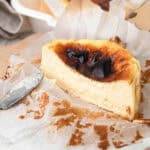
There’s something about The Best Cheesecake that feels quietly indulgent. It’s creamy and rich, yet somehow light enough to enjoy another slice without guilt. The crust crumbles just a little before it melts on your tongue, and the filling sits somewhere between velvet and cloud, that perfect middle ground pastry chefs dream about.
I still remember when I first started testing cheesecakes for TuCha in Los Angeles. We were filming back-to-back dessert shoots, and I needed a recipe that could stay silky for hours under studio lights. My early batches were a disaster, dense centres, cracked tops, and one that refused to leave the pan. After many late-night tweaks, I found the magic ratio of cream cheese to eggs and the gentle heat that kept it smooth. That’s when I realised cheesecake isn’t about perfection, it’s about patience.
Every spoonful tells you to slow down. It’s not flashy or over-decorated; it’s calm, elegant, and quietly confident, the sort of dessert that never shouts but always impresses.
What is The Best Cheesecake
The Best Cheesecake is a classic baked dessert built on a simple idea: balance. You start with a buttery graham cracker crust that adds crunch, then pour in a dense creamy cheesecake filling made from cream cheese, eggs, and a hint of lemon. As it bakes, the edges set firm while the centre stays soft and custard-like. Once chilled, every bite becomes smooth, rich, and perfectly sweet.
What makes this version special is its texture. It’s dense enough to feel luxurious but light enough not to overwhelm. The tang from the lemon and sour cream keeps each forkful bright, while the vanilla brings warmth and depth. It’s the kind of classic cheesecake recipe you can bring to a dinner party or share after Sunday lunch, reliable, elegant, and timeless.
Unlike no-bake versions that rely on gelatin, this baked cheesecake develops flavour as it rests. The cooling process is slow and deliberate, allowing the filling to firm up without losing its creamy heart. That’s what gives it the signature rich texture cheesecake lovers crave.
Where is The Best Cheesecake from
The inspiration behind The Best Cheesecake traces back to the New York-style cheesecake, born in the bustling delis of the 1920s. Those bakers were after a dessert that could hold its own, tall, proud, and full of flavour. Over the years, it travelled across continents, picking up small tweaks from every kitchen it visited.
When I began baking professionally in Sydney, I started with that traditional New York base: lots of cream cheese, a little sour cream, and just a whisper of lemon. But at TuCha in Los Angeles, I adjusted it for a modern palate, smoother texture, less sugar, and a more refined crust. My customers loved that it felt rich without being heavy, indulgent yet balanced.
So while this cheesecake nods to its New York roots, it’s very much an Australian-born reinterpretation, lighter, silkier, and made for warm evenings and shared plates.
How to Make It
Making The Best Cheesecake is a slow and steady process, more rhythm than recipe. You start with the crust: graham cracker crumbs, butter, sugar, and a pinch of cinnamon. Press it firmly into the base of a springform pan and bake it just long enough for the butter to toast the crumbs into a golden shell.
For the filling, everything must be at room temperature, that’s non-negotiable. Soft cream cheese blends smoothly with sugar and eggs, forming a batter so silky it almost pours like custard. Add lemon juice and vanilla to cut through the richness, then stir in sour cream for balance. This combination creates that unmistakable smooth cheesecake filling that feels indulgent but never heavy.
Baking is where patience truly pays off. Keep the oven low and steady; too much heat invites cracks. There’s no need for a water bath if you manage the temperature carefully. Once baked, leave the cheesecake inside the switched-off oven with the door slightly ajar. This gentle cooling prevents sudden shrinkage and keeps the surface flawless.
Finally, chill it overnight. The texture transforms from soft and wobbly to firm and creamy, the hallmark of an ultimate cheesecake recipe. When it’s ready, slice it cleanly with a hot knife and serve it cold. Each bite offers everything you want from a perfect cheesecake for dessert: buttery crust, creamy centre, and that quiet moment of pure satisfaction.
At-a-Glance, What You’ll Need Before We Start Rolling
Yield
Prep Time
Cook Time
Difficulty
Storage
10 to 12 slices
45 mins
1 hr
Intermediate
Refrigerate up to 5 days or freeze up to 1 month
Ingredients
Graham Cracker Crust
Graham cracker crumbs, create a crumbly crust cheesecake base that’s lightly sweet and crisp.
Granulated sugar, adds sweetness and helps bind the crust.
Cinnamon, gives a warm, aromatic depth that complements the creamy filling.
Kosher salt, balances the sweetness and sharpens the flavour of the crust.
Unsalted butter, melted, binds the crumbs together and gives that buttery crust cheesecake finish.
Cheesecake Filling
Cream cheese, room temperature, the star ingredient that creates the dense creamy cheesecake texture.
Granulated sugar, sweetens the batter evenly and enhances the tang of the cream cheese.
Cornstarch, stabilises the filling to prevent cracks and maintain a smooth cheesecake filling.
Eggs + egg yolk, room temperature, bind the mixture, giving the classic custard-like body.
Lemon juice, adds brightness and balances the rich texture cheesecake base.
Vanilla extract, deepens flavour and enhances aroma in the cream cheese cheesecake blend.
Sour cream, room temperature, adds smoothness and a subtle tang for that New York style cheesecake finish.
Strawberry Topping
Strawberries, hulled and quartered (reserve some fresh), add freshness, colour, and a juicy contrast to the creamy base.
Granulated sugar, draws out the strawberry juices for a natural syrup.
Cornstarch, thickens the sauce, helping it set beautifully over the cake.
Lemon juice, brightens and enhances the fruit flavour.
Honey, rounds off the topping with a soft floral sweetness.
Optional, My Favourite Extras That Add a Little Magic
A dash of heavy cream, for extra silkiness in the batter.
Crushed digestive biscuits, mixed into the crust for a deeper flavour profile.
White chocolate drizzle, adds a glossy, sweet finish.
Toasted coconut flakes, for tropical crunch on top.
A pinch of espresso powder, subtly intensifies the cream cheese flavour.
Substitutions, Smart Ingredient Swaps That Still Taste Amazing
Graham crackers → Digestive biscuits, similar flavour and texture.
Sour cream → Greek yoghurt, keeps it creamy with a slight tang.
Butter → Coconut oil, adds a light, nutty aroma and keeps the crust crisp.
Sugar → Honey or maple syrup, for a more natural sweetness.
Cornstarch → Plain flour, helps maintain the structure if cornstarch isn’t available.
Steps
Preheat oven to 175°C (350°F). Line the base and sides of an 8-inch springform pan with parchment and lightly grease.
Mix graham cracker crumbs, sugar, cinnamon, and salt. Stir in melted butter until mixture resembles wet sand.
Press firmly into the base and up the sides of the pan. Bake for 10 minutes, then cool.
Reduce oven to 150°C (305°F). Place a roasting pan on the bottom rack. Boil a pot of water.
Whisk eggs, yolk, lemon juice, and vanilla together. Set aside.
Beat cream cheese on low until smooth. Add sugar and cornstarch, mix until combined.
Slowly add the egg mixture in 3 to 4 additions on low speed.
Fold in sour cream gently with a spatula.
Pour into the crust, tap the pan to release air bubbles.
Pour boiling water into the roasting pan, place cheesecake on the middle rack above.
Bake for 1 hour 25 to 30 minutes, until edges are set and center jiggles slightly.
Turn off oven, crack the door, and leave cheesecake inside for 1 hour.
Chill uncovered in the fridge overnight.
Troubleshooting, Quick Fixes I’ve Learned from My Bakery Kitchen
Issue
What Went Wrong
My Fix
Cracks on top
Batter was overmixed or oven too hot
Mix slowly, use room temperature ingredients cheesecake batter, and cool gradually
Dense texture
Ingredients too cold when mixing
Always bring cream cheese and eggs to room temperature
Leaking crust
Springform pan not sealed tightly
Wrap pan with foil or use a solid base pan
Undercooked centre
Oven temp too low or removed too early
Bake until edges are set and the centre jiggles slightly
Soggy crust
Didn’t pre-bake the crust
Always bake crust for 10 minutes before adding filling
Comparison, How This Recipe Stacks Up Against Other Desserts
Dessert
Texture & Flavour
Skill Level
The Best Cheesecake
Dense creamy cheesecake with buttery crust and rich texture cheesecake finish
Intermediate
No-Bake Cheesecake
Light, mousse-like texture, quick to set
Easy
Japanese Cheesecake
Airy, soufflé-style with sponge-like lift
Advanced
Tips, My Personal Tricks for a Professional-Looking Result
Use Room Temperature Ingredients
This is the first rule I ever learned the hard way. Cold cream cheese doesn’t mix well with eggs or sugar, it clumps, cracks, and ruins the silky texture you want. By bringing everything to room temperature, the batter becomes smooth, easy to blend, and beautifully uniform.
At TuCha, we let our ingredients sit out for an hour before starting. That little wait makes all the difference between a lumpy cheesecake and one that slices like velvet.
A common mistake in home baking is overmixing. When you whip too fast, you add air, which later expands in the oven and causes cracks. Slow, steady mixing gives you a dense creamy cheesecake that holds its shape.
I like using a paddle attachment on low speed and scraping the bowl after each addition. Think of it as guiding the batter, not beating it into submission.
Bake in a Gentle Heat
Cheesecake is a delicate dessert. Too much heat and it dries out; too little and it stays wet in the centre. I bake mine low and slow, without a water bath, just a stable 150°C oven.
This method avoids dramatic temperature swings, giving you a crack-free cheesecake that’s evenly set from edge to centre.
Cool Gradually
Once the baking is done, patience begins. Never pull your cheesecake straight out of the oven. Turn off the heat, open the door slightly, and let it rest. That slow cooling keeps the texture creamy and prevents the top from splitting.
In professional kitchens, we call this the “breathing stage.” It’s when the cake adjusts from hot to cool without stress.
Chill Overnight
If you want that rich texture cheesecake experience, chilling is non-negotiable. Overnight refrigeration allows the fats to solidify gently, deepening the flavour and making each bite smooth and melt-in-your-mouth.
The next day, you’ll find that the crust holds firm, the filling is set, and the flavours have married perfectly.
Use a Hot Knife to Slice
There’s something oddly satisfying about a clean cheesecake slice. Dip your knife in hot water, wipe it dry, and cut confidently. Each slice will look café-perfect, glossy, smooth, and ready to serve.
Variations, Fun Twists and Flavours Inspired by Dessert Experiments
Chocolate Cheesecake Variation
For a deeper, more decadent flavour, melt dark chocolate and fold it into your batter. The chocolate blends seamlessly with the cream cheese, giving a dense custard cheesecake feel with a glossy finish.
This version is perfect for celebrations, rich, bold, and irresistibly smooth.
Lemon Cheesecake Recipe
When I crave something lighter, I reach for lemon. Add zest and a touch more juice for a bright, tangy twist. It cuts through the richness and brings a refreshing finish.
It’s lovely served with a dollop of whipped cream and thin lemon slices for a summery dessert plate.
Blueberry Cheesecake Recipe
Top your baked cheesecake with homemade blueberry compote. The syrup seeps slightly into the creamy surface, creating swirls of purple and bursts of fruit flavour.
It’s a simple way to turn a classic cheesecake recipe into something visually stunning.
I often make these for events, they’re neat, elegant, and easy to serve without slicing.
No Bake Cheesecake Alternative
For warmer days, skip the oven entirely. Mix your filling, pour it over a chilled crust, and let the fridge do the work.
It won’t have the baked density, but you’ll get a light and airy version that still feels indulgent.
Serving Suggestions, How I Like to Present These for Maximum ‘Wow’
Classic Café Slice
A clean wedge on a simple white plate is my go-to. I drizzle a thin line of strawberry topping across the surface for contrast. The sheen catches light beautifully in photos and makes it look like something straight from a pastry case.
Whipped Cream Clouds
Add small swirls of freshly whipped cream around the edges. The soft peaks give height and texture while balancing the dense creamy cheesecake base. It feels light and elegant without overcomplicating the presentation.
Berry Burst
I love topping my cheesecake with seasonal berries, strawberries in summer, blueberries in winter. They add colour, freshness, and that little tartness that complements the creamy filling. Scatter a few mint leaves for a cool accent.
Caramel Swirl
Warm caramel sauce drizzled in thin ribbons across the surface creates a golden, glossy pattern. It gives each slice a buttery, toffee-like sweetness that pairs perfectly with the vanilla cheesecake base.
White Chocolate Shavings
Use a vegetable peeler to make soft curls of white chocolate. Pile them on top just before serving. They melt gently as you eat, adding a sweet creaminess that looks effortless and elegant.
Dessert Board Centrepiece
Sometimes I cut the cheesecake into smaller slices and serve it as part of a dessert grazing board, alongside nuts, fruits, and cookies. It’s casual yet impressive, perfect for gatherings where everyone helps themselves.
Common Mistakes to Avoid, Lessons I’ve Learned After Dozens of Batches
Overbaking
This is the number one culprit behind dry cheesecake. The edges should be set, but the centre should still jiggle slightly when you tap the pan. Remember, the cake continues cooking from residual heat even after you switch off the oven.
Skipping the Chill
Cheesecake needs time to rest. Serving it too soon means the filling won’t hold properly, and you’ll lose that rich, creamy consistency. Always chill overnight, it’s worth the wait.
Mixing Too Fast
High speed means more air, and more air means cracks. Keep your mixer on low and move slowly. Scrape the sides often so everything blends evenly.
Ignoring Crust Prep
If you skip pre-baking, your crust will turn soggy from the filling. A quick ten minutes in the oven gives you that crisp, buttery base that contrasts beautifully with the creamy layer above.
Removing from Pan Too Early
The cheesecake must cool completely before you release the springform pan. If you rush, the sides may tear or collapse slightly. Patience gives you smooth, professional edges every time.
Not Using Room Temperature Ingredients
Cold cream cheese leads to lumps. Cold eggs lead to curdling. Bringing everything to room temperature makes for a flawless, silky batter that bakes evenly.
If you liked this recipe make sure to leave me a comment and rating down below. I’d love to know how it went! Also, don’t forget to tag me on Instagram @catherine.desserts.
Delight in The Best Cheesecake, a creamy, velvety dream with a buttery graham cracker crust!
Author:Catherine Zhang
Prep Time:45 minutes
Cook Time:1 hour
Total Time:1 hour 45 minutes
Yield:10 1x
Category:Cake
Method:Intermediate
Cuisine:American
Ingredients
Scale
Graham Cracker Crust
210g graham cracker crumbs (1 1/2 cups)
55g granulated sugar (1/4 cup)
1/2 teaspoon cinnamon
pinch of kosher salt
85g unsalted butter, melted (6 tablespoons)
Cheesecake Filling
675g cream cheese, room temperature (24oz / 3 blocks)
250g granulated sugar (1 1/4 cups)
20g cornstarch (2 tablespoons)
3 large eggs + 1 egg yolk, room temperature
7g lemon juice (1 1/2 teaspoons)
7g vanilla extract (1 1/2 teaspoons)
180g sour cream, room temperature (3/4 cup)
Strawberry Topping
450g strawberries, hulled and quartered (3 cups, reserve 1/2 cup fresh)
100g granulated sugar (1/2 cup)
8g cornstarch (1 tablespoon)
15g lemon juice (1 tablespoon)
20g honey (1 tablespoon)
Instructions
1. Preheat oven to 175°C (350°F). Line the base and sides of an 8-inch springform pan with parchment and lightly grease. 2. Mix graham cracker crumbs, sugar, cinnamon, and salt. Stir in melted butter until mixture resembles wet sand. 3. Press firmly into the base and up the sides of the pan. Bake for 10 minutes, then cool. 4. Reduce oven to 150°C (305°F). Place a roasting pan on the bottom rack. Boil a pot of water. 5. Whisk eggs, yolk, lemon juice, and vanilla together. Set aside. 6. Beat cream cheese on low until smooth. Add sugar and cornstarch, mix until combined. 7. Slowly add the egg mixture in 3–4 additions on low speed. 8. Fold in sour cream gently with a spatula. 9. Pour into the crust, tap the pan to release air bubbles. 10. Pour boiling water into the roasting pan, place cheesecake on the middle rack above. 11. Bake for 1 hour 25–30 minutes, until edges are set and center jiggles slightly. 12. Turn off oven, crack the door, and leave cheesecake inside for 1 hour. 13. Chill uncovered in the fridge overnight.
Catherine Zhang
My name is Catherine, a food blogger and dessert lover. If I look familiar you may have seen me on NETFLIX's Zumbo’s Just Desserts S2!
As an Australian-Chinese pastry chef and recipe developer I share recipes and tips on desserts inspired by amazing flavours, fresh produce and of course my Asian background.