
Indulge in this Butter Mochi, chewy, buttery, and golden with rich coconut-infused bliss!
What is Butter mochi?
Butter mochi is a classic Hawaiian treat that feels like a cross between cake and mochi. With its soft and chewy center, golden crust, and slightly coconutty flavor, it’s no wonder this comfort food dessert has become a potluck favorite dessert across Hawaii. This gluten-free snack cake is made with mochiko sweet rice flour, which gives it a springy rice cake texture and a buttery coconut taste that’s absolutely irresistible.
Butter mochi was born in Hawaii during the 20th century Hawaiian dessert boom, when island home bakers blended Japanese mochi traditions with Western cake-making. It’s now a Hawaiian home baking classic, often found at school fundraisers, Hawaiian bake sale treats, and family gatherings. This baked dessert, not steamed, quickly became a potluck dessert staple because of its easy mix and bake style.
Where is Butter mochi from
How to make it
Making Butter mochi is surprisingly simple. You’ll prepare a base mochi batter by combining wet ingredients like milk, coconut milk, and butter with sweet rice flour. Then you’ll pour it into a pan and bake until golden. Once cooled, cut into neat square-cut servings and enjoy this crowd-pleasing mochi in its chewy but not gummy perfection.

Ingredients
- Mochiko flour (sweet glutinous rice flour): Creates the signature chewy texture that makes this a cake-like mochi instead of a regular cake.
- Granulated sugar: Sweetens the batter and balances the slightly coconutty flavor with just the right touch of indulgence.
- Baking powder: Gives the springy rice cake a gentle lift, ensuring it isn’t overly dense or gummy.
- Salt: Enhances the buttery coconut taste and balances sweetness.
- Eggs: Bind the batter, add richness, and help develop that golden top crust.
- Whole milk: Softens the dense and chewy texture, keeping it moist and beginner-friendly.
- Coconut milk: Adds richness and that signature coconut-y dessert flavor.
- Butter, melted: Infuses the batter with nutty, buttery goodness and creates crisp edges.
- Vanilla extract: Adds warmth and depth, rounding out this comfort food dessert beautifully.
Steps:
- Preheat oven to 175°C (350°F) and lightly grease or line a 23×33 cm (9×13-inch) pan.
- Whisk Mochiko flour, sugar, baking powder and salt in a large bowl.


- In another bowl beat eggs, then mix in milk, coconut milk, melted butter and vanilla extract.


- Pour wet mixture into dry mixture and stir until smooth.


- Transfer to prepared pan and tap to release air bubbles.


- Bake for 1 hour until golden on top and a toothpick comes out with a few sticky crumbs.


- Cool completely in the pan before slicing into chewy squares.


Pro Tips for Butter mochi
Use the right flour, always use mochiko (sweet rice flour), not regular rice flour
Butter mochi gets its chewy but not gummy magic from mochiko sweet rice flour. Regular rice flour just won’t give you that iconic texture.
Think of mochiko as the heart of this baked mochi cake. Without it, you’d lose the soft bounce that makes this dessert so unforgettable.
Choose full-fat coconut milk or cream for richer taste and texture
Full-fat coconut milk brings that buttery coconut taste and slightly coconutty flavor. Light or carton versions will water down the batter.
If you want a truly richly coconut bite, use canned coconut cream. It adds body, flavor, and that extra luxurious chewiness.
Mix wet ingredients first, then add mochiko to avoid lumps
This step keeps your batter silky smooth. When wet ingredients coat the sugar, butter, and milk first, the flour blends in effortlessly.
If you toss mochiko in too early, you risk clumps. The result? Uneven texture instead of the dreamy chewy snack cake.
Butter or line your pan (e.g., 9×13″) for easy removal and crisp edges
Greasing or lining your pan is a foolproof trick. It prevents sticking and guarantees neat, square servings every time.
A parchment lining also helps you lift out the entire cake, making cutting into square-cut servings clean and simple.
Bake at 350°F (175°C) until the center is set and top is golden
This temperature is the sweet spot. It bakes the cake evenly while forming a golden, slightly crisp top.
Test with a toothpick: a few crumbs mean it’s just right. Underbake, and you’ll have a runny center.
Cool fully before cutting, clean squares come easier
Patience pays off here. Cutting too soon makes edges messy, leaving a sticky trail behind.
Cooling lets the soft and chewy center firm up, making your square-cut servings picture-perfect for gatherings.
Tent with foil if the top browns too quickly
If your oven runs hot, the top can over-brown before the center cooks. A foil tent saves the day.
It shields the crust but still allows the inside to bake through. Result: a perfect golden cap without bitterness.
For lighter texture, slightly reduce butter
Love the chew but want less density? Cut the butter by a tablespoon or two.
This creates a more balanced crumb. Still moist, still chewy, but lighter on the bite.
Add mix-ins like coconut or macadamia for extra flavor
Once you’ve nailed the base mochi batter, have fun. Shredded coconut boosts the coconut-y dessert vibes. Macadamias bring a nutty crunch.
Mix-ins turn this beginner-friendly recipe into something new every time. It’s the joy of mochi cake variations.
It’s naturally gluten-free when using mochiko
Butter mochi is a gluten-free dessert by nature. Mochiko flour is made from glutinous rice, not wheat.
That means everyone can enjoy a slice of this crowd-pleasing mochi at potlucks, bake sales, or family gatherings.

Serving Suggestions and Storage
Serve Butter mochi warm or at room temperature in small squares
Butter mochi shines brightest in square servings. Fresh out of the oven, it’s warm and comforting. At room temperature, the chew develops beautifully.
Slice into neat squares to highlight the chewy but not gummy center. These little bites are perfect for bite-size mochi snacking or chewy mochi muffins.
Pair with tea, coffee, or fresh fruit for balanced flavor
A potluck favorite dessert deserves a good pairing. The buttery, chewy texture balances well with the bitterness of tea or the smoothness of coffee.
For a refreshing twist, serve alongside tropical fruit. Mango or pineapple enhances the vibrant tropical flavor, making this an Asian-inspired dessert that feels endlessly fresh.
Try toppings like toasted coconut, sesame seeds, or a dusting of sugar
Butter mochi is versatile. A sprinkle of toasted coconut gives it extra crunch and deepens that richly coconut vibe.
For a playful twist, add sesame seeds or a light dusting of sugar. These toppings highlight the slightly coconutty flavor without overpowering the base.
Store at room temperature in an airtight container for up to 2 days
Butter mochi is a comfort food dessert that stays fresh on the counter. Simply place it in an airtight container to keep the chew intact.
Two days at room temperature is just right. Any longer, and you’ll want refrigeration to preserve that soft and chewy goodness.
Refrigerate (airtight) for up to 1 to 2 weeks, texture firms when cold
Pop leftovers into the fridge if you want them to last. The chewy texture will firm up, giving the squares a denser bite.
Don’t worry, though. A quick warm-up revives them. Think of it as the brownies alternative you can enjoy cold or reheated.
Freeze wrapped pieces for up to 3 months
This is the ultimate recipe for crowds and planners. Wrap pieces individually, then freeze for up to three months.
When you’re ready, thaw at room temperature. You’ll still get that classic mochi cake chew with no loss of flavor.
Reheat in the microwave for 10 to 20 seconds to revive chewiness
Butter mochi loves a little warmth. A short zap in the microwave transforms chilled or frozen squares back into a soft and chewy delight.
Ten seconds is usually enough. Too long, and you risk losing the chewy texture that makes it so addictive.
For large gatherings, bake in two 8×8 pans or double the recipe
Need a crowd-pleasing mochi for a party? This recipe doubles beautifully. Bake it in two 8×8 pans for shorter bake times.
Perfect for potluck dessert staples, bake sales, or birthdays, this adjustment ensures everyone gets their share of this Hawaiian home baking classic.

Variations
Chocolate Butter mochi (“Brochi”) with cocoa or chocolate chips
For a decadent twist, mix cocoa powder or chocolate chips into the base mochi batter. The result is chocolate butter mochi, chewy, fudgy, and rich.
Think of it as a chewy cousin to brownies, the brownies alternative that’s still naturally gluten-free. Perfect for chocoholics craving a unique baked mochi cake.
Matcha Butter mochi with green tea powder
Add a spoonful of matcha powder to your batter for matcha butter mochi. The earthy green tea balances the sweetness beautifully.
This variation feels like a Japanese mochi hybrid, merging traditional flavors with the Hawaiian baked dessert, not steamed approach.
Ube Butter mochi using ube halaya or extract
Purple, vibrant, and stunning, ube butter mochi transforms the classic into a colorful delight. Ube halaya or extract works wonderfully.
The purple sweet potato mochi version makes for a birthday funfetti mochi alternative with a naturally festive hue.
Red bean Butter mochi with swirls of sweet azuki paste
Swirl in sweet red bean paste for a cross between cake and mochi that feels uniquely Asian-inspired.
This chewy mochi cake brings a comforting nuttiness and makes each slice feel like a little surprise.
Coconut-rich version with shredded coconut on top or inside
Boost the coconut flavor with optional shredded coconut. Fold it in or sprinkle on top for texture and extra chew.
This coconut-forward version leans into the coconut milk cake identity, perfect for lovers of richly coconut flavors.
Nutty Butter mochi with chopped macadamia nuts
Add macadamia nuts for a southern-style miso-pecan twist reimagined Hawaiian-style.
The crunch cuts through the dense and chewy texture, offering a playful balance to the buttery chew.
Mini muffin Butter mochi for quick, bite-size treats
Pour the batter into mini muffin tins for mini mochi muffins. Each one is a tiny bite-size mochi ready for parties or lunchboxes.
These chewy mochi muffins are a potluck favorite dessert, perfect when you need something portable and fun.
Dairy-free Butter mochi using plant-based butter and coconut milk
Swap butter for plant-based margarine, and you’ve got a dairy-free butter mochi.
Coconut milk already does the heavy lifting, so this version stays indulgent, making it a gluten-free dessert for all.
Reduced-sugar variation by swapping part of sugar with brown sugar
Dial sweetness back by replacing some granulated sugar with brown sugar.
This adds a caramel note while keeping the soft and chewy texture intact. A comfort food dessert with deeper, richer flavor.

Common Mistakes to Avoid
Using the wrong flour, non-mochiko results in wrong texture
Butter mochi depends on mochiko sweet rice flour. Substituting with regular rice flour or wheat flour ruins the soft and chewy magic.
Without mochiko, you won’t get that signature springy rice cake feel. Always stick to glutinous rice flour for the right chewy texture.
Substituting carton coconut milk, leads to thin batter and off texture
Carton coconut milk is watered down. It makes the batter thin and alters the bake.
Only canned, full-fat coconut milk creates the richly coconut, buttery chew that defines this Hawaiian bake sale treat.
Over-mixing after adding flour, creates dense and gummy mochi
Once mochiko joins the mix, go easy. Over-mixing develops gumminess, leading to an unpleasant chew.
Stop stirring once you see a smooth base mochi batter. Less mixing equals that dreamy chewy but not gummy bite.
Under-baking, center stays runny or raw
If you pull it out too soon, the middle stays raw. That ruins the crowd-pleasing mochi vibe completely.
Bake until the top is golden, and a toothpick comes out with crumbs, not wet batter.
Cutting hot mochi, yields messy edges; always wait to cool
Patience matters. Cutting too early means jagged slices and sticky edges.
Cool completely, then cut. This ensures clean square-cut servings that show off the perfect cake-like mochi texture.
Skipping parchment or proper greasing, mochi sticks to pan
Butter mochi loves to cling. Without parchment or greasing, it’s nearly impossible to lift cleanly.
A well-buttered pan or parchment ensures neat square servings without stress.
Wrong oven temperature, use an oven thermometer if needed
Ovens often run hot or cool. Too hot, and you’ll burn the crust; too cool, and you’ll end up under-baked.
An oven thermometer keeps things accurate so your baked mochi cake turns out just right.
Adding wet mix-ins without adjusting moisture, may result in gummy parts
If you toss in fruit or overly moist add-ins, you risk patches of gumminess.
Balance by reducing other liquids slightly. That way, you keep the dense and chewy texture consistent.
Frequently Asked Questions
What is Butter mochi and how is it different from Japanese mochi?
Butter mochi is a 20th century Hawaiian dessert, a cross between cake and mochi. It’s baked, buttery, and coconut-rich.
Japanese mochi, by contrast, is traditionally steamed or pounded. The texture is denser and stickier, not the cake-like mochi chew you get here.
Can I make Butter mochi without coconut milk?
Yes, but the flavor won’t be the same. Coconut milk gives the dessert its slightly coconutty flavor and buttery coconut taste.
If you must, swap with whole milk or evaporated milk. Just know you’ll miss that signature coconut-y dessert vibe.
Can I use shiratamako instead of mochiko?
No. Shiratamako is coarser and made for chewy dumplings. It doesn’t work in this baked mochi cake.
Stick with mochiko sweet rice flour for the correct chewy texture. It’s the foundation of this gluten-free dessert.
How do I know when Butter mochi is fully baked?
The top should be golden, and a toothpick comes out with soft crumbs—not raw batter.
Look for that gentle jiggle in the center settling into a firm, chewy snack cake.
How many servings from a 9×13 pan?
Typically, you’ll get about 24 small square-cut servings.
That makes it the perfect recipe for crowds—a potluck dessert staple that stretches to share.
Can I halve the recipe and use an 8×8 pan?
Yes, halving works beautifully. Just adjust bake time—start checking at 30–35 minutes.
This smaller batch is perfect when you want comfort food dessert for fewer people.
How do I keep the top crisp yet the center chewy?
Bake uncovered at 350°F until golden. If the top browns too quickly, tent with foil.
That way, the crust stays crisp, while the inside remains soft and chewy.
Can I make Butter mochi ahead for events?
Absolutely! Bake a day before, cool, and store airtight at room temperature.
For longer lead time, refrigerate or freeze. It’s a potluck favorite dessert because it holds up so well.
What if my Butter mochi is greasy or has pools of butter?
That means too much butter, or under-mixing.
Slightly reduce butter next time, or whisk the wet ingredients thoroughly before adding flour. This keeps the texture even.
Why might Butter mochi sink in the middle?
It’s usually under-baked or over-mixed.
Always test doneness with a toothpick and avoid beating the batter after adding flour. These two tricks keep it sturdy.
Can I reduce sugar without affecting texture?
Yes. Swap part of the white sugar with brown sugar for a deeper flavor.
The cake will still be chewy, but less sweet—a great option for balance.
How do I reheat Butter mochi so it tastes fresh?
A quick microwave burst, about 10–20 seconds, works wonders.
It revives the chewy texture, making each square feel like it just came from the oven.
Let’s Get Cooking
If you liked this recipe make sure to leave me a comment and rating down below, I would love to know how you went. Also don’t forget to tag me on Instagram @catherine.desserts so I can see and share your desserts.
Follow me on facebook, pinterest, youtube and tiktok for more of my baking creations and updates! Until next time… happy cooking!
PrintLet’s Get Cooking
If you liked this recipe make sure to leave me a comment and rating down below. I’d love to know how it went! Also, don’t forget to tag me on Instagram @catherine.desserts.
Follow me on Facebook, Pinterest, YouTube, and TikTok for more of my baking creations and updates!
Butter Mochi

Indulge in this Butter Mochi — chewy, buttery, and golden with rich coconut-infused bliss!
- Prep Time: 30 minutes
- Cook Time: 60 minutes
- Total Time: 1 hour 30 minutes
- Yield: 12 1x
- Category: mochi
- Method: Easy
- Cuisine: Hawaiian
Ingredients
- 1 box (16 oz / 450 g) Mochiko flour (sweet glutinous rice flour)
- 1 1/2 cups (12 oz / 340 g) granulated sugar
- 1 1/2 tsp baking powder
- 1/2 tsp salt
- 4 large eggs, at room temperature
- 2 cups (16 fl oz / 450 ml) whole milk, at room temperature
- 1 can (13 fl oz / 400 ml) coconut milk
- 1/2 cup (4 oz / 115 g) butter, melted.
- 1 tsp vanilla extract
Instructions
- Preheat oven to 175°C (350°F) and lightly grease or line a 23×33 cm (9×13-inch) pan.
- Whisk Mochiko flour, sugar, baking powder and salt in a large bowl.
- In another bowl beat eggs, then mix in milk, coconut milk, melted butter and vanilla extract.
- Pour wet mixture into dry mixture and stir until smooth.
- Transfer to prepared pan and tap to release air bubbles.
- Bake for 1 hour until golden on top and a toothpick comes out with a few sticky crumbs.
- Cool completely in the pan before slicing into chewy squares.
Love mochi? Find every type in one place in our complete guide to mochi recipes.



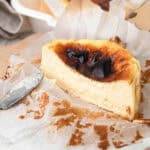
My 9 year old has requested this cake for her bday for the past 4 years. It is soooooo good! The taste, texture and simplicity of it all. Always a crowd favourite!