
This easy mochi is so soft and bouncy, and made with only 4 ingredients, serve with your favorite dip of choice for a chewy sweet treat!
Some days I crave something soft and a little bit chewy, but I don’t want to fuss with anything too fancy, and that’s when I reach for mochi. It’s one of those treats that feels simple but still has that silky, stretchy bite that makes you pause for a moment.
I first played around with this four-ingredient version back when I was testing quick snacks for the team at TuCha. A few batches turned out like rubber bands, and one welded itself to the bench because I forgot the cornstarch. But once I found the right mix, it became the recipe I make when I want something comforting without pulling out half the pantry. It’s a lovely little treat to make when you want something soft and soothing.
If you have been hunting for an easy mochi recipe, this is the one I keep coming back to. All you need is glutinous rice flour, a little sugar, and milk, plus a microwave, and you get soft, stretchy mochi in about ten minutes. No steamer, no special machine, no fuss. Below I walk you through the method, my favourite fillings, and every fix I have learned for perfectly chewy mochi every time.
At-a-Glance: What You’ll Need Before We Start Rolling
| Yield | Prep Time | Cook Time | Difficulty | Storage |
|---|---|---|---|---|
| 10 balls | 5 minutes | 5 minutes | Easy | 1 to 2 days at room temp or 1 month frozen |
What is Mochi?
Mochi is a delightful Japanese treat made from glutinous rice or sweet rice flour. This chewy and soft confection is crafted through a process that transforms the rice into a stretchy, dough-like consistency. Originating from Japan, mochi has been a traditional food item in Japanese culture, especially celebrated during the New Year and other special occasions.

Benefits of Homemade Mochi!
- Customization: Making mochi at home allows you to tailor the ingredients and flavors to your preferences.
- Freshness: Homemade mochi is fresh, enhancing its texture and taste.
- Fun Experience: The process of making mochi can be a delightful activity to share with family and friends, turning cooking into a communal and enjoyable event.
Main Ingredients
- Glutinous rice flour: This is the main ingredient in mochi and provides the characteristic chewy texture. Glutinous rice flour, also known as sweet rice flour or sticky rice flour, is made from short-grain glutinous rice, which has a higher starch content than regular rice.
- Granulated sugar: Sugar adds sweetness to the mochi. It enhances the flavor and balances the natural blandness of glutinous rice flour.
- Milk: Milk adds moisture and richness to the mochi dough. It helps bind the ingredients together and contributes to the soft, tender texture of the final product.
- Cornstarch (for dusting): Cornstarch is used for dusting surfaces and hands to prevent the mochi from sticking. It creates a barrier between the sticky mochi dough and surfaces, making it easier to handle and shape.
Optional: My Favourite Extras That Add a Little Magic
These aren’t needed, but they add fun texture or flavour when you want to mix things up.
- Coconut Milk
Gives the mochi a richer, silkier taste that reminds me of shop-style milk mochi. - Kinako (roasted soybean flour)
Adds a warm nutty flavour that works beautifully with soft mochi. - Shredded Coconut
Light texture, sweet taste, and it helps with sticking too.
Substitutions: Smart Ingredient Swaps That Still Taste Amazing
These swaps still give you soft, chewy mochi without changing the texture too much.
- Milk → Soy or Oat Milk
Swap Tip: Plant milk works well and gives a slightly lighter chew.* - Granulated Sugar → Light Brown Sugar
Swap Tip: It adds a deeper sweetness and makes the mochi a little softer.* - Cornstarch → Potato Starch
Swap Tip: Potato starch stays silkier and dusts more evenly if you’re shaping fast.*

Step-By-Step Guide to Making Easy Mochi
Preparing Mochi Dough
To make the mochi dough:
- Mixing Ingredients: Combine glutinous rice flour, milk, and sugar in a microwave-safe bowl. Ensure the mixture reaches a smooth, yogurt-like consistency, perfect for achieving the ideal dough.
- Microwave or Cook: You can cook your mochi mixture in the microwave, making sure to cover it with microwave-safe plastic wrap. For those without a microwave, steaming over high heat is an excellent alternative. Either method will cook the dough until it’s just right, embodying that quintessential mochi chewiness.
Shaping and Filling Mochi
Once your dough is ready:
- Shaping: With hands dusted in cornstarch or more glutinous rice flour, shape the dough into small, round discs. This base can be filled with anything from ice cream to traditional red bean paste.
- Filling: Place your chosen filling, such as sweet mango or whipped cream, in the center of each mochi disc. Carefully wrap and seal the dough around the filling, ensuring a nice, smooth exterior.
Cooking Methods
As for cooking the mochi:
- Steaming: This traditional method involves cooking the filled mochi in a steamer for about 30 minutes.
- Microwave: Quicker and just as effective, microwaving the mochi takes about 2 to 3 minutes, depending on the power setting.
- Baking: For a different texture, baking the mochi in an oven can also yield delicious results.
Troubleshooting: Quick Fixes I’ve Learned from My Bakery Kitchen
| Problem | What’s Going Wrong | Quick Fix |
|---|---|---|
| Dough too sticky | Undercooked or not enough starch | Microwave 10 to 20 seconds more, then dust well |
| Mochi turns firm | Overcooked or cooled uncovered | Cover with a damp cloth to soften |
| Mixture lumpy | Dry pockets of flour | Whisk the batter until smooth before cooking |
| Burns in microwave | Hot spots in the bowl | Stir halfway to distribute heat |
| Dry, chalky exterior | Too much cornstarch | Dust lightly and tap off excess |
Comparison: How This Recipe Stacks Up Against Other Desserts
| Dessert | What Makes It Different | When I Make It |
|---|---|---|
| Easy Mochi | Soft, chewy, only 4 ingredients | When I want a quick treat without turning on the oven |
| Daifuku Mochi | Filled with fruit or red bean paste | When I want something a bit more special or shareable |
| Mochi Ice Cream | Frozen, creamy centre | When it’s warm and I’m craving something cool and chewy |
Tips for Perfect Mochi Every Time
Making mochi can be a fun and rewarding experience, especially when you end up with that perfectly chewy texture. Here are some detailed tips to help you achieve great results every time:
- Moisture Control: Keeping an eye on moisture levels is crucial. If your mochi dough feels too sticky, a bit more glutinous rice flour can help. Conversely, if it’s too dry, a splash of milk can bring it back to the right consistency.
Want a refreshing twist? Try my Watermelon Mochi
- Heating Times: When using a microwave, start with 2 minutes on high, checking the consistency, and then continue in 30-second bursts. Mochi is ready when it’s smooth and elastic, but not overly sticky.
- Prevent Sticking: Dust your working surface and rolling pin with cornstarch or more glutinous rice flour to keep the mochi from sticking. This makes handling the dough and shaping your mochi much easier.
- Dust with Cornstarch or Potato Starch: Use cornstarch or potato starch generously to prevent mochi from sticking to surfaces and hands. It’s especially helpful if you’re shaping mochi into smaller pieces.
- Reheat Mochi Gently: If your mochi starts to harden, microwave it for a few seconds to regain its soft, chewy texture.
Personalized Advice
To further ensure your mochi-making is a success:
- Handling the Dough: Be gentle yet firm. If the mochi is too hot when you start shaping it, let it cool slightly to make it easier to handle.
- Achieving Desired Texture: For a softer mochi, cover it with a damp cloth after cooking to keep it moist. For a firmer texture, allow the mochi to air dry slightly before storing.
If you love tropical flavors, don’t miss my Mango Mochi
Variations
- Peanut Butter Mochi: Place a dollop of peanut butter in the center before shaping for a nutty filling.
- Coconut Mochi: Mix in shredded coconut into the dough or sprinkle on top for added texture and flavor.
Storing and Serving Mochi
Best Practices for Storing
Mochi is best enjoyed fresh, but if you have leftovers:
- Short-Term Storage: Keep them in an airtight container at room temperature for up to 2 days.
- Long-Term Storage: For longer storage, wrap each mochi individually in plastic wrap and place them in the freezer. They can be kept frozen for up to a month.
Serving Suggestions
Mochi can be served in various delightful ways depending on the occasion:
- Casual Snacking: Simple dusted with soybean flour or cornstarch for a quick treat.
- Dessert: Serve with a scoop of ice cream or alongside sweet dips like strawberry jam or whipped cream.
- Special Occasions: Decorate with sweet rice flour or roll in coconut flakes for a festive look.
- Mochi Ice Cream Sandwiches: Cut mochi into rounds and use them as “buns” for small scoops of ice cream.
- Mochi with Fresh Fruit: Serve mochi alongside sliced strawberries, mangoes, or kiwi for a refreshing combination.
Common Mistakes to Avoid: Lessons I’ve Learned After Dozens of Batches
- Using regular rice flour: It won’t stretch. You’ll end up with a gritty, flat dough. Always check the packet says glutinous.
- Undercooking the mochi: If the dough is still pale and paste-like, it hasn’t cooked through. Keep microwaving in short bursts.
- Skipping the dusting: I’ve glued mochi to cutting boards more times than I’d like to admit. Dust everything before you start shaping.
- Shaping mochi while it’s too hot: Hot dough tears easily. Give it a minute to cool so it stretches instead of sticking to your fingers.
- Using too much starch: It dulls the texture and taste. Dust lightly, shake off the rest, and let the mochi shine.
- Storing mochi uncovered: It dries out fast. Wrap or box it straight away so it stays soft and squishy.

Frequently Asked Questions
How Can I Prevent Mochi From Sticking During Preparation And Storage?
To prevent mochi from sticking, use liberal amounts of cornstarch or potato starch during preparation. These starches act as a barrier, keeping the mochi from becoming too sticky. When storing, ensure each piece is well-dusted with starch and separated by parchment or wax paper to maintain their individual integrity.
Is There A Way To Make Mochi Without A Microwave?
Absolutely! Steaming is a fantastic alternative to microwaving mochi. Simply prepare your mochi dough, place it in a steamer lined with parchment paper, and steam over medium heat for about 30 minutes. You can also bake mochi in an oven, which provides a slightly different texture, often resulting in a crustier surface.
How Long Does Homemade Mochi Last?
Homemade mochi is best enjoyed fresh but can be stored properly for later use. At room temperature, it lasts for 1-2 days when kept in an airtight container. In the refrigerator, it can last up to one week. For longer storage, freeze mochi wrapped individually in plastic wrap for up to one month.
Is Mochi Gluten-Free?
Yes, traditional mochi made from glutinous rice flour is inherently gluten-free. However, if you’re sensitive to gluten, ensure there’s no cross-contamination with other gluten-containing ingredients during preparation.
Can Regular Rice Flour Be Used Instead Of Glutinous Rice Flour?
For that classic chewy texture, glutinous rice flour is essential. Regular rice flour does not provide the same elasticity and may result in a firmer, less enjoyable texture. Stick with glutinous rice flour to achieve the perfect mochi.
Can I freeze homemade mochi?
Yes, you can freeze mochi. Wrap each piece tightly in plastic wrap and store them in an airtight container. When ready to eat, let it thaw at room temperature.
How can I flavor mochi without adding to the dough?
You can dust the mochi with flavored powders like matcha, cocoa, or cinnamon-sugar after it’s cooked to add flavor without altering the dough.
Can I use non-dairy milk for mochi?
Yes, you can substitute dairy milk with almond, coconut, or soy milk for a vegan-friendly option.
What flour do I need to make mochi?
You need glutinous rice flour, also sold as sweet rice flour, sticky rice flour, or mochiko. It is the high starch flour that gives mochi its signature stretch. Regular rice flour will not work here, as it turns gritty and flat instead of soft and chewy.
Why is my mochi hard or not chewy?
Hard mochi usually means it was overcooked or left uncovered while it cooled. Cook it in short bursts just until it turns glossy and elastic, then cover it with a damp cloth so it stays soft. If it firms up later, a few seconds in the microwave brings the chew right back.
Can I make mochi without a microwave?
Yes. Steam the mixture in a heatproof bowl set over simmering water for about 15 to 20 minutes, stirring once or twice, until it is thick and translucent. It takes a little longer than the microwave but gives the same soft, bouncy result.
Let’s Get Cooking
If you liked this recipe make sure to leave me a comment and rating down below. I’d love to know how it went! Also, don’t forget to tag me on Instagram @catherine.desserts.
Follow me on Facebook, Pinterest, YouTube, and TikTok for more of my baking creations and updates!
Easy Mochi (Only 4 ingredients)
This easy mochi is so soft and bouncy, and made with only 4 ingredients, serve with your favorite dip of choice for a chewy sweet treat!
- Prep Time: 5 minutes
- Cook Time: 5 minutes
- Total Time: 10 minutes
- Yield: 10 balls 1x
- Category: Mochi
- Method: Easy
- Cuisine: Asian
Ingredients
- 100g Glutinous rice flour (3/4 cup)
- 40g Granulated sugar (3 tbsp)
- 160ml Milk (2/3 cup)
- Cornstarch, for dusting
Instructions
- In a microwave-safe bowl, combine the glutinous rice flour and granulated sugar. Mix well to ensure the sugar is evenly distributed.
-
Gradually pour in the milk while stirring the mixture continuously. Stir until the mixture is smooth and free of lumps.
-
Cover with cling wrap and place the bowl in the microwave and cook on high for 1 minute.
-
Carefully remove the bowl from the microwave and stir the mixture thoroughly.
-
Return the bowl to the microwave and cook for an additional 1 minute.
-
Once cooked, the mixture should be thick and sticky. Allow it to cool slightly.
-
Wearing gloves or with oiled hands knead the mochi until it is smooth and stretchy
-
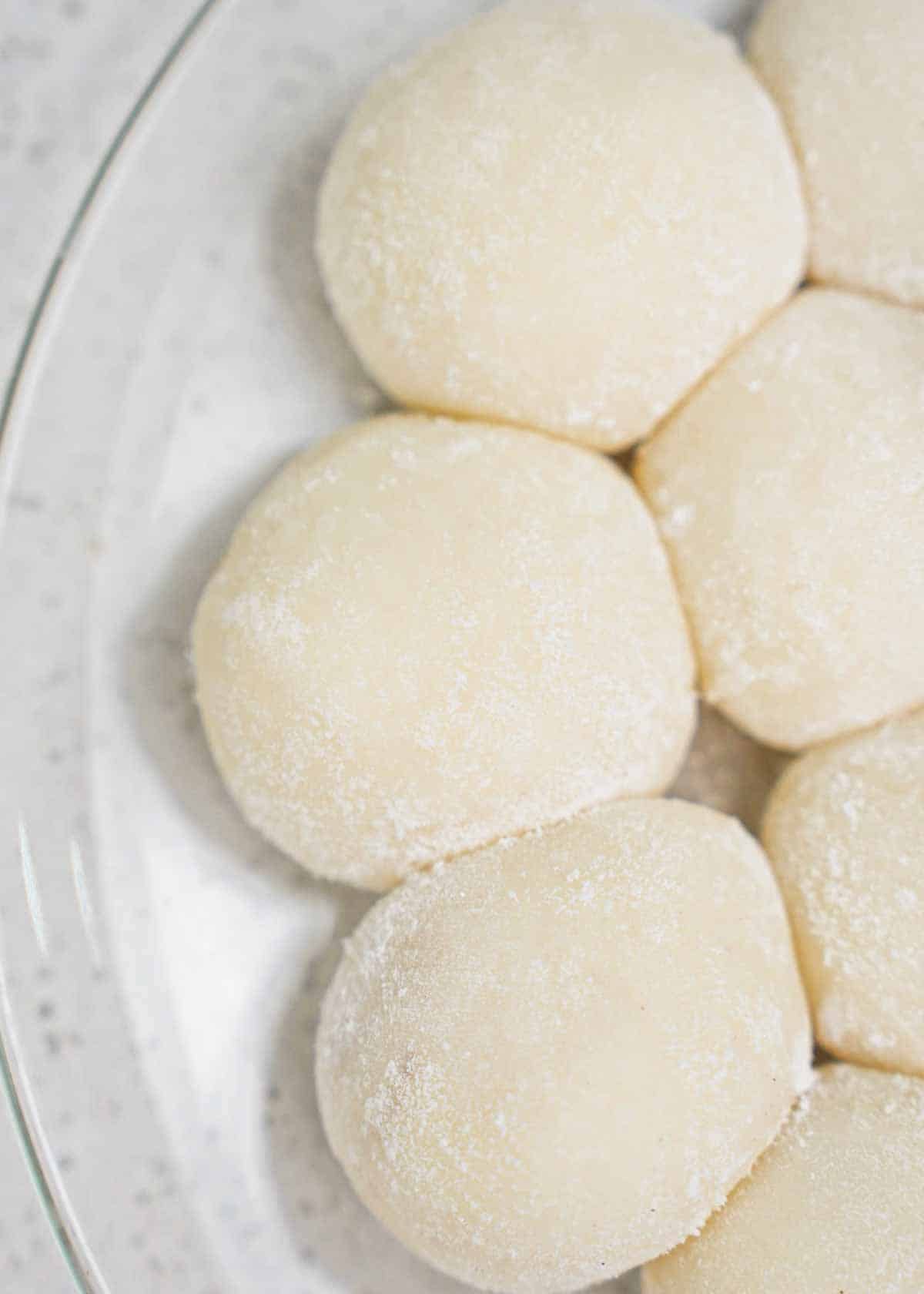
Divide the mochi into 10 balls, then dust each ball in a light coating of cornstarch
-
Serve the mochi immediately with your choice of sauce and dip, I used melted biscoff and oreo crumbs, or store them in an airtight container for later enjoyment.
Love mochi? Find every type in one place in our complete guide to mochi recipes.




I love your content, but my Mochi’s failed. They weren’t stretchy and where really lumpy.
Absolutely fantastic. Easy, quick, and delicious. Turned out perfectly first time. This is the only recipe I have saved to my home screen! Thank you so much ????
So simple a great quick treat
THIS WAS AMAZING
!AMAZING!
Wonderful but it was VERY sticky at first but I got the hang of it! Great recipe, highly recommended
How thick should the dough be when you put in the filling?
Well, I love it
Thank you. Can’t wait to try your other mochi recipes soon!
Used your recipe for my first time ever making mochi and it worked beautifully! I filled mine with strawberry whipped cream, delicious!
I felt it was wrong at the start and some people didn’t like it. But it’s really easy and tasty
I used an oven and you didn’t specify how long for ovens and it was to liquify
Hey, Catherine!! This recipe is absolutely delicious as written, but a question—I follow the directions, but when I’m trying to knead with my hands coated in oil, but it’s so sticky that I can’t get it to the state it needs to be in. I eventually ended up dousing it in cornstarch, but I can’t figure out what I was doing incorrectly (in the video, it seemed so effortless!). Is it easier with plastic gloves versus oil? Once I got it unstuck, definitely delicious though!
I recently had to go gluten free and bought some glutinous rice flour for baking! I was overjoyed to discover how easy these are to make! They are my favorite topping for froyo! I whipped these up in under 30 minutes! Only thing I did differently is I used corn starch to knead it…even with greased hands it still stuck to me! I’m going to make some caramel sauce to drizzle them with! Thank you!
I made this and it was wonderful! so simple and tasty!(I have to try the Baked Mochi Donuts next!) but i have a question. I want to make these for a family member but she likes sugar substitutes(stevia, stuff like that.) and i was wondering if i could use sugar substitute in the recipe? or will it not work?
Love your recipe mine’s texture was ok but yours looks great! Tastes great too ❤️
I think it turned out great even though I forgot some good advice from you (My bad 😜) but other than that I really think it’s turned out great. Thanks!
I think it turned out great even though I forgot some good advice from you (My bad 😜) but other than that I really thought I made it good. Thanks!
I think it turned out great even though I forgot some good advice from you (My bad) but other than that I really thought I made it good. Thanks!
Could I use oat milk for this?