
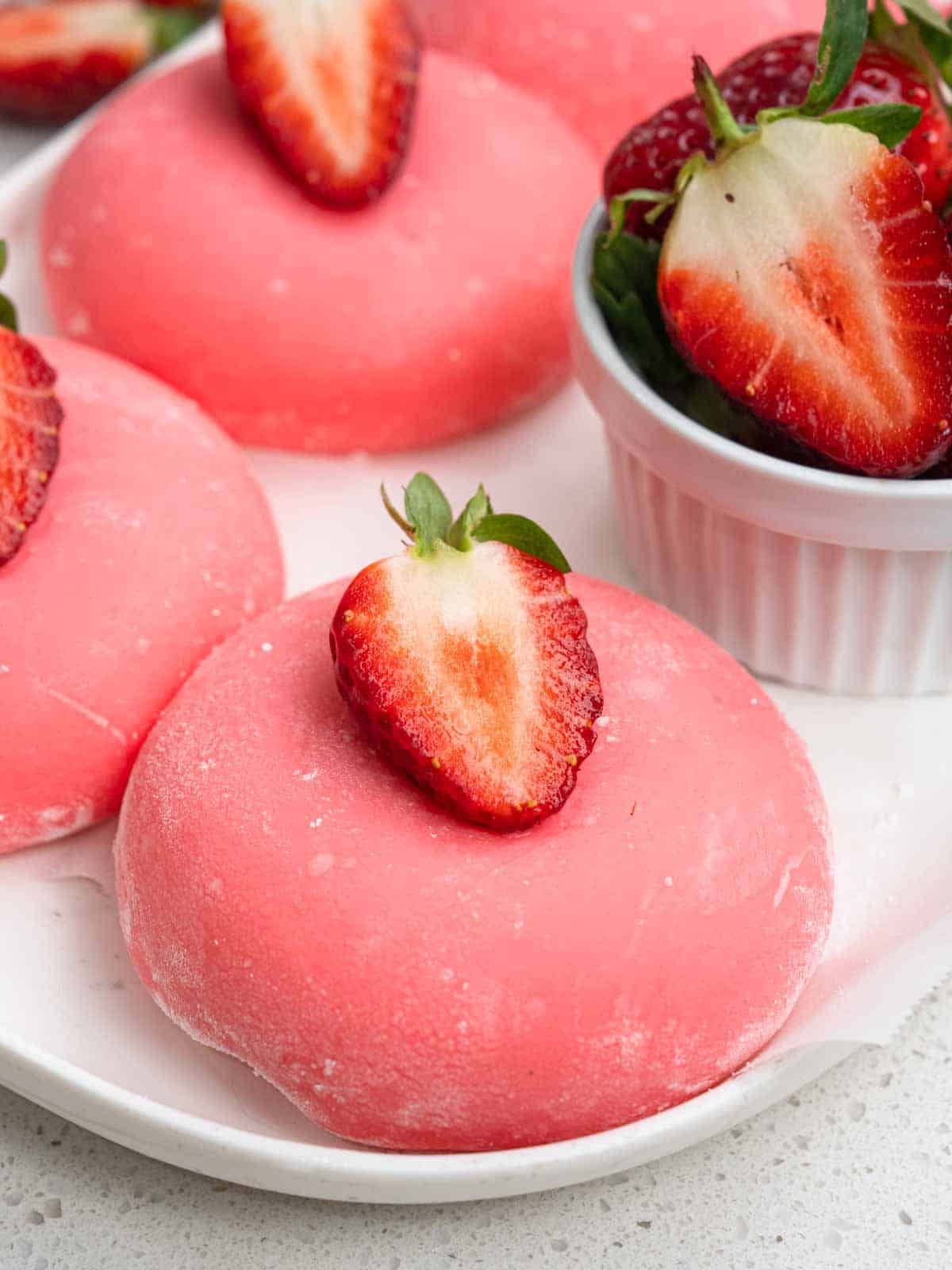
Indulge guilt-free in our chewy, sugar-free mochi delights filled with a creamy cream cheese filling and strawberry jam!
What is sugar-free mochi?
Sugar-free mochi is a delightful, chewy Japanese dessert made without refined sugar. It’s a healthier twist on the traditional mochi, offering the same sweet, fruity taste but in a guilt-free version.
Origin: This tasty treat hails from Japan, a country known for its unique and flavorful desserts. Mochi has been enjoyed for centuries, especially during festivals and celebrations.
How to Make It: Creating sugar free mochi involves making a sweet strawberry filling, preparing the mochi dough, and then wrapping the filling in the dough. It’s a simple process that’s fun and rewarding.
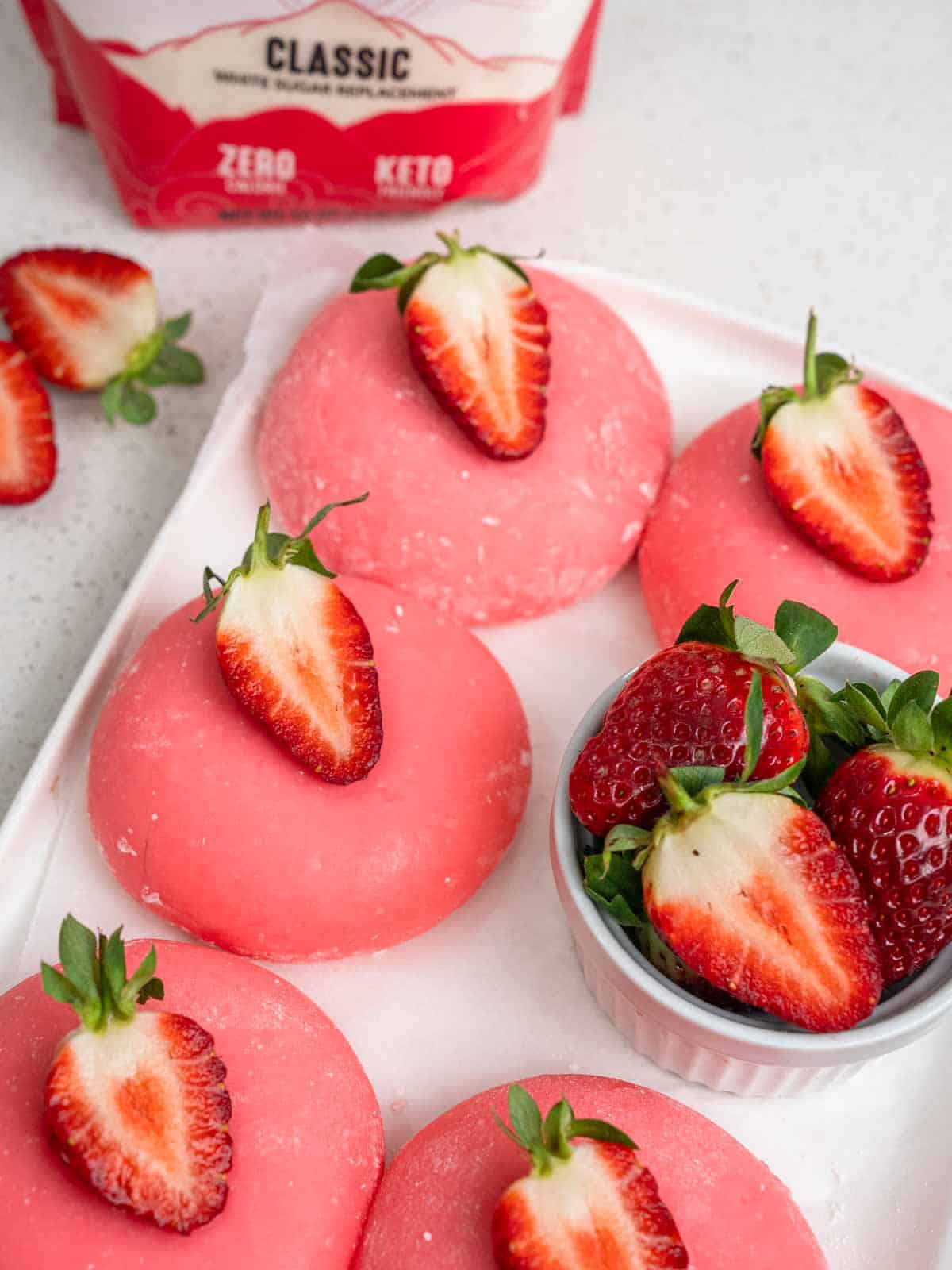
Ingredients
Strawberry Jam
- Strawberries, roughly chopped: These provide the fruity base for the filling, adding natural sweetness and a burst of flavor.
- Sweetener: A sugar-free sweetener keeps the jam deliciously sweet without any added sugar.
Mochi
- Glutinous rice flour: This is the star ingredient, giving the mochi its signature chewy texture.
- Sweetener: Keeps the mochi sweet without using sugar.
- Corn starch: Helps to dust the mochi, preventing it from sticking.
- Whole milk: Adds creaminess and helps bind the dough.
- Pink food coloring: Gives the mochi a lovely pink hue.
- Vegetable oil: Keeps the dough smooth and prevents it from drying out.
Whipped Cream
- Thickened cream: Creates a rich, fluffy texture.
- Cream cheese, softened: Adds a slight tang and creaminess.
- Sweetener: Ensures the whipped cream is sweet without sugar.
Assembly
- Cornstarch for dusting: Essential for dusting the work surface and the mochi to keep them from sticking.
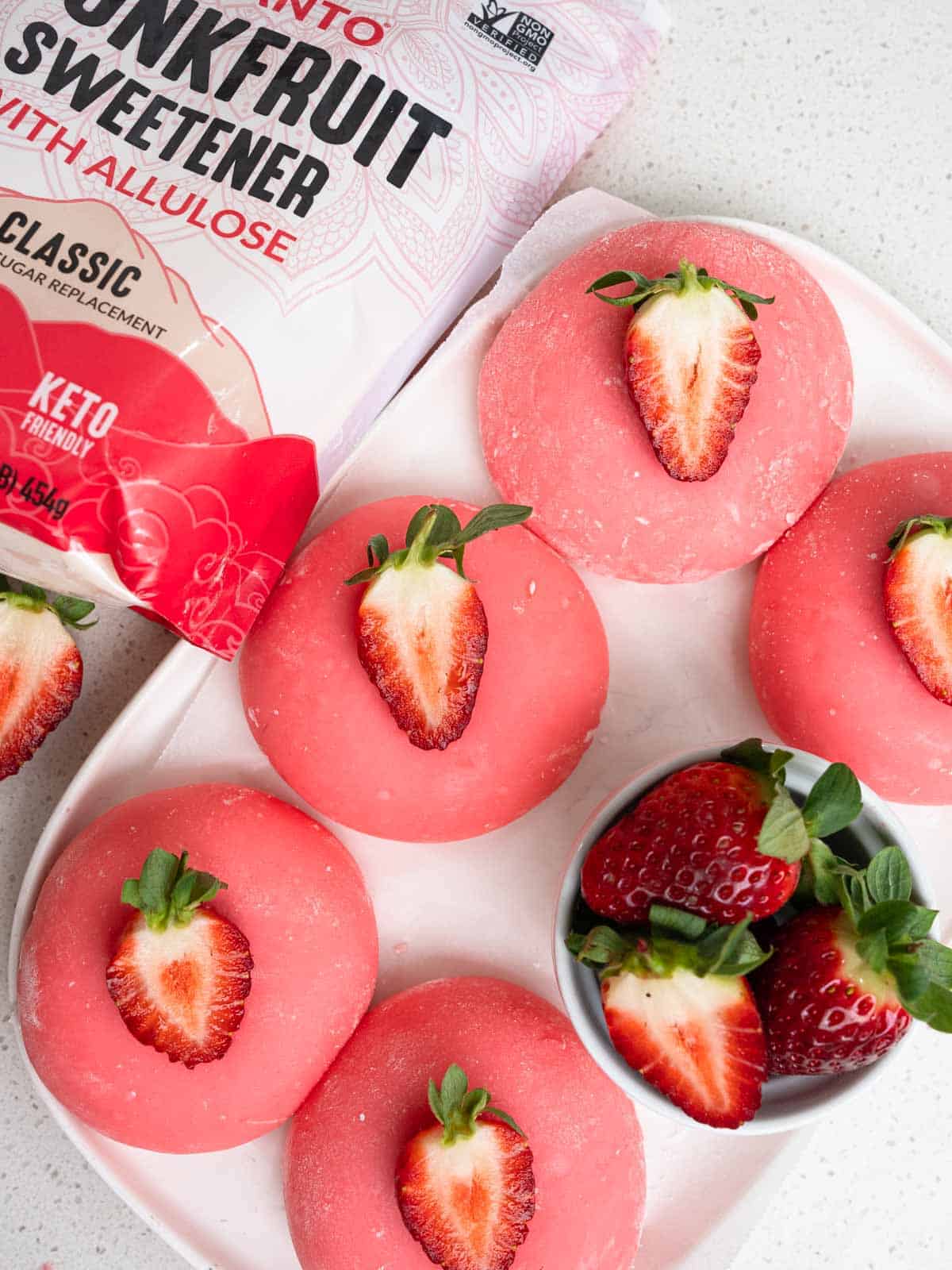
Tips for Perfect Sugar-Free Mochi
- Ensuring the Right Consistency: The consistency of your mochi dough is crucial. If it’s too sticky, add a bit more glutinous rice flour. If it’s too dry, mix in a little more water. It should be soft, stretchy, and easy to handle.
- Avoiding Common Mistakes: Avoid overcooking your mochi dough. Overcooked mochi can become tough and hard to work with. Keep an eye on it while cooking to maintain that perfect, chewy texture.
- Storage and Serving Suggestions: Store your sugar-free mochi in an airtight container to keep it fresh. You can also freeze them for later. Just thaw at room temperature before serving. Serve them as a delightful low-carb dessert for any occasion.
- Adjust Sweetness with Precision: Every sugar-free sweetener brings its own personality. Erythritol creates a subtle cooling sensation, while allulose melts seamlessly into the dough. Blend small portions and taste as you go to achieve balanced sweetness that complements rather than overwhelms the delicate chew of the mochi.
- Maintain the Perfect Chew: Sugar-free mochi can lose elasticity if overheated or under-hydrated. To maintain that signature soft bounce, knead the dough gently after cooking and allow it to rest for five minutes before shaping. The gentle stretch should feel almost silky between your fingers.
- Choose Your Cooking Method Wisely: Both steaming and microwaving yield excellent results, but steaming allows slower, more even cooking. If you use the microwave, reduce time intervals to thirty seconds and stir between each round to prevent hard edges. This ensures a smooth, even texture throughout.
- Use Temperature to Your Advantage: Cold fillings can cause the dough to seize and crack. Bring fillings to room temperature before wrapping to maintain flexibility. Conversely, slightly chilled dough is easier to handle and shape into perfect rounds without sticking.
- Keep Moisture Balanced: Humidity affects the final texture. In dry climates, cover the mochi dough with a damp cloth while working to retain moisture. In humid environments, dust lightly with cornstarch to prevent stickiness without dulling the surface sheen.
- Refine the Finish: Before serving, lightly brush each mochi with a thin glaze made of milk and a hint of sweetener. It adds a professional, glossy finish that resembles patisserie-quality confections and helps seal in moisture for longer freshness.
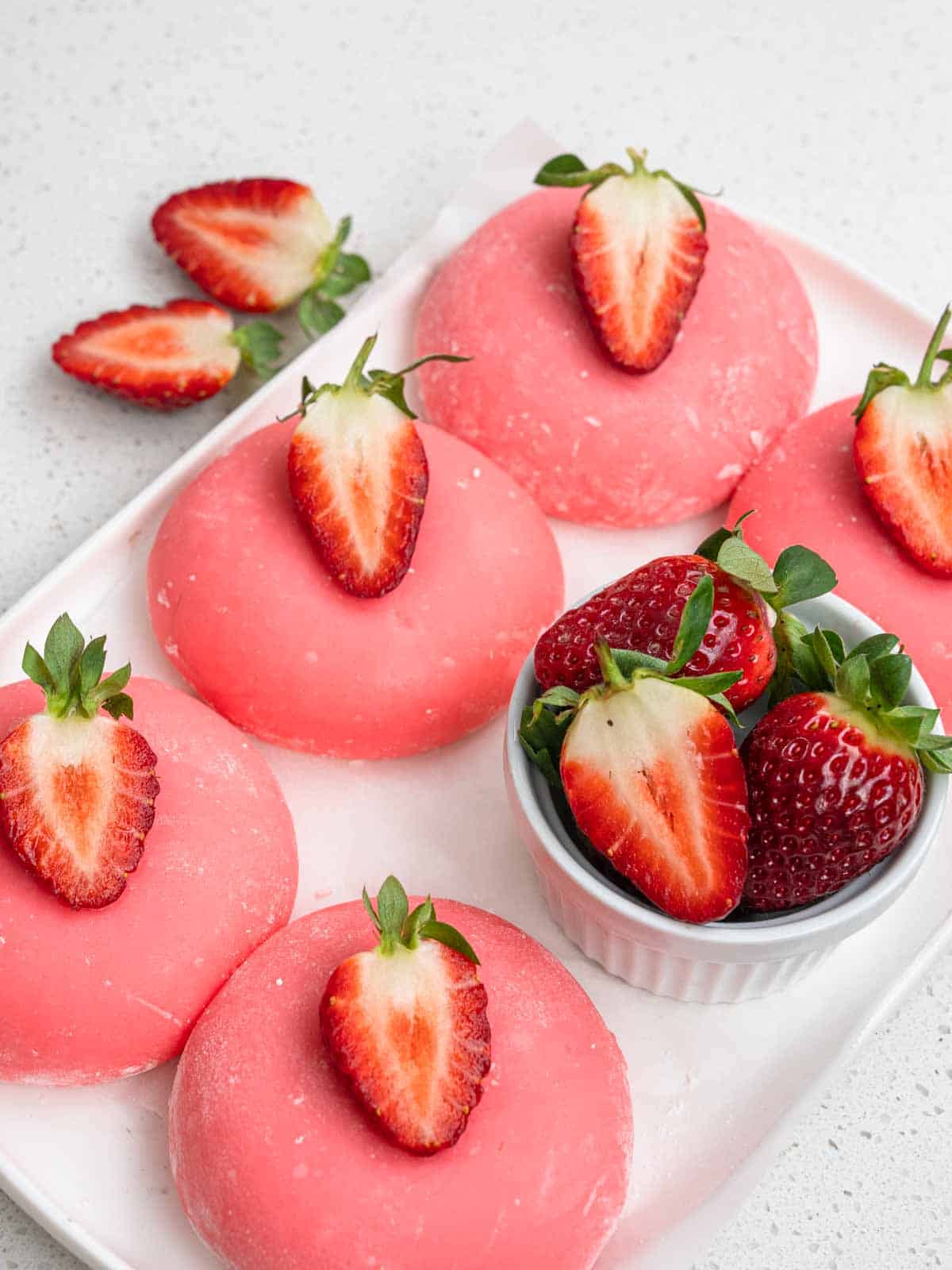
Variations
- Vegan Mochi Tips: To make vegan mochi, substitute whole milk with coconut milk. This makes the mochi dairy-free and vegan-friendly. You can also use a vegan sweetener like stevia or monk fruit.
- Flavor Variations: Don’t be afraid to experiment with different flavors! Try adding mango puree for a tropical mango mochi, or use coconut milk and shredded coconut for a delicious coconut mochi. The possibilities are endless!
- Matcha and Cream Cheese Mochi: Infuse the dough with high-quality matcha powder and fill with sugar-free cream cheese. The subtle bitterness of matcha complements the creamy tang for a sophisticated balance of flavors.
- Coconut Lime Mochi: Replace the milk with coconut milk and add a touch of lime zest to the filling. This version is light, fragrant, and brings a tropical brightness perfect for warm days.
- Chocolate Hazelnut Mochi: Combine unsweetened cocoa powder and crushed hazelnuts into the dough for a nutty depth. Fill with sugar-free chocolate spread for a rich, truffle-like experience.
- Almond Flour Keto Mochi: Swap the glutinous rice flour with almond flour to create a keto-friendly variation. This version is denser yet still soft and ideal for those following low-carb lifestyles.
- Mango Passionfruit Mochi: Puree mango and passionfruit together and fold into the filling. The natural fruit sugars add vibrant sweetness while keeping the dessert refined-sugar-free.
- Ube Vanilla Mochi: Mix ube extract into the dough for an alluring purple hue and pair it with a vanilla cream filling. This combination adds visual charm and a subtly nutty aroma.
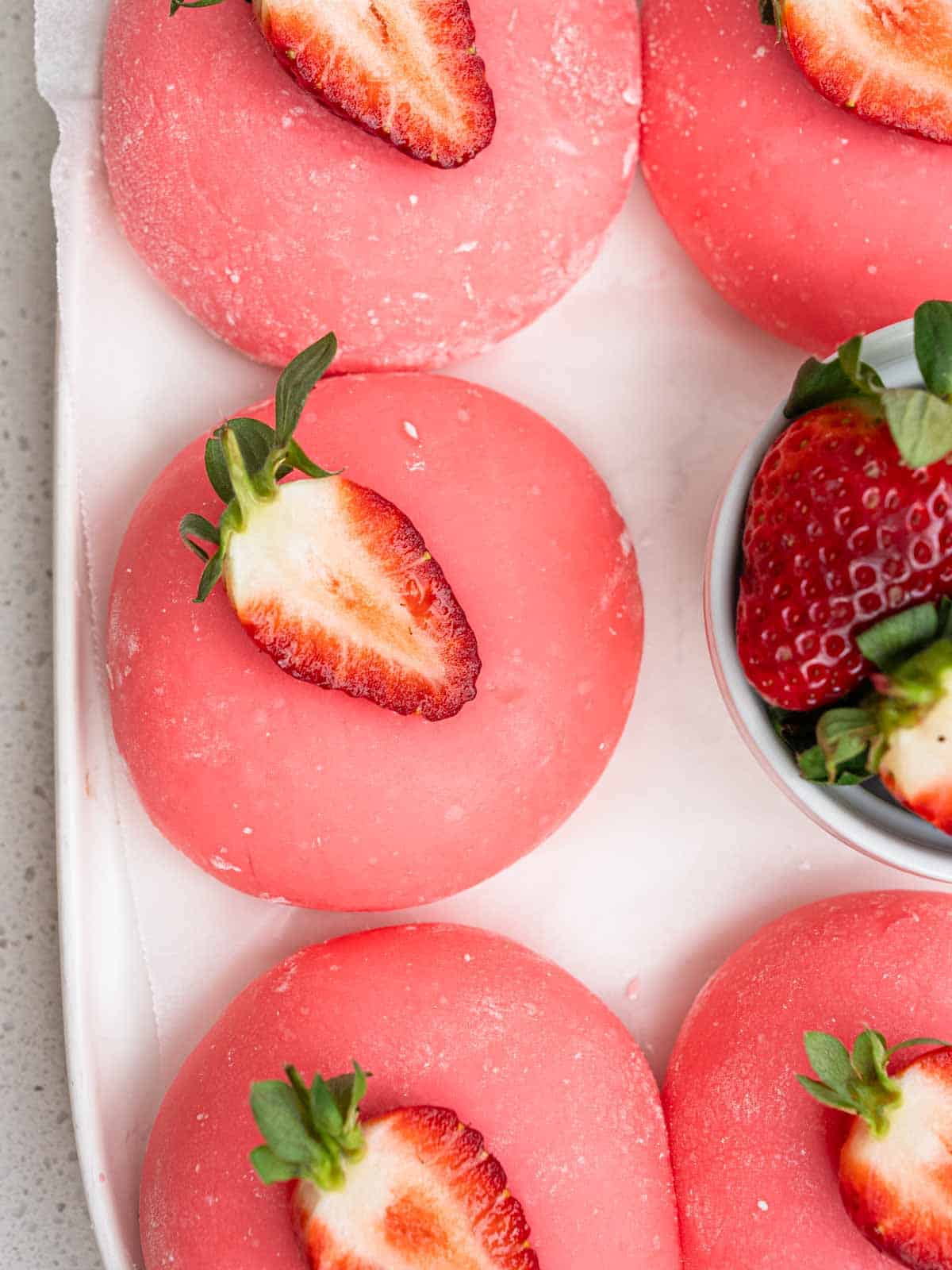
Serving sugar free strawberry mochi
- With Fresh Fruit: Serve your mochi with a side of fresh strawberries or mango slices. This adds a fresh, fruity touch.
- Drizzled with Sugar-Free Chocolate: Melt some sugar-free chocolate and drizzle it over the mochi for a decadent touch.
- Rolled in Coconut Flakes: Roll the mochi balls in unsweetened coconut flakes for a delicious texture and extra flavor.
- With a Dollop of Whipped Cream: Top your mochi with a dollop of sugar-free whipped cream. It’s a light and fluffy addition.
- Dusting of Matcha Powder: Lightly dust your mochi with matcha powder for a subtle, earthy flavor.
- Mochi Afternoon Tea Pairing: Serve sugar-free mochi with jasmine or sencha tea. The mild bitterness of the tea offsets the sweetness of the filling, creating harmony in every bite.
- Mochi and Yogurt Layered Parfait: Dice mochi into small cubes and layer with sugar-free yogurt and berries. This presentation adds texture and contrast, transforming a simple dessert into an elegant layered treat.
- Frozen Mochi Delight: Freeze mochi for a chilled version that softens gently at room temperature. The cool, chewy texture provides a refreshing contrast on hot days.
- Dessert Charcuterie Board: Combine assorted flavors of sugar-free mochi with other low-carb treats such as nuts, dried fruits, and small chocolate squares. It’s an ideal modern dessert platter for gatherings.
- Creamy Mochi Trifles: Layer mochi pieces between sugar-free whipped cream and fruit compote in glass cups. This style of presentation creates a visual balance between color, texture, and form.
- Celebration Mochi Tower: Stack alternating colors and flavors of mochi into a petite tower, secured with a touch of cream. This makes for a striking centerpiece during birthdays or tea ceremonies.
Common Mistakes to Avoid
- Overmixing the Dough: Too much stirring after the dough becomes cohesive can lead to a dense texture. Mix only until smooth and elastic to preserve softness.
- Neglecting Rest Time: Skipping the resting period can result in cracked mochi. Allow it to rest covered before handling so the starch settles and elasticity develops.
- Using Incorrect Flour: Not all rice flours behave the same. Always choose glutinous rice flour for authentic chewiness. Regular rice flour yields a crumbly, dry texture.
- Inconsistent Sweetener Distribution: Uneven mixing of sweeteners leads to irregular sweetness and texture. Dissolve sweetener fully into the liquid ingredients before combining with flour.
- Improper Storage Conditions: Leaving mochi uncovered in the refrigerator dries it out quickly. Store in an airtight container lined with parchment paper to maintain its supple texture.
- Filling Too Wet or Too Dry: Overly wet fillings can break through the dough, while dry fillings make the center crumbly. Adjust moisture to a creamy consistency before assembling.
Frequently Asked Questions
What is the best flour to use for mochi?
Glutinous rice flour is the best choice for making traditional mochi. It gives the mochi its signature chewy texture. For a low-carb twist, you can use almond flour or coconut flour.
How do I store sugar-free mochi?
Store your sugar-free mochi in an airtight container at room temperature for up to two days. For longer storage, you can refrigerate them for up to a week or freeze them for up to a month.
Can I freeze mochi?
Yes, you can freeze mochi. Place them in an airtight container or a ziplock bag, separating each piece with parchment paper to prevent sticking. Thaw at room temperature before serving.
What are some common mistakes to avoid?
Avoid overcooking the mochi dough, as it can become tough. Make sure to dust your work surface and hands with cornstarch to prevent sticking. Also, don’t skip the sweetener; it’s essential for the taste.
How can I make my mochi softer?
To make your mochi softer, ensure you don’t overcook the dough. Adding a bit more water during the mixing process can also help achieve a softer texture.
Can I make sugar-free mochi without rice flour
Yes, you can substitute almond flour or coconut flour for a lower-carb alternative. Each produces a slightly different texture, with almond flour yielding a tender, nutty result.
Which sugar substitute gives the best texture
Monk fruit sweetener provides smooth sweetness without a cooling effect, while erythritol adds structure and firmness. A combination of both often produces the most balanced chew.
How can I make my mochi softer after refrigeration
Steam the mochi for one to two minutes or microwave for ten seconds. This reactivates moisture and restores that soft, pliable chewiness.
How long can I store sugar-free mochi
Store in an airtight container at room temperature for up to two days or refrigerate for five days. For long-term storage, freeze for up to one month and thaw before serving.
Does sugar-free mochi taste different from traditional mochi
Sugar-free versions are lighter and slightly less sticky but share the same chewy satisfaction. Choosing natural sweeteners helps preserve the familiar flavor while lowering calories.
Can I add protein powder to the dough
Yes, a small amount of unflavored protein powder can be added for a more nutritious treat. Reduce the flour slightly to maintain the correct balance of moisture and elasticity.
Let’s Get Cooking
If you liked this recipe make sure to leave me a comment and rating down below. I’d love to know how it went! Also, don’t forget to tag me on Instagram @catherine.desserts.
Follow me on Facebook, Pinterest, YouTube, and TikTok for more of my baking creations and updates!
Sugar-Free Mochi

Indulge guilt-free in our chewy, sugar-free strawberry mochi delights!
- Prep Time: 30 minutes
- Cook Time: 5 minutes
- Total Time: 35 minutes
- Yield: 8 Mochi 1x
- Category: Mochi
- Method: Easy
- Cuisine: Asian fusion
Ingredients
Strawberry Jam
- 8 strawberries, roughly chopped
- 1/4 cup Sweetener of choice
Mochi
- 200g Glutinous rice flour (1 1/2 cup)
- 1/3 cup sweetener of choice
- 40g Corn starch (1/3 cup)
- 360ml Whole milk (1 1/2 cup)
- One small drop of pink food coloring
- 1 1/2 tbsp Vegetable oil
Whipped Cream
- 120g Thickened cream (1/2 cup)
- 200g Cream cheese, softened (7.05oz)
- 3 tbsp sweetener of choice
Assembly
- Cornstarch, for dusting
Instructions
Peach Jam
- Combine the strawberries and sweetener in a small saucepan
- Cook on medium heat for 5 minutes, stirring occasionally, until the strawberries have softened and the mixture is thick and jam-like
- Remove from the heat and cool in the fridge until chilled
Mochi
- Combine the glutinous rice flour, sweetener, and cornstarch in a medium-sized microwave-safe bowl, and whisk to combine
- Add the milk and food coloring, and whisk until smooth
- Cover the mochi mixture with cling wrap and microwave for 2 minutes on high
- Uncover and stir
- Then re-cover and microwave for another 2 minutes, the mochi dough should be semi-translucent
- If the mochi is still slightly liquidy/milky re-cover it and microwave at 1-minute intervals until cooked through
- Allow the mochi to cool enough to handle
- Add the vegetable oil and using gloved or oiled hands knead until smooth
- Prepare a baking tray lined with baking paper
- Divide the mochi into 8 equal portions and place on the baking sheet
Whipped Cream
- Combine the cream, crema cheese, and sweetener in a bowl and whisk until stiff peaks
- Transfer to a piping bag fitted with a medium-sized round tip and place it in the fridge to chill before use
Assembly
- Dust your work surface with cornstarch
- Roll one portion of mochi into a ball and place it on your work surface
- Dust it with more cornstarch and roll it out into a circle
- Get a small bowl or sauce dish and place the skin in the bowl
- Pipe a swirl of whipped cream on the mochi skin in the bottom of the bowl
- Top with a small scoop of jam
- Bring the edges of the mochi together to enclose the filling
- Use a pair of scissors to snip the end off, and dust with more cornstarch to get rid of any stickiness
- Turn the bowl over to reveal the perfect mochi!
- Repeat with the remaining mochi and filling
- Place in the fridge to set before serving
Love mochi? Find every type in one place in our complete guide to mochi recipes.



These look so delicious! If I don’t have a microwave, how do I make these mochi?
Wow I was looking forward to having my mochi and eat to, but looking at the nutrition chart 27.5grams sugar. Put this diabetic in a coma ????????
I’ve not tried to make this yet but my diabetic dad has recently discovered the joys of mochi and this will be the perfect treat to make him for fathers day. I’ll probably half the recipe to make less though and maybe do multiple batches, substituting different fruits each time.
What is the nutrition facts for the mochi dough without any filling?