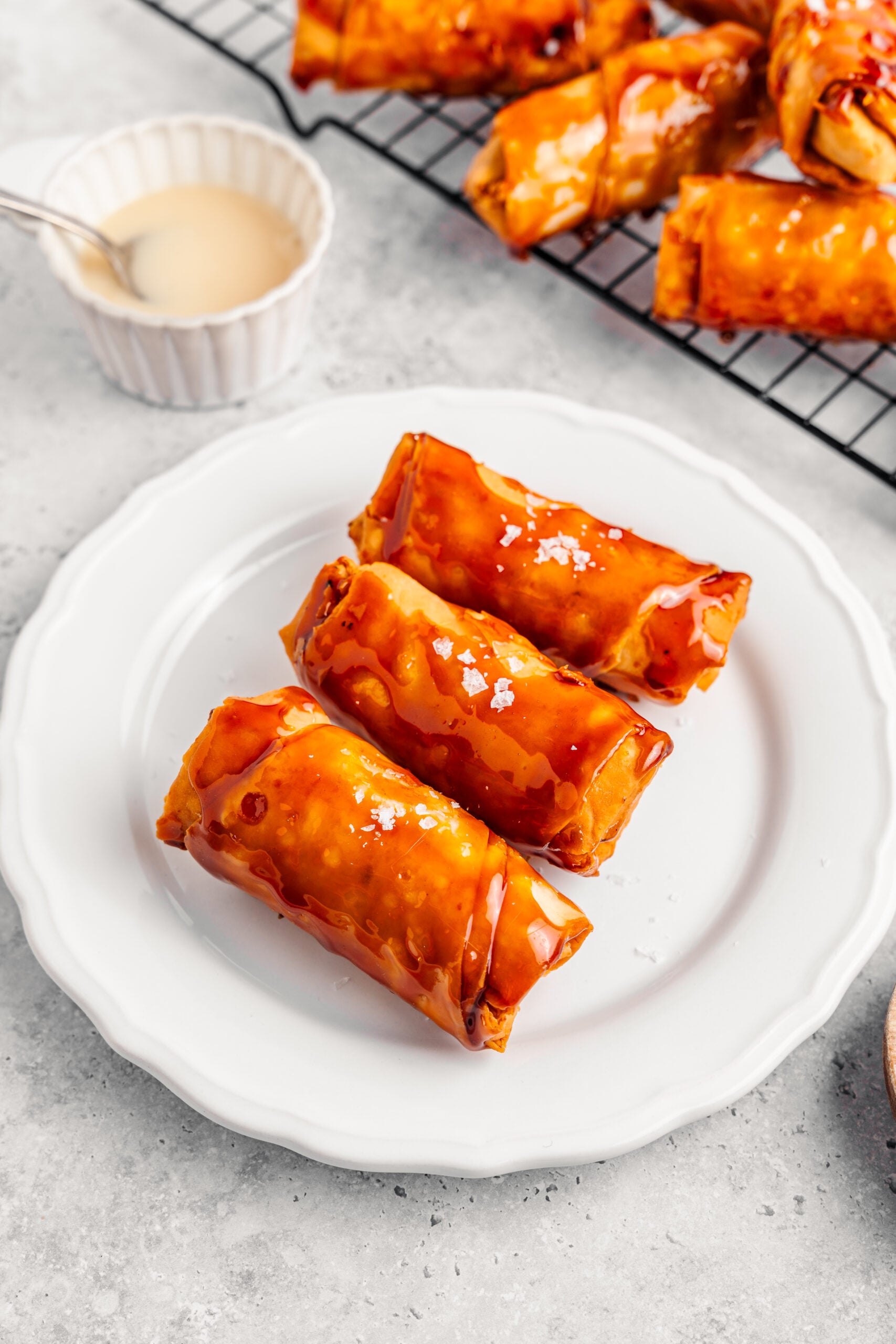
Crispy turon is the Filipino banana lumpia that shatters when you bite it, and the trick nobody tells you is that the caramel goes on after the frying, not during.
I spent years eating turon from a street cart in Manila without ever thinking about how it was made. The vendor kept a wok of oil going, a tray of rolled parcels beside it, and a pan of melted sugar that he turned each roll through with tongs before standing it upright in a paper cone. It took me until my fourth attempt at home to realise that separate caramel pan was the entire secret.
Most recipes tell you to fry the rolls in oil with sugar thrown in, which sounds efficient and produces a sticky, unevenly browned mess that goes soft in ten minutes. Frying clean and lacquering afterwards gives you a thin glass shell that stays crisp for the better part of an hour. My first batch of the proper method disappeared before I could photograph it, which is how I knew.
What Is Turon
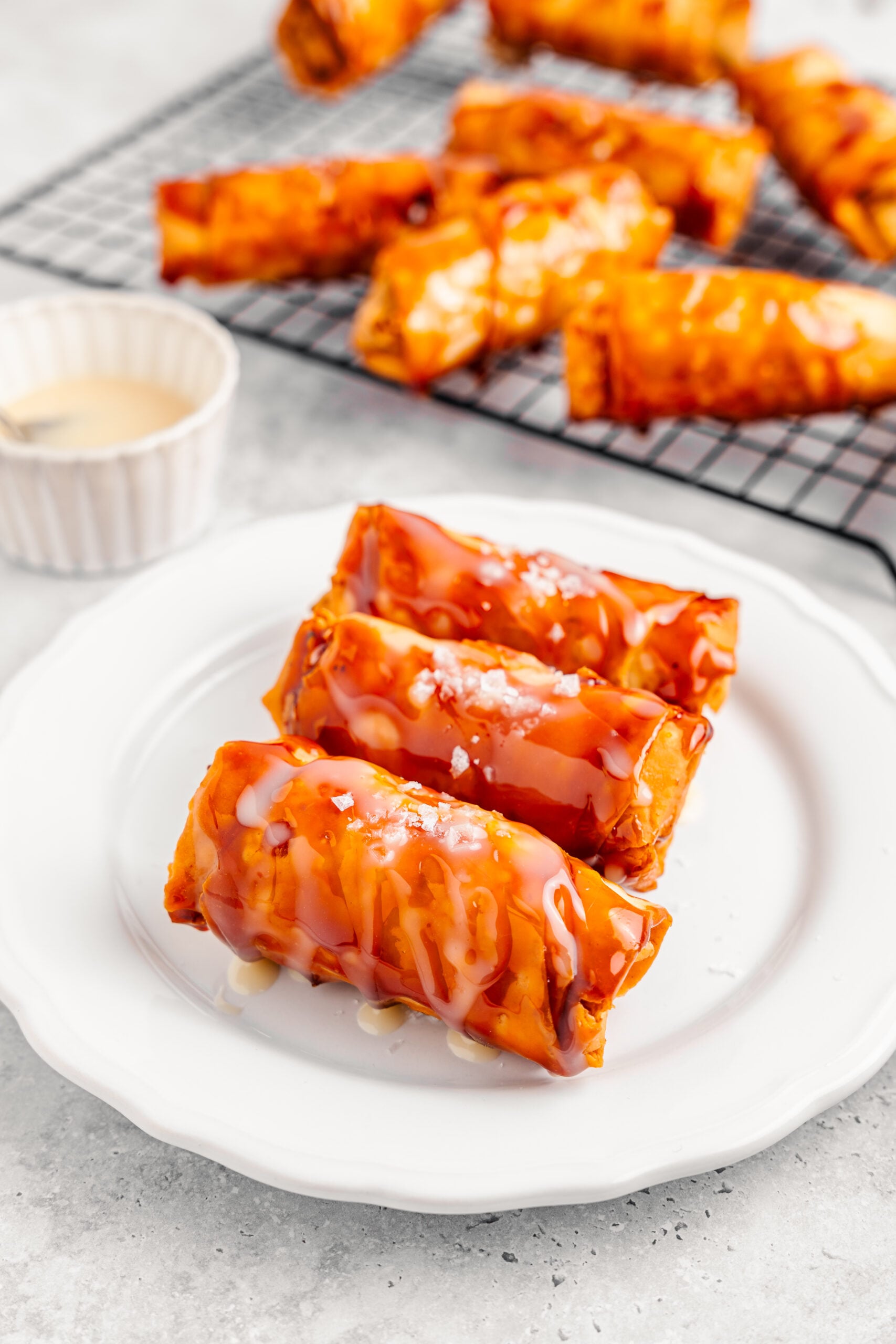
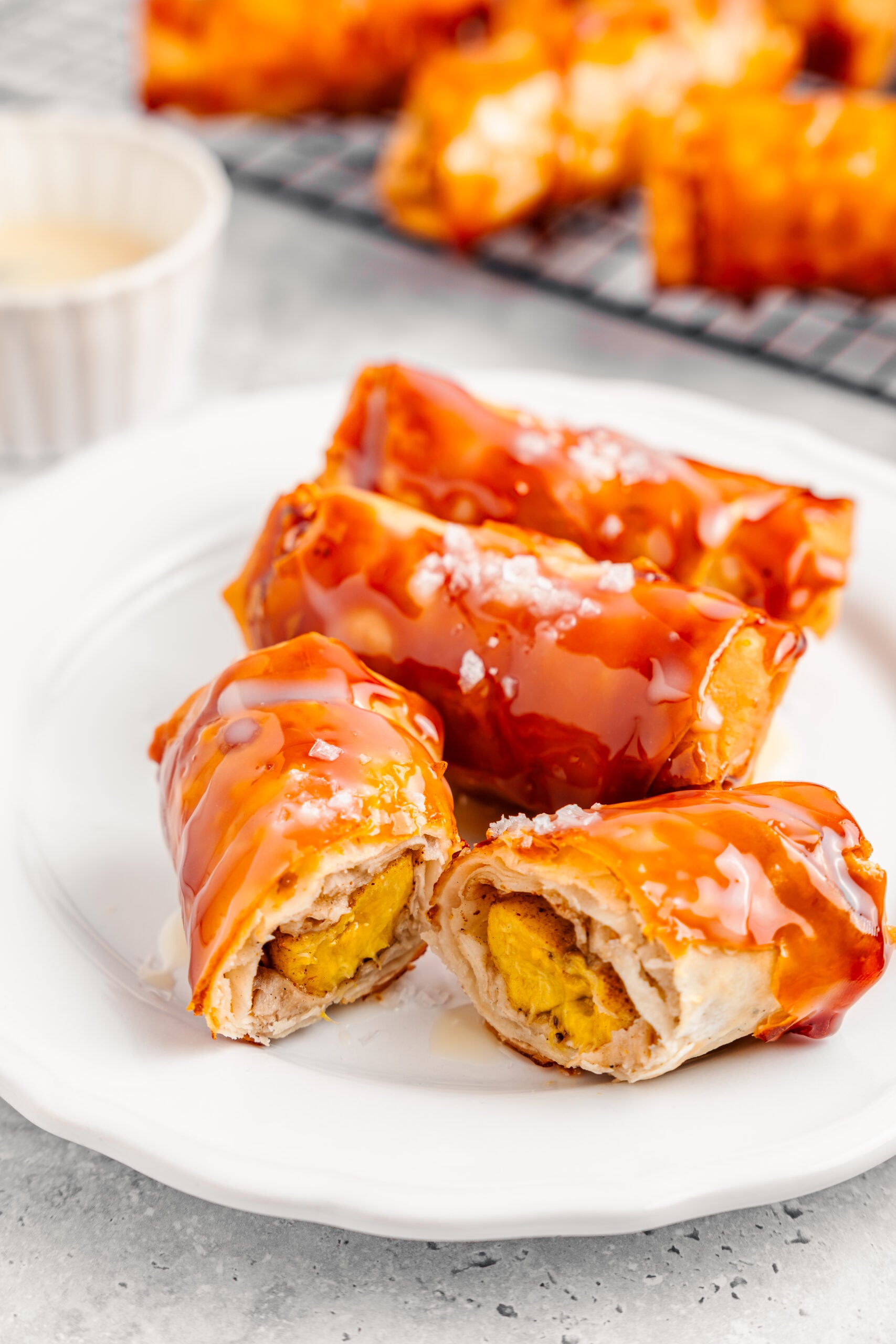
Turon is a Filipino merienda snack: ripe saba banana rolled in brown sugar, wrapped in a spring roll wrapper, and deep fried until the wrapper blisters and the sugar inside turns to syrup. It is sold on street corners all over the Philippines, usually two or three to a paper cone, and it is eaten hot and standing up. Some versions tuck a strip of jackfruit in alongside the banana.
What you get is a genuinely good contrast. The wrapper is thin and crackly, the banana inside collapses into something between a fruit and a custard, and the caramel shell on the outside snaps. It sits in the same family of Filipino sweets as biko and mango float, but it is the only one of the three that has to be eaten within the hour.
Where Turon Comes From
Turon belongs to the Philippine merienda tradition, the mid afternoon snack that sits between lunch and dinner and is treated as a proper meal in its own right. It is street food and school gate food, sold from carts alongside banana cue and camote cue, its close relatives made with skewered fried banana and sweet potato.
The wrapper is a Chinese inheritance, arriving through centuries of trade and settlement, and the name comes from Spanish. That combination of a Chinese wrapper, a Southeast Asian banana and a Spanish name is a fairly neat summary of Filipino food history in a single fried parcel.
How to Make Turon
There are three short stages. First you cut the bananas lengthways and press them into a mix of dark brown sugar, cinnamon and salt so they are coated on every side. Then you wrap each piece in a spring roll wrapper, folding it like a burrito and sealing the last corner with a paste of flour and water, which is what stops the whole thing bursting open in the oil.
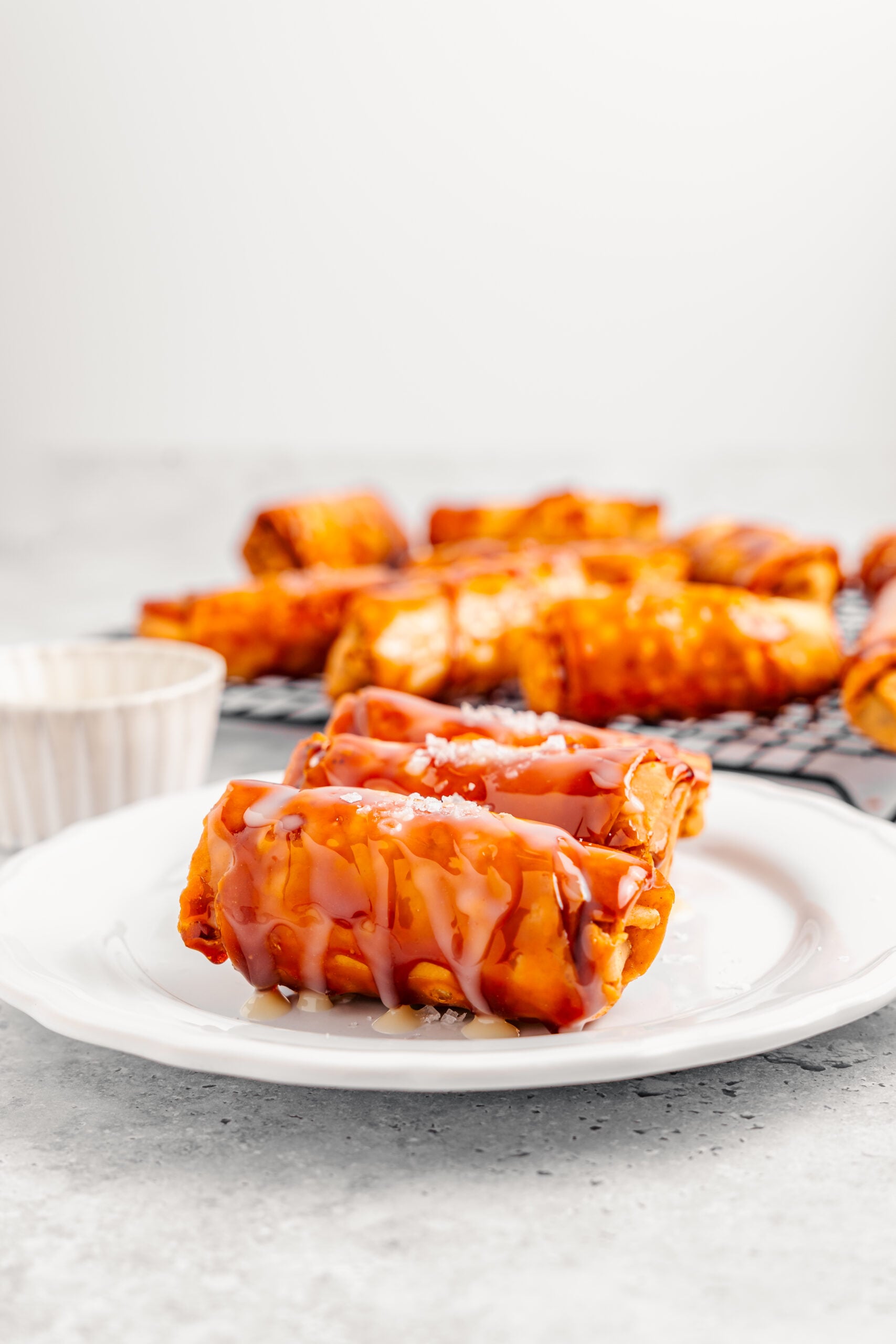
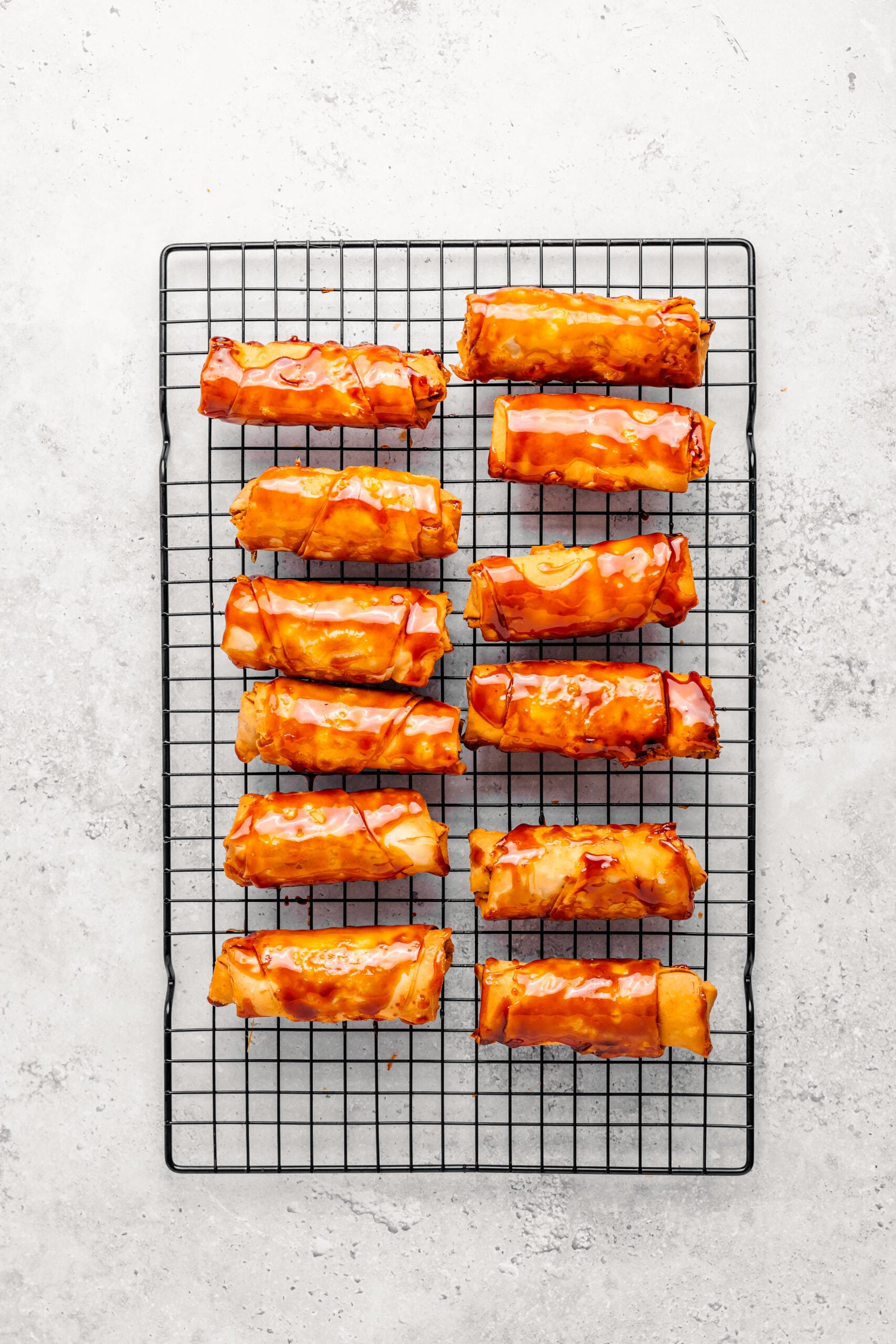
Then you fry at 175 C until deep golden, drain on a wire rack, and separately melt white sugar in a dry pan into a smooth amber caramel. Turn the fried rolls through the caramel two at a time and set them back on the rack, where the shell sets hard in under a minute. The whole thing takes about forty five minutes start to finish.
Turon At a Glance
| Serves | Prep | Cook | Rest | Total |
|---|---|---|---|---|
| 10 rolls | 20 minutes | 15 minutes | 10 minutes | 45 minutes |
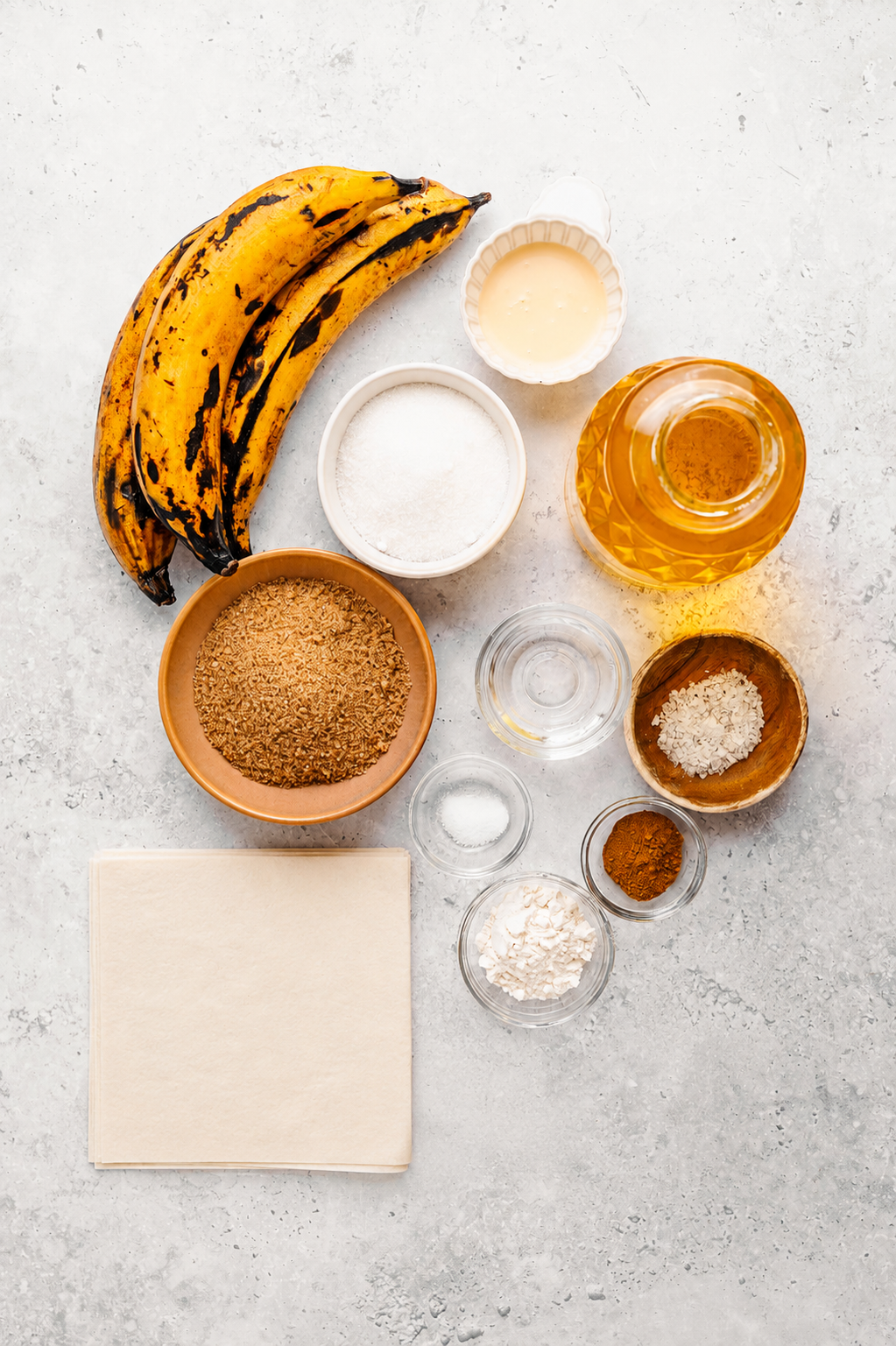
Ingredients
For the Filling
- Saba bananas or plantains: saba is the authentic choice because it holds its shape in hot oil instead of dissolving. Plantains are the easiest substitute outside Asian grocers, and the skins should be heavily spotted or nearly black before you use them. Ordinary Cavendish bananas work at a pinch but collapse, so cut them thicker.
- Dark brown sugar: pressed onto the banana so it melts into syrup inside the sealed wrapper as it fries. Dark rather than light, because the molasses is what makes the filling taste like turon rather than like a fried banana.
- Ground cinnamon: half a teaspoon through the sugar. It is a small amount doing a lot, rounding off the sweetness and giving the filling warmth against the neutral wrapper.
- Fine salt: a pinch in the sugar mix. Without it the filling reads as flatly sweet and you notice the sugar rather than the banana.
- Jackfruit (langka): optional and traditional either way. A few thin strips laid alongside the banana add a floral, slightly bubblegum note. Canned in syrup is fine, just drain it well and pat it dry or the wrapper will steam.
For the Wrappers and Seal
- Spring roll wrappers: the thin kind, not egg roll wrappers, which are thicker and go bready rather than crisp. Keep the stack under a damp tea towel while you work because they dry out and crack within minutes of being separated.
- Plain flour and water: whisked into a smooth paste, this is the glue that seals the final corner. It is the difference between a tidy roll and a burst one leaking sugar into your oil.
For Frying and the Caramel Shell
- Neutral oil: canola or sunflower, enough for about 4 cm depth. It needs a high smoke point and no flavour of its own, and you want enough volume that the temperature does not crash when the rolls go in.
- White sugar: melted alone in a dry pan for the caramel shell. White rather than brown here, because it melts cleanly into a clear amber and sets into a glass like lacquer instead of staying tacky.
Optional: My Favourite Extras That Add a Little Magic
- Sweetened condensed milk: drizzled over the finished rolls. It is how they are often served and the dairy sweetness against the caramel and the salt is genuinely excellent.
- Flaky salt: a small pinch across the caramel while it is still tacky. This is my favourite addition to the whole recipe and it stops the rolls tipping into too sweet.
- Toasted sesame seeds: scattered on the caramel before it sets, adding a nutty crunch and making the rolls look considerably more deliberate.
- A splash of rum in the sugar: half a teaspoon of dark rum stirred through the brown sugar mix. It cooks off in the oil and leaves behind a molasses depth that suits the banana.
Substitutions: Smart Ingredient Swaps That Still Taste Amazing
- Cavendish for saba: use very ripe ones, cut them thicker than you think, and fry a minute less. They collapse more than saba does but the flavour is still good.
- Filo or samosa pastry for spring roll wrappers: both fry crisp and both work. Filo needs two layers brushed with oil and gives a flakier, less snappy result.
- Coconut sugar for dark brown sugar: a natural fit that pushes the filling more caramel and less molasses. Use the same quantity.
- Air fryer instead of deep frying: brush the rolls with oil and cook at 190 C (375 F) for 10 to 12 minutes, turning once. They come out crisp but noticeably paler, which makes the caramel step matter even more.
Steps
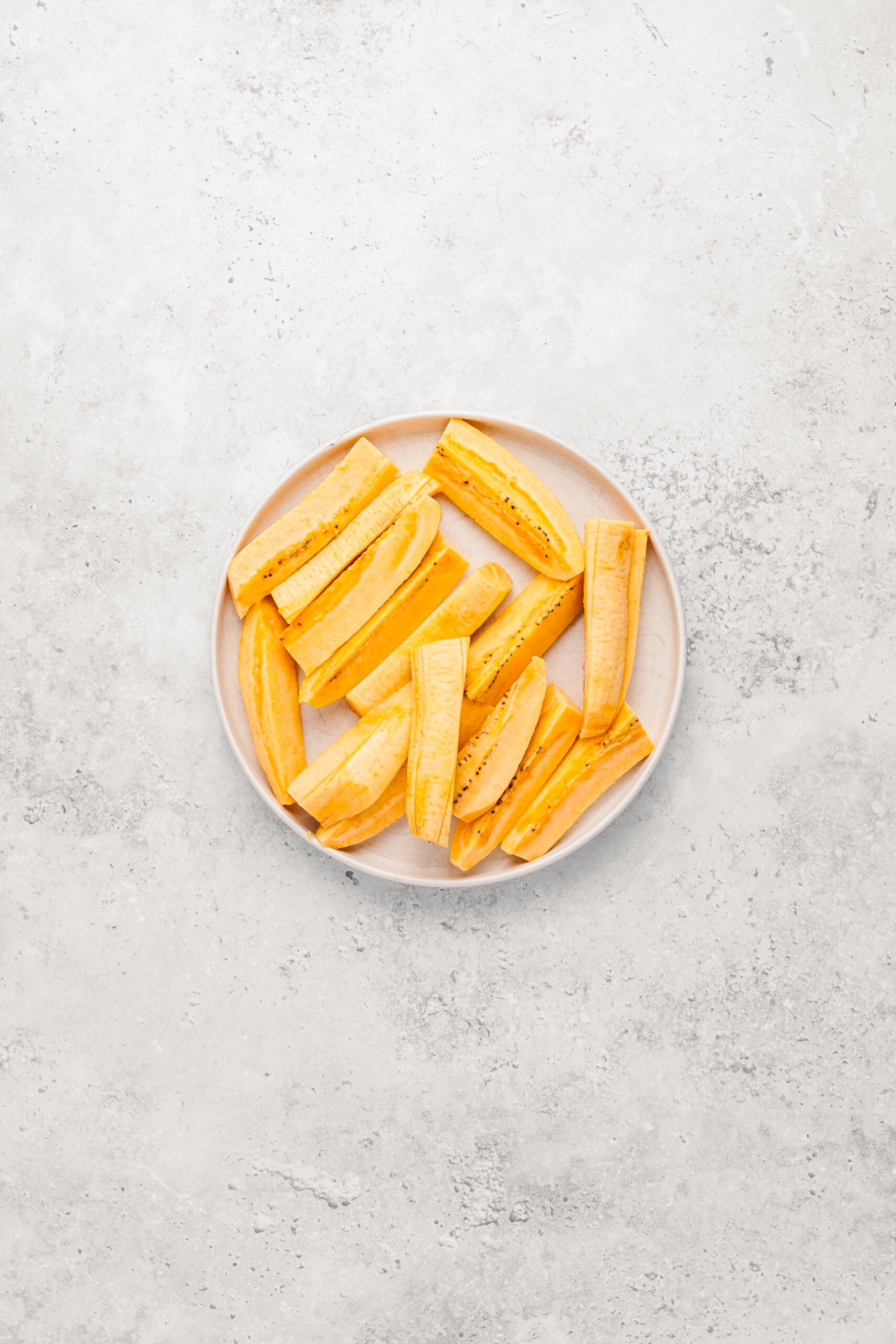
- Peel the bananas and cut each one in half lengthways. If using plantains, cut them lengthways into strips roughly 1.5 cm thick and 12 cm long. You want flat pieces that sit neatly inside the wrapper, not chunks that make the roll bulge.
- Stir the brown sugar, cinnamon and salt together in a shallow bowl. Press each banana piece into the mixture so it is coated on all sides, then set the coated pieces on a plate. Keep any sugar left in the bowl.
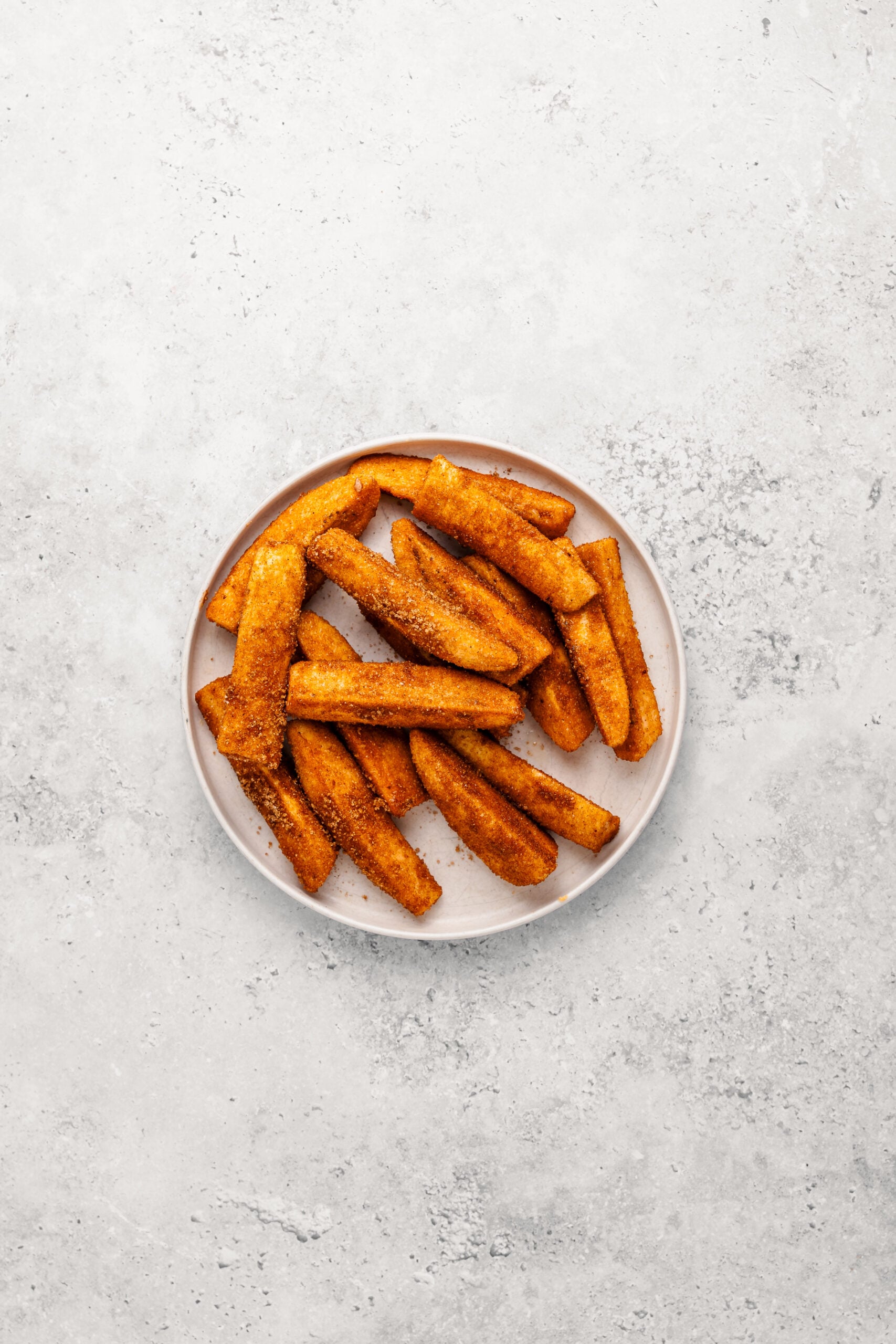
- Whisk the flour and water together in a small bowl to make a smooth paste. This is the glue that stops the rolls bursting in the oil, so do not skip it or substitute water alone.
- Lay a wrapper on the bench as a diamond, one corner pointing at you. Place a coated banana piece horizontally across the lower third, add a few strips of jackfruit alongside if using, and sprinkle over any sugar left on the plate.
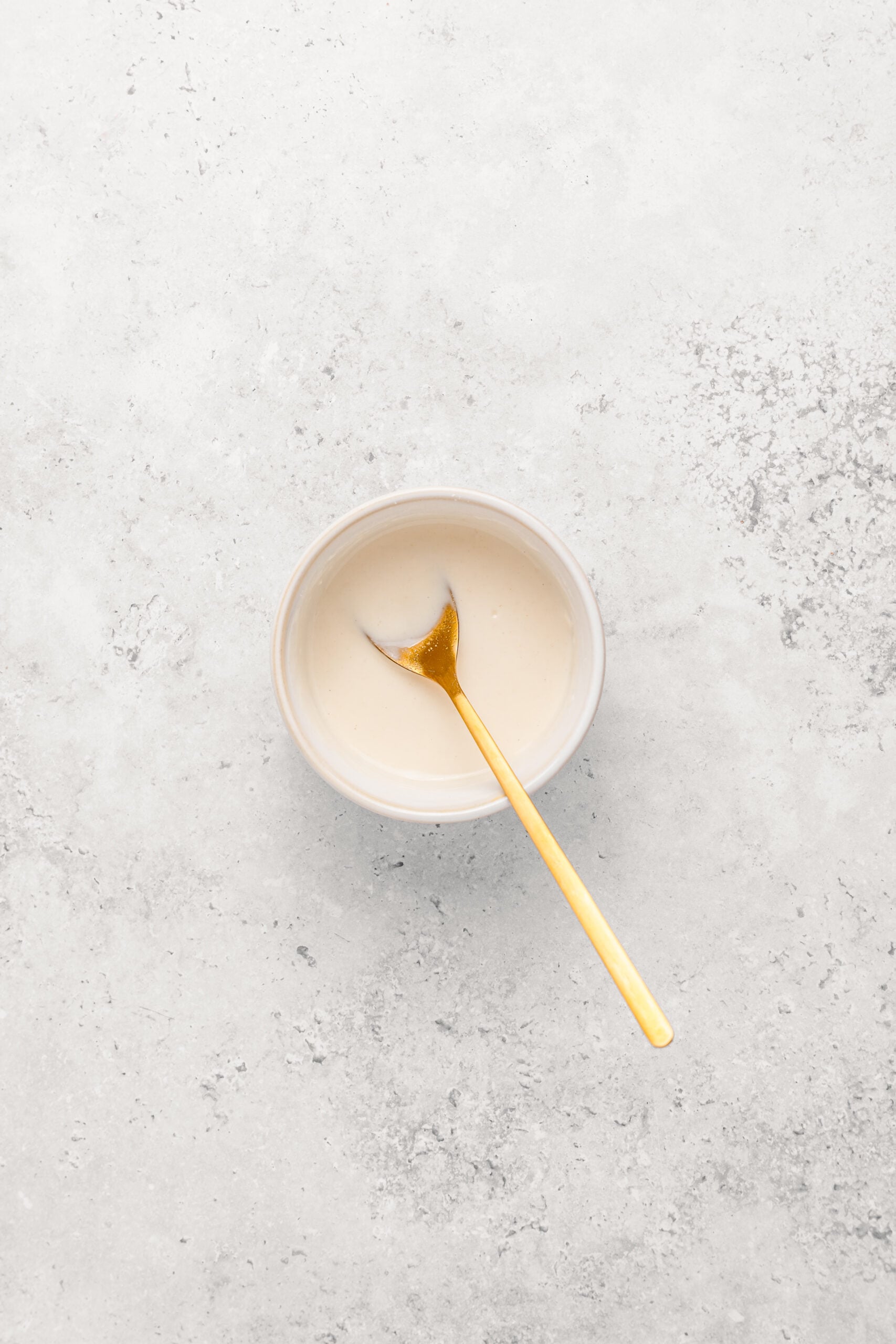
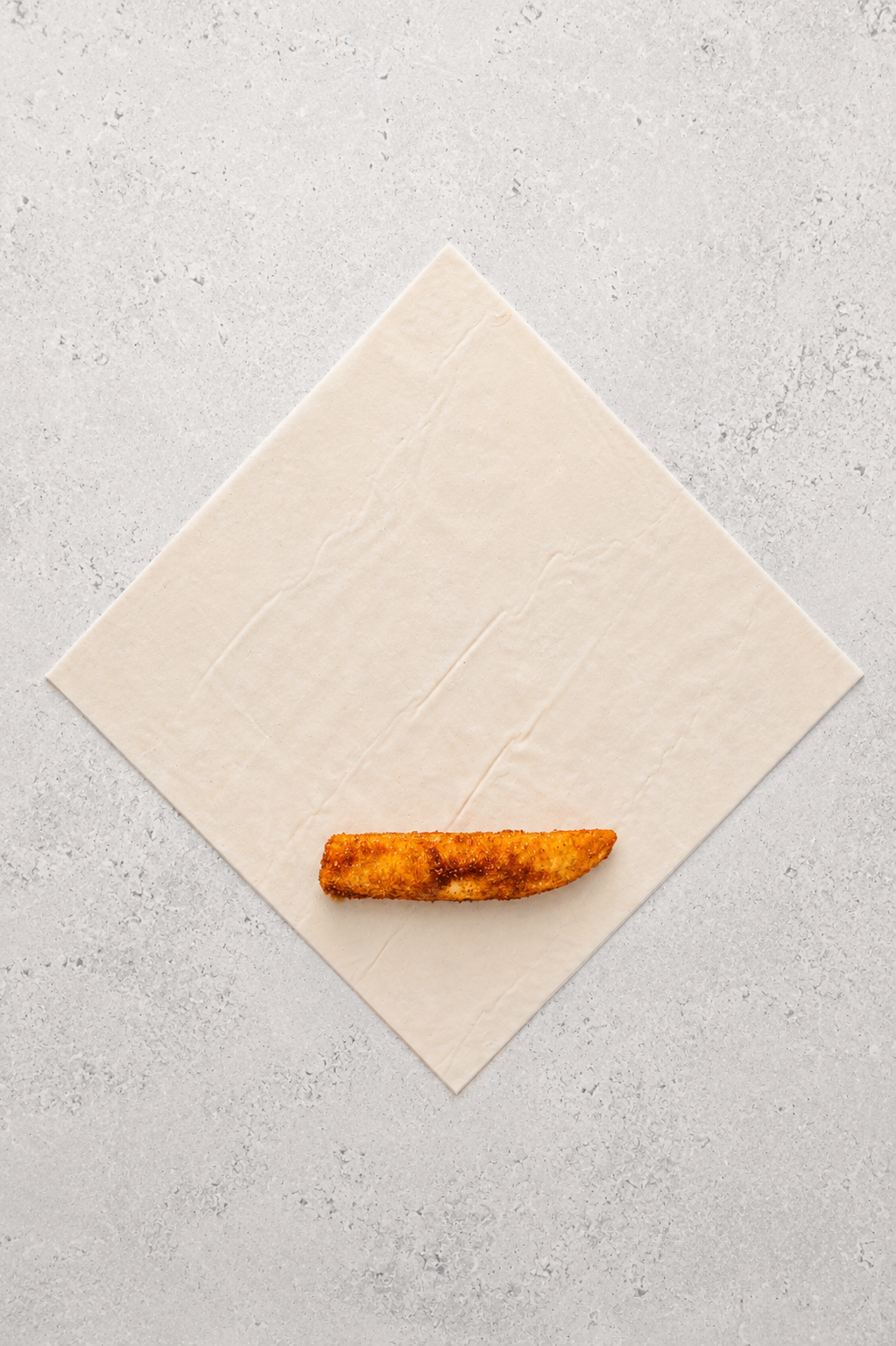
- Fold the bottom corner up and over the filling, tuck it under, then fold in the left and right corners. Roll up tightly, keeping the parcel snug. Brush the final corner with flour paste and press to seal. Repeat with the remaining wrappers, keeping the finished rolls under a tea towel.
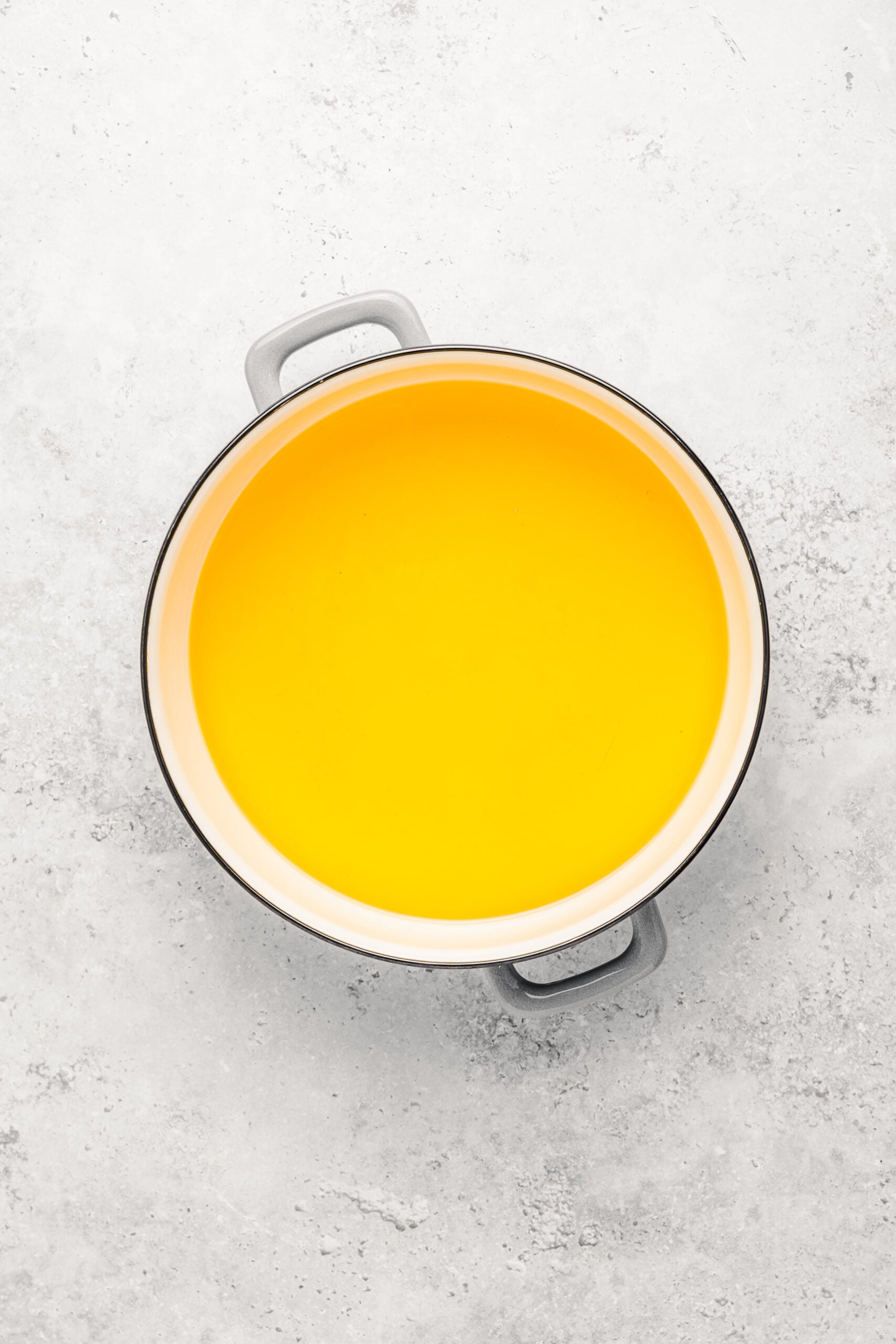
- Pour the oil into a deep pan to a depth of about 4 cm and heat to 175 C (350 F). If you do not have a thermometer, drop in a scrap of wrapper: it should sizzle steadily and turn golden in about 30 seconds.
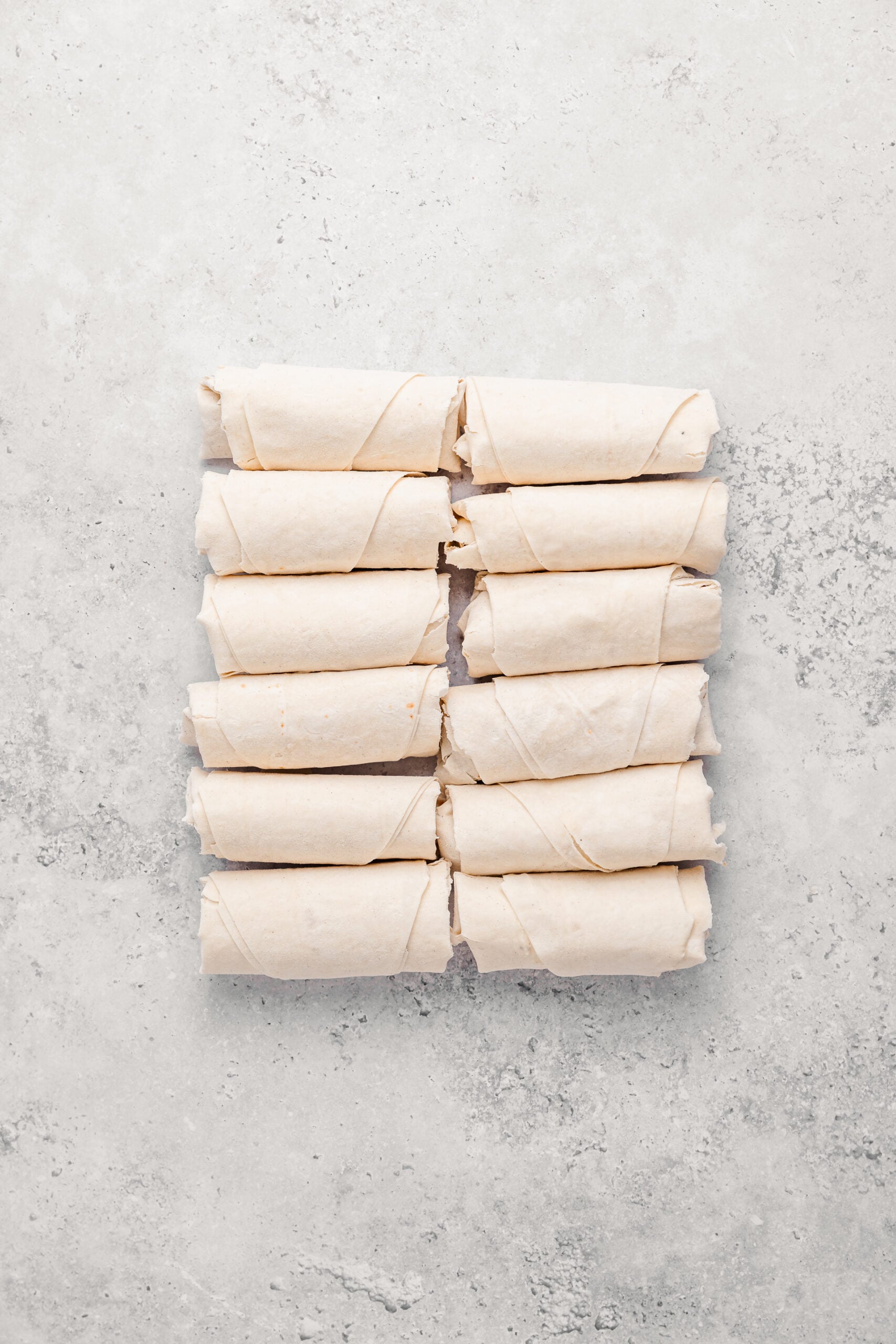
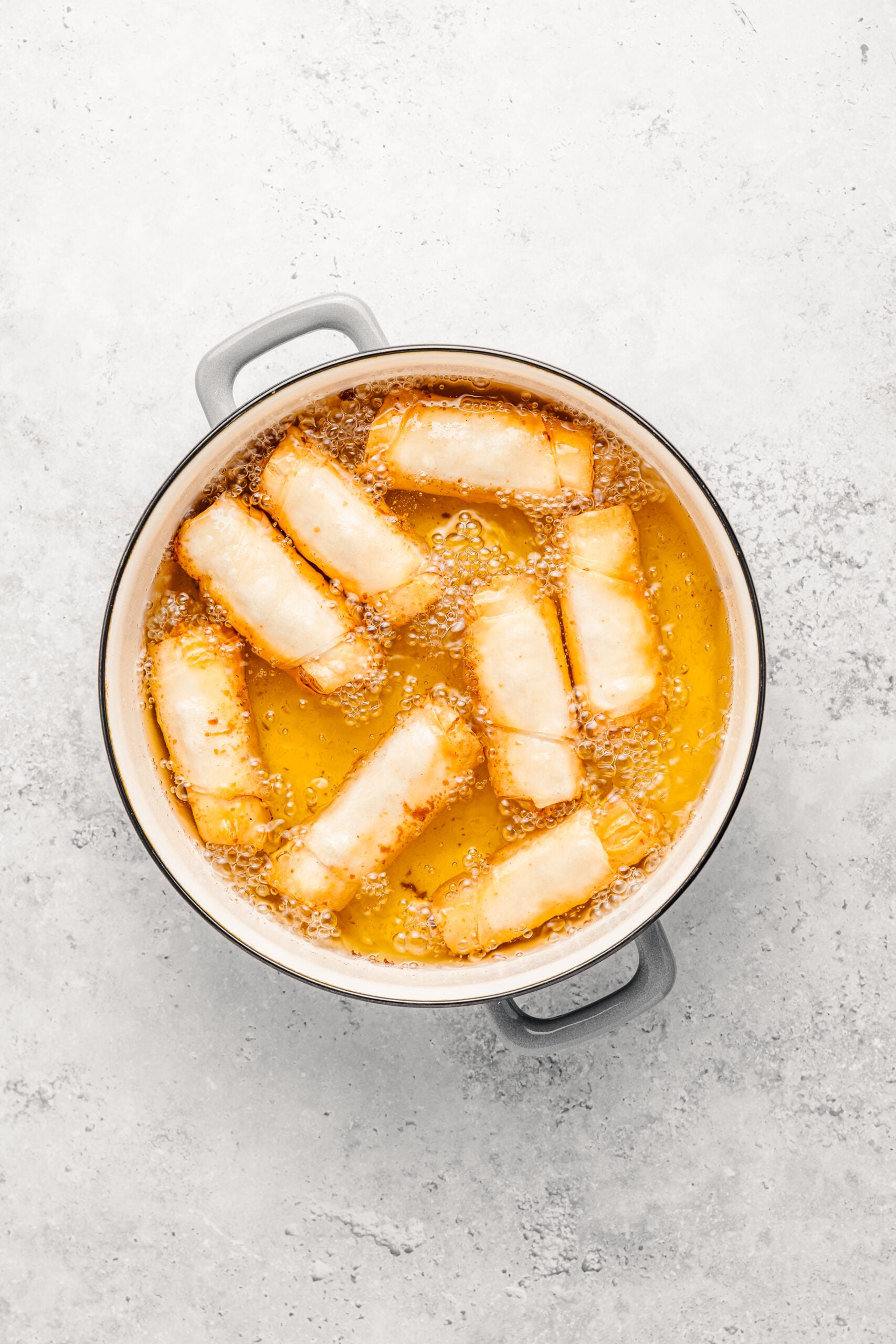
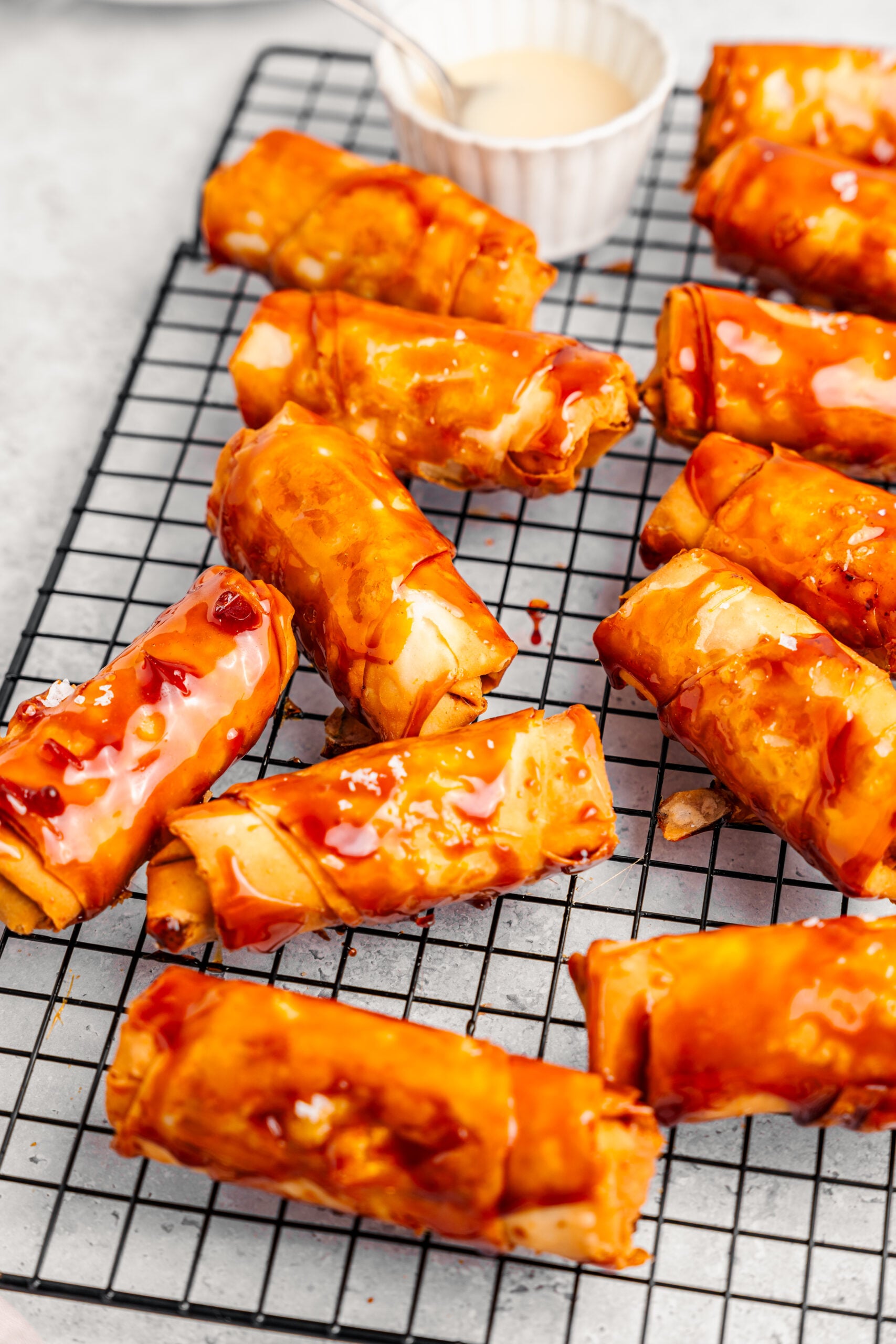
- Fry the rolls in batches of 3 or 4, seam side down first, for 3 to 4 minutes, turning once, until deep golden and blistered. Do not crowd the pan or the oil temperature drops and the wrappers drink oil. Lift them onto a wire rack, never onto paper towel, so the bottoms stay crisp.
- For the caramel shell, tip the white sugar into a clean dry frying pan over medium heat. Leave it undisturbed until it starts to melt at the edges, then swirl the pan, do not stir, until it becomes a smooth amber caramel, about 4 to 5 minutes.
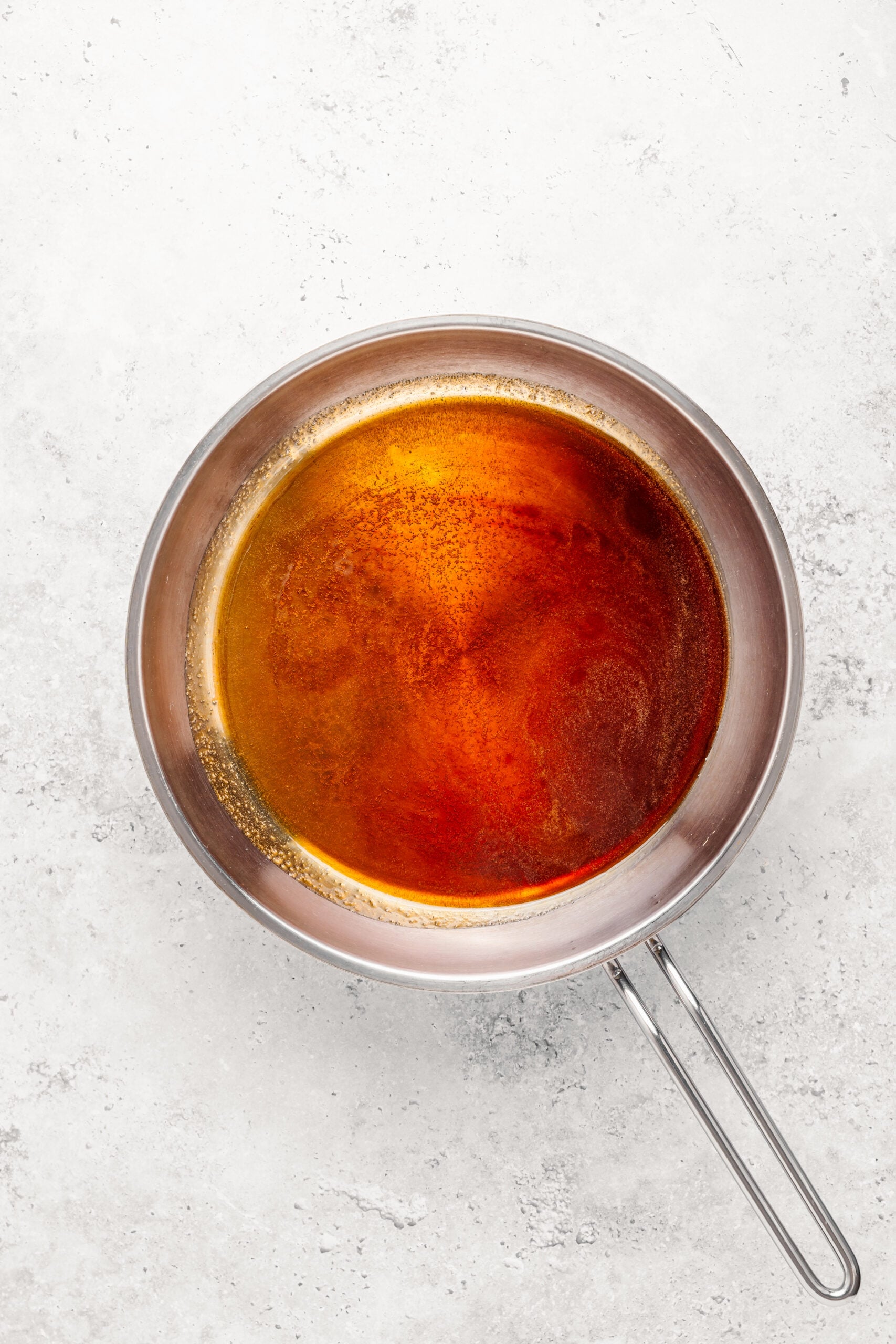
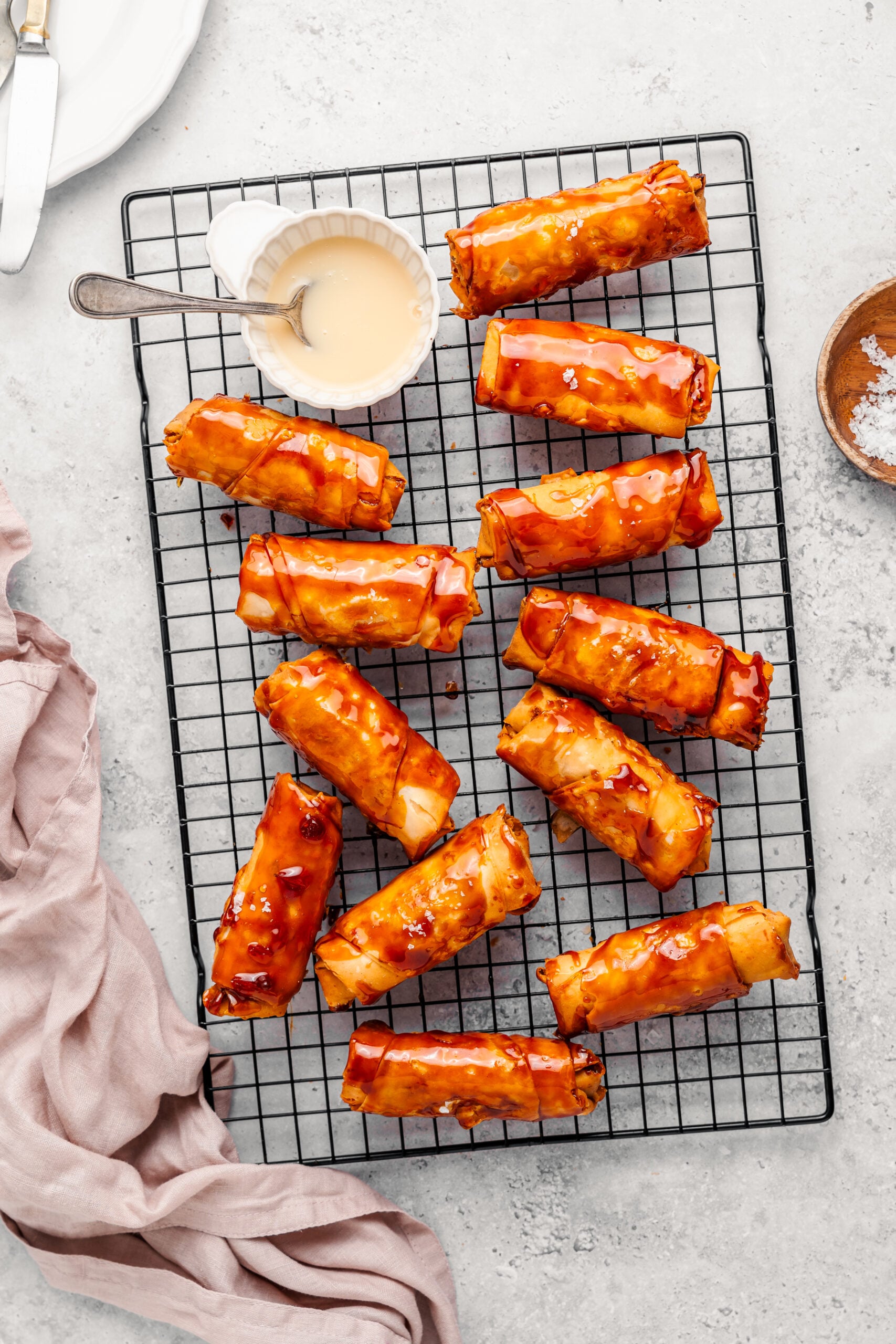
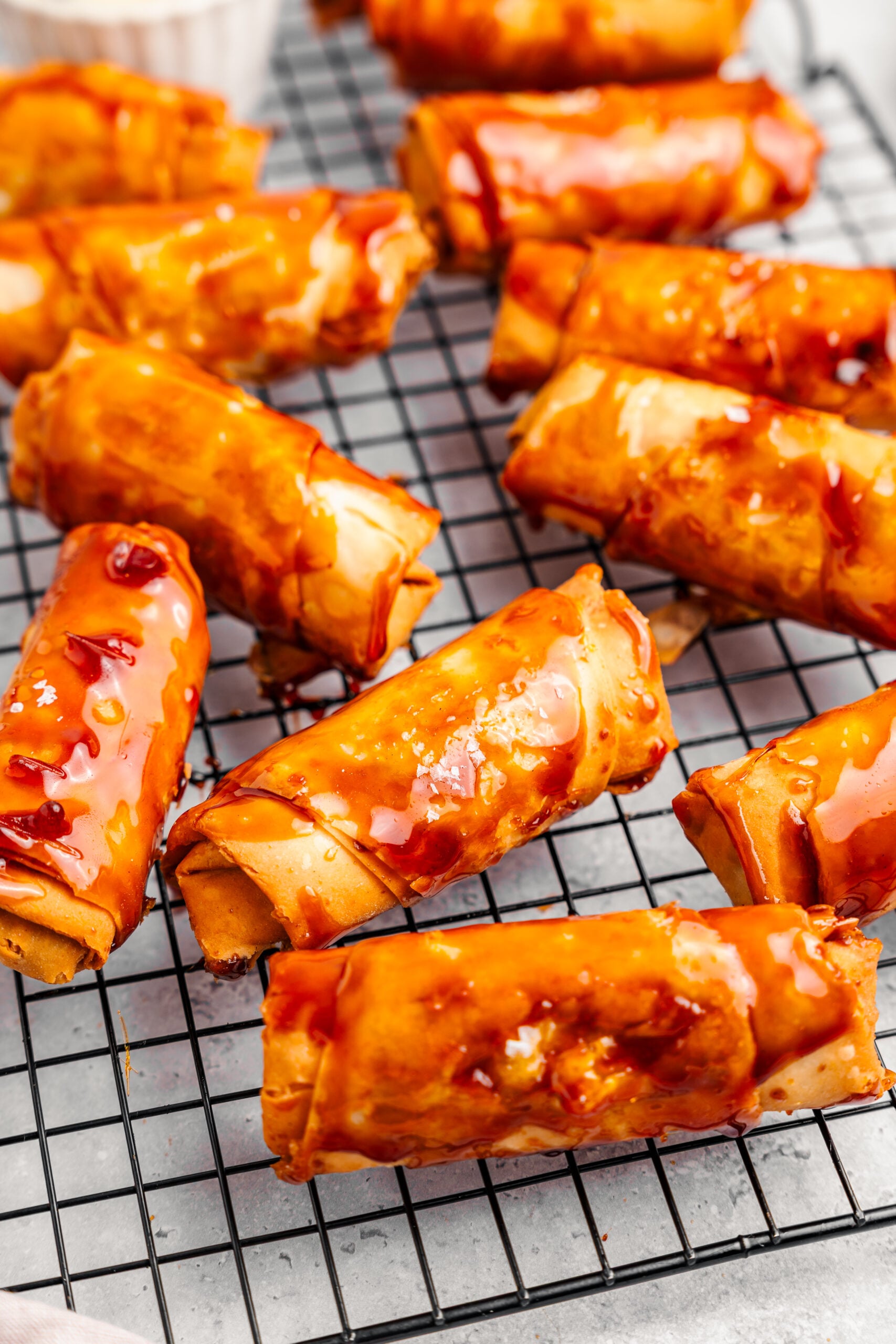
- Working quickly and two rolls at a time, turn the fried turon in the caramel with tongs so they pick up a thin lacquer, then return them to the wire rack. The caramel sets hard in under a minute, so move fast and keep the pan on the lowest heat.
- Rest for 10 minutes before serving, because the filling holds serious heat straight out of the pan. Serve warm with a drizzle of condensed milk and a pinch of flaky salt.
Troubleshooting
| What went wrong | Why it happened | How to fix it |
|---|---|---|
| The rolls burst in the oil | The seam was not glued, or the roll was overfilled | One banana piece per wrapper, and always seal with the flour paste |
| Greasy, heavy wrappers | The oil was too cool or the pan was crowded | Fry 3 or 4 at a time and let the oil come back to 175 C between batches |
| Dark bitter caramel | Sugar goes from amber to burnt in seconds | Pull the pan off the heat the moment it is the colour of honey. Residual heat carries it further |
| Soggy after 20 minutes | They were drained on paper towel, or stacked while hot | Wire rack, single layer, no touching |
| The caramel seized into lumps | The pan was stirred rather than swirled, or it was not fully dry | Use a clean dry pan and swirl only. Do not put a spoon in it |
| The banana is still firm inside | The fruit was underripe | Skins should be heavily spotted or nearly black. Underripe saba stays starchy no matter how long you fry it |
Tips for the Best Crispy Turon
Caramel After, Never During
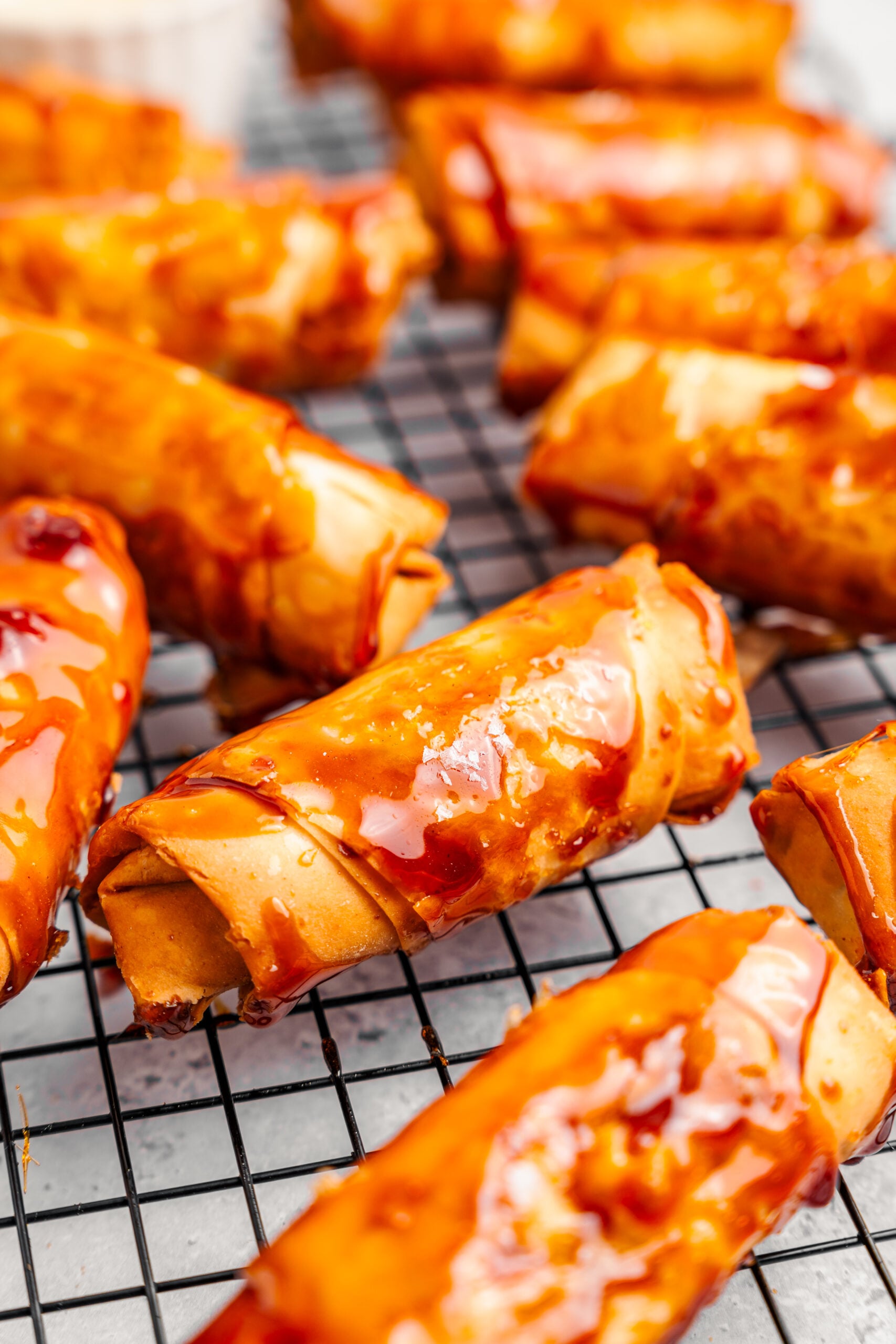
This is the whole recipe in one line. Frying the rolls in a sugary oil slurry, which is what most versions do, browns them unevenly and leaves a tacky coating that softens fast. Frying clean and then turning them through a separate pan of proper caramel gives you a thin shell that actually snaps. It is one extra pan and it changes everything.
Keep the Wrappers Covered
Spring roll wrappers dry out astonishingly fast once separated from the stack. Within about three minutes the edges curl and crack, and a cracked wrapper will split in the oil. Peel off what you need, keep the rest under a damp tea towel, and cover the rolled parcels too while you finish the batch.
Wire Rack, Always
Paper towel traps steam directly against the underside of the roll, which is exactly how a crisp wrapper turns soft while you are still frying the next batch. A wire rack lets air move underneath so the bottoms stay as crisp as the tops. Do not stack them either, even after they have cooled.
Let Them Rest Ten Minutes
Molten sugar and hot banana hold a genuinely dangerous amount of heat, and biting into one straight off the rack will burn the roof of your mouth. Ten minutes is enough for the filling to drop to something edible while the wrapper is still crisp. It also gives the caramel time to set into a proper shell.
Fry them clean, lacquer them after. Everything people dislike about homemade turon comes from doing those two jobs in the same pan.
Variations
Turon with Langka
The most traditional variation, and worth doing at least once. Lay two or three thin strips of drained ripe jackfruit alongside the banana before you roll. It adds a floral, almost tropical perfume that lifts the whole thing, and it is what you will most often be handed in the Philippines.
Ube Turon
Spread a thin layer of ube halaya on the wrapper before the banana goes on. The purple against the yellow banana in the cut face is striking and the mellow nuttiness of the ube works well with the caramel. Keep the layer thin or the roll gets heavy and the wrapper struggles to crisp.
Turon with Cheese
A thin baton of mild cheddar tucked in with the banana, which sounds wrong to most people outside the Philippines and is a well established combination there. The salt and the melt against sweet banana is the same logic as ube cheese pandesal. Try one before you dismiss it.
Air Fryer Turon
Brush the rolls with oil and cook at 190 C (375 F) for 10 to 12 minutes, turning once halfway. They come out crisp but distinctly paler than fried ones, so the caramel step stops being optional and becomes the thing carrying the colour and the crunch.
Serving Suggestions
Hot, In a Paper Cone
The street version, and still the best one. Two or three rolls standing upright in a cone of paper, eaten with your hands while they are almost too hot. No plate, no cutlery, no drizzle. If you have made a good batch this is the way to prove it.
With Ice Cream
Split a hot roll lengthways and serve it with a scoop of no churn coconut ice cream melting into the caramel. The temperature contrast is the point, and the coconut echoes the Filipino flavours rather than fighting them. Add flaky salt over the top.
Condensed Milk and Flaky Salt
My default at home. A generous drizzle of sweetened condensed milk over the rolls and a pinch of flaky salt across the caramel. The dairy softens the sharpness of the burnt sugar and the salt keeps the whole plate from being relentlessly sweet.
As Part of a Filipino Dessert Table
Turon is best fresh, so at a party I fry it last and put it out beside things that were made ahead. My biko and mango float both hold well for hours, which lets the turon be the thing that arrives hot and gets eaten immediately.
How to Store Turon
Honestly, turon is a same day food and I would not plan around leftovers. Fried and lacquered rolls keep at room temperature on a wire rack for about 4 hours before the wrapper starts to give in to the moisture from the banana. Do not refrigerate them, the wrapper goes leathery and the caramel weeps.
What does store brilliantly is the unfried roll. Assemble the parcels, lay them on a lined tray without touching, freeze until solid, then bag them for up to 2 months. Fry straight from frozen, adding 1 to 2 minutes and dropping the oil to 165 C (330 F) so the centres heat through before the wrapper over browns. If you have leftovers already fried, refresh them in a 180 C oven for 5 minutes rather than a microwave, which turns them to fabric.
Common Mistakes to Avoid
Frying the Sugar With the Rolls
The most common turon mistake and the reason so many homemade batches disappoint. Sugar thrown into the frying oil burns before the wrapper is cooked, coats unevenly, and stays tacky rather than setting. Keep the two jobs in two pans and the difference is immediate.
Overfilling the Wrapper
One banana piece per wrapper. It is tempting to load them up, and a fat roll splits its seam in the oil and empties molten sugar into the pan, which is both a waste and a hazard. If your bananas are large, cut them into three lengthways rather than two.
Using Egg Roll Wrappers
They look almost identical in the freezer aisle and they behave completely differently. Egg roll wrappers are thicker and contain egg, so they puff and go bready instead of shattering. Read the packet and buy the thin spring roll kind.
Crowding the Pan
Every roll you add drops the oil temperature, and below about 160 C the wrapper stops sealing on contact and starts absorbing oil instead. Three or four at a time, and wait for the oil to recover between batches. It feels slow and it takes less total time than re frying a greasy batch.
Serving Them Straight Away
The filling comes out of the pan hot enough to blister a mouth, and the caramel needs a minute to set into a shell rather than a sticky glaze. Ten minutes on the rack fixes both problems and costs you nothing, since the wrapper stays crisp for far longer than that.
Frequently Asked Questions
What bananas should I use for turon?
Saba is the authentic choice and the best performer, because it holds its shape in hot oil instead of dissolving into mush. Plantains are the easiest substitute outside Asian grocers and behave almost identically. Ordinary Cavendish bananas will work if that is all you have, but cut them thicker and fry them a minute less because they collapse quickly.
Why is my turon soggy?
Almost always one of two things. Either you drained the rolls on paper towel, which traps steam against the underside and softens the wrapper within minutes, or you stacked them while they were still hot. Use a wire rack, keep them in a single layer, and do not let them touch each other.
Can I make turon in an air fryer?
Yes. Brush the rolls with oil and cook at 190 C (375 F) for 10 to 12 minutes, turning once halfway through. They come out crisp but noticeably paler than deep fried ones, which means the caramel step stops being optional and becomes the thing providing both colour and crunch.
What is the difference between turon and banana cue?
Both are Filipino fried banana snacks sold from the same carts, but turon wraps the banana in a spring roll wrapper before frying, while banana cue is whole saba fried directly in oil with brown sugar and served on a bamboo skewer. Turon gives you the crisp wrapper contrast, banana cue is all caramel and fruit.
Do I have to use jackfruit?
No. Plain turon with just banana is every bit as traditional and is what you will be handed at plenty of street carts. Jackfruit adds a floral, almost tropical perfume that is lovely if you like it, and canned in syrup works fine as long as you drain and pat it dry so the wrapper does not steam.
Can I freeze turon before frying?
Yes, and this is the best way to get ahead. Assemble the rolls, lay them on a lined tray without touching, freeze until solid, then transfer to a bag for up to 2 months. Fry them straight from frozen, adding 1 to 2 minutes and dropping the oil to 165 C (330 F) so the centres heat through before the wrapper over browns.
Let’s Get Cooking
If you liked this recipe make sure to leave me a comment and rating down below. I’d love to know how it went! Also, don’t forget to tag me on Instagram @catherine.desserts.
Follow me on Facebook, Pinterest, YouTube, and TikTok for more of my baking creations and updates!
Crispy Turon (Filipino Banana Lumpia with Caramel)
Crispy turon, the Filipino banana lumpia: ripe saba rolled in brown sugar and cinnamon, wrapped in a spring roll wrapper, fried until blistered and then lacquered in proper caramel for a shell that actually snaps.
- Prep Time: 20 minutes
- Rest: 10 minutes
- Cook Time: 15 minutes
- Total Time: 45 minutes
- Yield: 10 rolls 1x
- Category: Dessert
- Method: Frying
- Cuisine: Filipino
Ingredients
Filling
- 5 ripe saba bananas, or 3 large very ripe plantains
- 1/2 cup (100 g) dark brown sugar, packed
- 1/2 teaspoon ground cinnamon
- 1 pinch fine salt
- 1/2 cup ripe jackfruit (langka), drained and cut into thin strips, optional
Wrappers and Seal
- 10 spring roll wrappers, 20 cm (8 inch) square, thawed
- 1 tablespoon plain flour
- 1 tablespoon water
Frying and Caramel Shell
- 3 cups (720 ml) neutral oil, such as canola or sunflower
- 1/2 cup (100 g) white sugar
To Serve, Optional
- Vanilla ice cream
- Sweetened condensed milk, for drizzling
- Flaky salt
Instructions
- Peel the bananas and cut each one in half lengthways. If using plantains, cut them lengthways into strips roughly 1.5 cm thick and 12 cm long.
- Stir the brown sugar, cinnamon and salt together in a shallow bowl. Press each banana piece into the mixture so it is coated on all sides. Set the coated pieces on a plate.
- Whisk the flour and water together in a small bowl to make a smooth paste. This is the glue that stops the rolls bursting in the oil.
- Lay a wrapper on the bench as a diamond, one corner pointing at you. Place a coated banana piece horizontally across the lower third, add a few strips of jackfruit alongside if using, and sprinkle over any sugar left on the plate.
- Fold the bottom corner up and over the filling, tuck it under, then fold in the left and right corners. Roll up tightly, brush the final corner with flour paste and press to seal. Repeat with the remaining wrappers.
- Pour the oil into a deep pan to a depth of about 4 cm and heat to 175 C (350 F). If you do not have a thermometer, a scrap of wrapper should sizzle steadily and turn golden in about 30 seconds.
- Fry the rolls in batches of 3 or 4, seam side down first, for 3 to 4 minutes, turning once, until deep golden and blistered. Do not crowd the pan. Lift onto a wire rack, never onto paper towel.
- For the caramel shell, tip the white sugar into a clean dry frying pan over medium heat. Leave it undisturbed until it starts to melt at the edges, then swirl the pan, do not stir, until it becomes a smooth amber caramel, about 4 to 5 minutes.
- Working quickly and two rolls at a time, turn the fried turon in the caramel with tongs so they pick up a thin lacquer, then return them to the wire rack. The caramel sets hard in under a minute.
- Rest for 10 minutes before serving. The filling holds serious heat straight out of the pan. Serve warm with vanilla ice cream, a drizzle of condensed milk and a pinch of flaky salt.
Notes
- Bananas: saba is the authentic choice and holds its shape without turning to mush. Plantains are the easiest substitute. Cavendish bananas work in a pinch but collapse, so slice them thicker and fry a minute less.
- Jackfruit: canned in syrup is fine, drain it well and pat dry, or leave it out entirely. Plain turon is just as traditional.
- Wrappers: use spring roll wrappers, not egg roll wrappers, which are thicker and go bready. Keep the stack under a damp tea towel while you work.
- Air fryer version: brush the rolls with oil and cook at 190 C (375 F) for 10 to 12 minutes, turning once. They will be crisp but paler, so the caramel step matters more.
- Make ahead: assemble the rolls, lay them on a lined tray without touching, freeze solid, then bag for up to 2 months. Fry from frozen, adding 1 to 2 minutes and dropping the oil to 165 C (330 F).
- The caramel goes on after frying, not during. Frying the rolls in a sugar slurry browns them unevenly and leaves a tacky coating that softens fast.
Nutrition
- Serving Size: 1 roll