Mochi is one of those sweets that feels like a little magic trick. It looks simple. Then you bite in and it goes soft, stretchy, bouncy, almost like a sweet pillow that fights back in the gentlest way.
But traditional mochi can be surprisingly sweet, especially the modern versions filled with sugary pastes, creams, or ice cream. That’s where today’s question comes in: what is sugar free mochi, and when does it actually make sense to make a lower-sugar version?
Sugar-free mochi isn’t about removing joy. It’s about keeping the chew, keeping the comfort, and adjusting sweetness so it works for your tastes, your fillings, or your day-to-day eating.
At a Glance: Sugar-Free Mochi Explained
| Feature | Quick Notes |
|---|---|
| Origin | Japan (mochi culture spans centuries, from celebrations to everyday snacks) |
| Key Ingredients | Glutinous rice flour (mochiko), water or milk, sweetener, starch for dusting |
| Texture & Mouthfeel | Chewy, elastic, bouncy, slightly sticky with a smooth bite |
| Typical Sweetness | Mild to moderate; often lower than classic filled mochi |
| Method Highlights | Cook dough until glossy; knead while warm; portion and fill |
| Best Occasion | Light dessert, snack box, tea time, or pairing with sweet fillings |
If you want a tested base with the right chew, start with my sugar-free mochi recipe and then play with fillings from there.
What Is Sugar-Free Mochi?
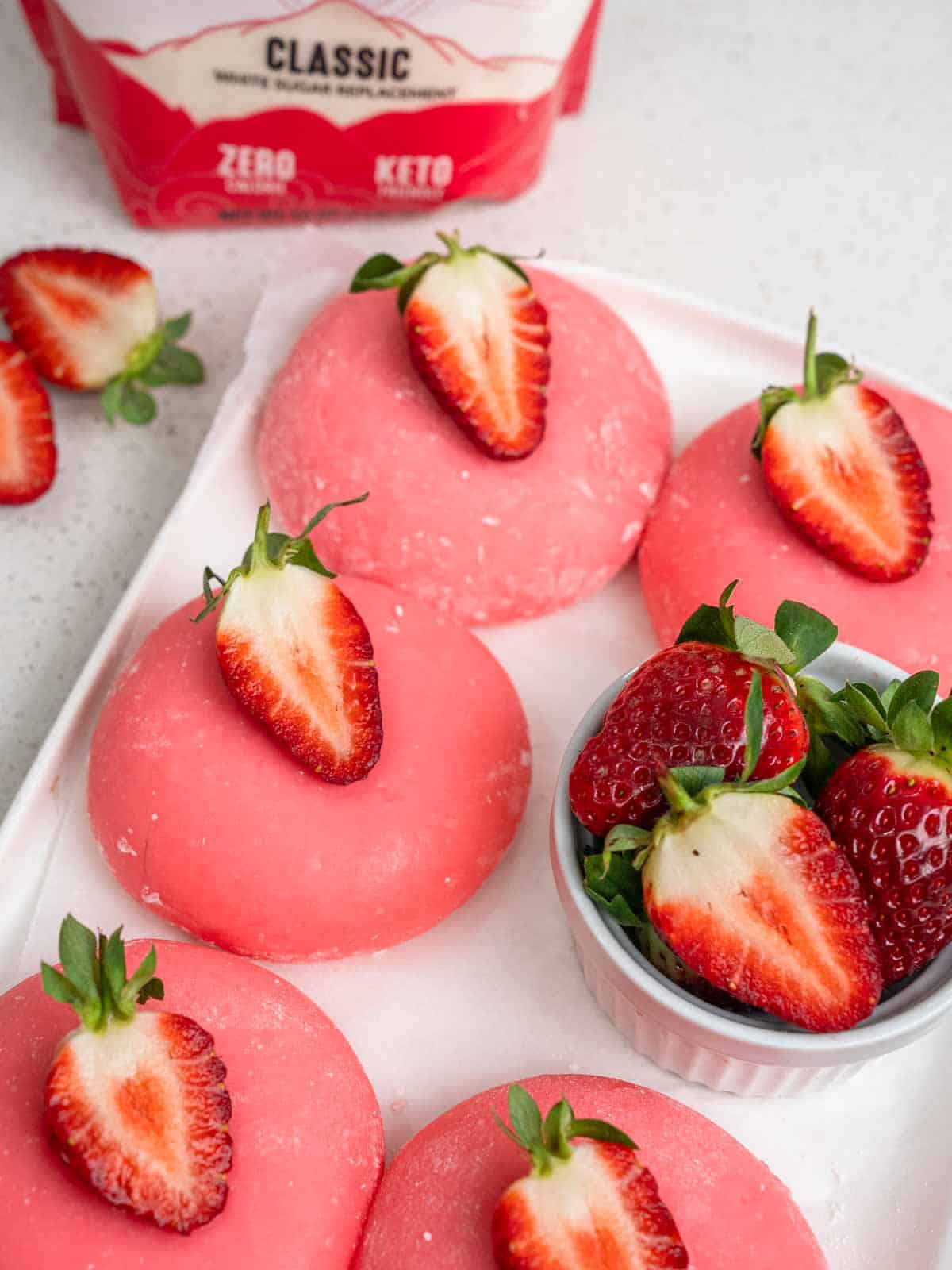
Let’s answer it plainly: what is sugar free mochi? It’s mochi made with no added sugar or with significantly reduced sugar, usually by swapping standard white sugar for a low- or no-calorie sweetener, or by letting the filling provide most of the sweetness.
Mochi itself is built on glutinous rice (or glutinous rice flour). That “glutinous” word is misleading, it doesn’t mean gluten. It means sticky. When cooked, glutinous rice starch becomes elastic and cohesive, giving mochi that signature pull and bounce.
In a classic mochi dough, sugar does a few things:
- Adds sweetness, obviously
- Softens the bite and keeps the dough tender
- Helps mochi stay pleasant for longer (it slows staling a bit)
So when you go sugar-free, you’re not just changing taste. You’re slightly changing behavior. The goal is to keep the dough smooth, pliable, and gently sweet, not rubbery or bland.
Culturally, mochi is tied to celebration and comfort. In Japan, it’s everywhere, from New Year’s traditions to everyday wagashi sweets. Sugar-free mochi is a modern adaptation, but it still respects the heart of it: chew, warmth, and that calm “tea snack” feeling.
Why This Food Matters (Texture / Trend / Method)
There’s a reason mochi keeps trending. It’s not just cute or Instagram-friendly. It’s a texture dessert, one that’s more about mouthfeel than big sugar fireworks.
Sugar-free mochi matters for a few very real reasons:
- You want the chew without the sugar spike. Some days you just want something small and gentle.
- Your filling is already sweet. If you’re wrapping mochi around fruit, sweetened whipped cream, or a rich paste, a less-sweet wrapper tastes more balanced.
- You want mochi that reads “snack,” not “candy.” That’s why I love it with roasted tea, black coffee, or even a salty nut topping.
- You’re comparing it to Korean rice cake styles. If you’ve tried injeolmi, you know the joy of a not-too-sweet rice cake dusted in something nutty. If you’re curious, my injeolmi recipe is a lovely reference point.
Also, let’s be honest: some sugar-free desserts taste like punishment. Mochi is one of the few that can still feel complete with less sugar because the pleasure comes from stretch, bounce, and aroma, not just sweetness.
How To Make It: Basics of Method & Technique
Here’s the gentle backbone of sugar-free mochi. I’ll keep it practical, because mochi is the kind of thing you can absolutely learn in one afternoon, then suddenly you’re making it at midnight “just because.”
The core ingredients
- Glutinous rice flour (mochiko): the non-negotiable base
- Liquid: water, milk, or a mix (milk gives a softer bite)
- Sweetener: your choice (more on that below)
- Pinch of salt: makes everything taste more like itself
- Potato starch or cornstarch: for dusting, so it doesn’t glue itself to you
Best sweetener choices (for texture)
When you’re choosing a sweetener, think beyond sweetness. Some sweeteners are “dry,” some are “bulky,” some leave an aftertaste, and some make dough feel strange.
In general:
- Allulose tends to behave closer to sugar and keeps things soft.
- Erythritol can feel cooling and may crystallize slightly as mochi cools.
- Monk fruit blends vary wildly depending on what they’re blended with.
- Stevia is powerful; you’ll usually want it paired with something bulkier.
If you’re new to this, keep it simple and follow a proven ratio first, then adjust.
Equipment you’ll want
- Microwave-safe bowl or small saucepan/steamer
- Silicone spatula (mochi is sticky work)
- Plastic wrap or parchment
- Scale (optional, but gives consistent chew)
The basic method (works for most sugar-free mochi styles)
- Mix glutinous rice flour, sweetener, salt, and liquid until smooth.
- Cook until thick, glossy, and slightly translucent. (Microwave in bursts or cook gently on the stove.)
- Knead while warm using a spatula, then lightly with dusted hands. This builds that elastic chew.
- Rest briefly, covered, so it stays pliable.
- Portion and shape, dusting with starch as needed.
- Fill (optional) and pinch closed, keeping seams tidy.
Variations that suit lower-sugar mochi
- Matcha dough: adds bitterness and aroma, which makes low sweetness feel intentional
- Black sesame filling: naturally rich, tastes dessert-like without needing heaps of sugar
- Fruit-wrapped mochi: strawberries, mango, mandarin segments, fresh sweetness does the heavy lifting
If you want a mochi style that’s already fruit-forward, take a peek at my watermelon mochi for inspiration on the flavor direction.
And if you’re after the classic soft-and-simple base, my easy mochi guide is a great texture reference (even if you adjust sweetness).
Popular Mochi Desserts
Once you understand what is sugar free mochi, the fun part is choosing what kind of mochi person you are. Fruity and light? Deep and chocolatey? Chewy-baked hybrids? Here are a few mochi desserts from my kitchen that help you explore the whole spectrum.
Sugar-Free Mochi (the everyday, lower-sugar base)
If you want a reliable starting point, go straight to the dedicated sugar-free mochi recipe.
This is the one I reach for when I want a snack that feels calm. The sweetness is restrained, the chew is front and center, and it pairs beautifully with tea. It’s also a great wrapper when your filling is already sweet, think fruit, sweetened yogurt, or a spoon of lightly sweet red bean.
Mango Mochi (fresh sweetness, bright finish)

Mango mochi is the easiest “gateway” dessert for people who think they don’t like mochi. The fruit does the flirting. The wrapper brings the bounce. If you want that juicy tropical sweetness without making the dough very sweet, mango is perfect. I love serving it chilled so the mango tastes extra vivid and the mochi feels extra springy.
Mochi Brownies (chewy edges, fudgy center)
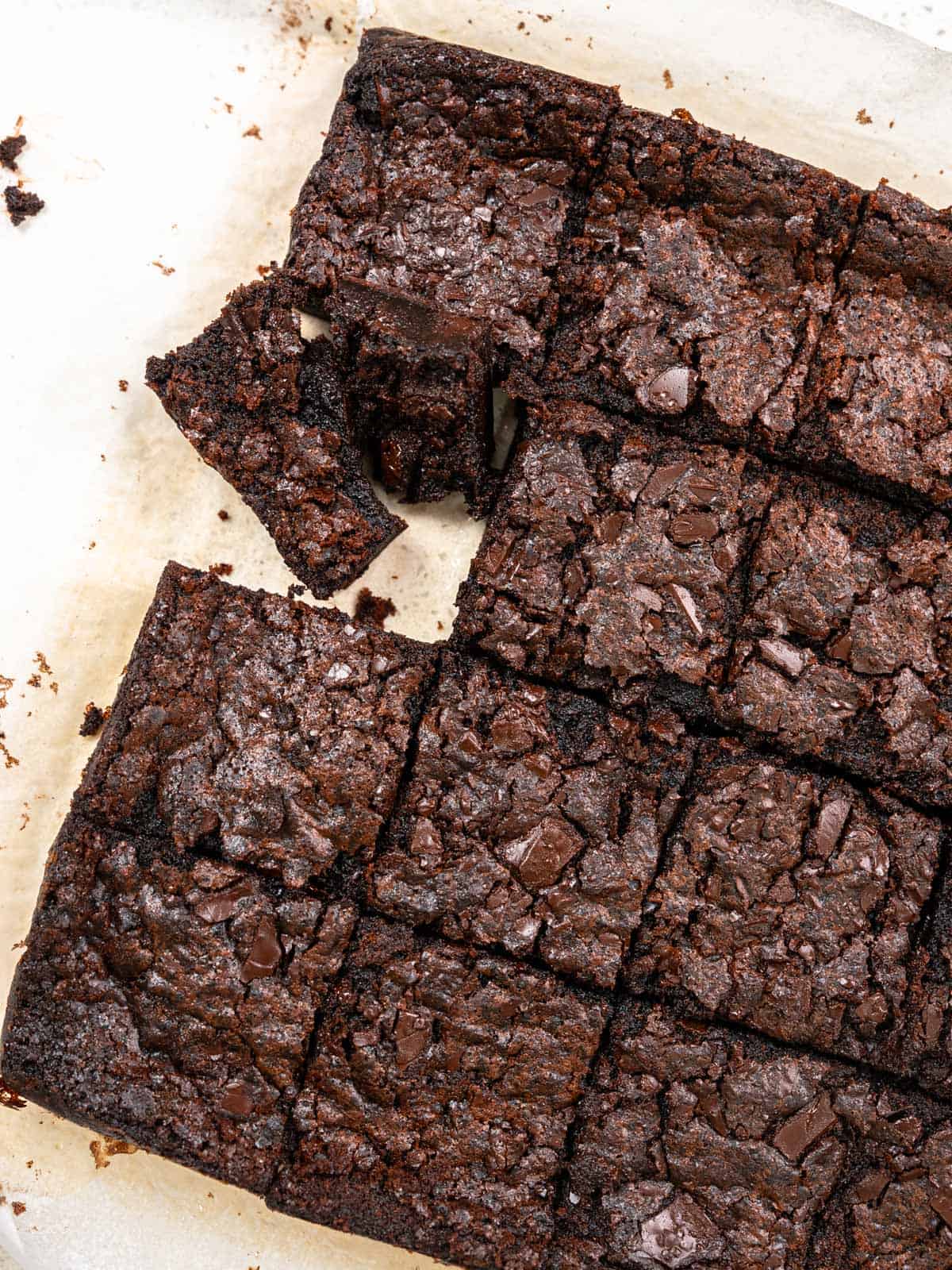
Mochi brownies are what happens when you invite a very chewy rice cake to a brownie party. The result is dense, stretchy, and insanely satisfying, especially if you’re a “texture eater.” If you’re exploring lower sugar, you can reduce sweetness in the batter and let cocoa do more of the heavy lifting. This one is for the people who want chew plus chocolate in one bite.
Final Thoughts: A Softer Sweetness, Same Cozy Chew
So, what is sugar free mochi? It’s mochi that lets texture lead and sweetness follow. It’s the same satisfying pull, the same gentle bounce, just tuned for a lighter, calmer finish.
When you make it at home, you also get something quietly powerful: control. You choose the sweetness level. You choose the filling. You choose whether today’s mochi is fruity and bright or warm and toasty.
Love mochi? Find every type in one place in our complete guide to mochi recipes.