If you’ve ever seen a dessert that looks like it’s been dipped in a sunset and a galaxy at the same time, it was probably ube. That vivid purple swirl in cakes, ice cream, and soft breads comes from a humble root vegetable. And no, it’s not taro, and it’s not just “purple sweet potato” either.
As a pastry chef, I get asked what is ube dessert all the time. Is it a flavour, a colour, a trend, or a specific dish like ube ice cream? The answer is a little bit of everything, wrapped up in Filipino nostalgia, creamy textures, and that addictive nutty, vanilla aroma.
Think of ube as a bridge between comfort food and fantasy. It’s earthy but gentle, sweet but not sugary, and it turns any dessert into something that looks like it came out of a dream bakery. Once you understand what ube is and how it behaves in batters, custards, and doughs, it becomes one of the most versatile ingredients in your dessert toolbox.
At a Glance: Ube Explained
| Feature | Description |
|---|---|
| Origin | Native to the Philippines, grown across Southeast Asia. |
| Key Ingredients | Fresh ube, ube halaya, ube extract, coconut milk, sugar. |
| Texture & Mouthfeel | Creamy, dense, earthy, slightly nutty with a gentle sweetness. |
| Typical Sweetness | Mild on its own, often sweetened in desserts. |
| Method Highlights | Boiled, mashed, turned into halaya, or folded into doughs and batters. |
| Best Occasion | Everyday treats, celebrations, summer sweets, and vibrant party desserts. |
For a playful introduction to ube, try pairing the flavour with a mochi-like chew. My ube mochi recipe is an easy, cosy way to start experimenting.
What Is Ube?

Ube is a purple yam native to the Philippines, treasured for its naturally bold colour and gentle, earthy sweetness. It’s not taro, and it’s not the vivid purple Okinawan sweet potato, though the confusion is common. Ube has a softer aroma, a creamier flesh, and a flavour that leans toward vanilla custard with a hint of nuttiness.
In Filipino cuisine, ube shows up everywhere. You’ll find it in ube halaya, a rich jam made by slowly cooking grated ube with coconut milk and sugar until it becomes glossy and spoonable. This halaya is the backbone of many what is ube dessert creations, adding both colour and depth. Once transformed into halaya, ube becomes easy to fold into cookies, cakes, doughs, and ice cream bases.
Meanwhile, modern bakers love ube for its versatility. Its colour stays vibrant even after baking, and its earthy, sweet flavour enhances creamy desserts without overwhelming them. That’s why it appears in everything from soft breads to cheesecakes, and even playful creations like ube macarons.
Why This Food Matters (Texture / Trend / Method)
Ube matters because it brings together culture, colour, and comfort in a way few ingredients can. Its texture is naturally creamy once cooked, which gives desserts a velvety richness without needing heavy cream or butter. That gentle earthiness balances sweetness, making it perfect for cakes and custards that usually risk becoming too sugary.
At the same time, ube has become a global trend. Bakers love ingredients that offer both flavour and visual drama, and ube delivers both in one scoop. Its natural purple hue turns a simple loaf or cookie into something striking, and that’s a powerful draw in the age of photo-driven food culture.
Here’s the secret: despite its vibrant colour, ube’s flavour behaves like vanilla’s playful cousin. It pairs beautifully with coconut, white chocolate, cream cheese, and mochi textures. That versatility is why you’ll see it in nostalgic Filipino desserts and also in fusion treats like ube doughnuts, basque cheesecakes, and even hybrid pastries similar to my cruffins.
How To Make It: Basics of Method & Technique
Working with ube begins with choosing the right form. Fresh ube can be peeled, boiled, and mashed, but it’s rare outside Southeast Asia. That’s why many bakers rely on frozen grated ube, ube halaya, or ube extract. These versions keep the colour vibrant and the flavour consistent, making them ideal for home baking.
To make a simple ube base at home, start by cooking the grated yam with coconut milk and sugar until thick and glossy. This creates a halaya-style paste that blends easily into batters. Meanwhile, adding a touch of ube extract boosts both flavour and colour, especially in recipes like cakes or cream fillings where dilution happens naturally.
Here’s the fun part. Ube works beautifully in layered desserts, mochi-based sweets, doughs, and creamy fillings. You can fold halaya into brownies for a fudgy swirl, whip it into cheesecake batter for a silky purple crumb, or knead it into soft buns for a gentle earthiness. If you love chewy textures, try pairing ube with recipes like my butter mochi cupcakes for a soft and bouncy finish.
Popular Ube Desserts
Ube Basque Cheesecake
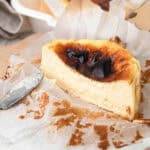
The ube basque cheesecake takes the beloved burnt-top classic and infuses it with the creamy, vanilla-nutty depth of ube. The result is a dessert that blends silky richness with a cloud-light texture, all wrapped in a naturally purple hue. Its caramelised top brings a gentle bitterness that balances the sweetness beautifully.
Meanwhile, the ube flavour softens the intensity of the cheese, giving the whole cake a mellow, dreamy finish. It’s the kind of dessert that feels indulgent without being heavy. If you’re new to baking with ube, this cheesecake is a forgiving, rewarding place to start.
Ube Mochi
My ube mochi recipe is a celebration of chewiness. It combines glutinous rice flour with ube halaya to create a dessert that’s soft, bouncy, and comfortingly tender. The ube adds colour and depth, while the mochi base enhances that creamy, earthy sweetness with every bite.
Because the batter comes together in minutes, this treat suits busy bakers, beginners, or anyone craving something sweet and satisfying without fuss. It’s also versatile, you can keep it plain and simple or dress it up with coconut, cream, or an oozy filling.
Ube Macarons
Delicate, colourful, and irresistibly chewy, ube macarons turn a classic French cookie into a Filipino-inspired treat. The crisp shells sandwich a creamy ube buttercream that tastes like a silky cross between vanilla custard and toasted coconut. Each bite gives you a little crunch followed by that unmistakable mochi-like chew.
These macarons are ideal for gifting, celebrations, or simply treating yourself to something pretty. The flavour is gentle yet distinct, making them a great introduction for anyone curious about what is ube dessert but looking for something elegant.
Final Thoughts: A Sweet Purple Finish
Ube is one of those ingredients that transforms simple desserts into something dreamy. Its creamy texture and mellow sweetness create a cosy, almost nostalgic warmth, even if you didn’t grow up eating it. Meanwhile, its vivid colour adds a touch of magic to every swirl, crumb, and scoop.
If you’re just discovering what is ube dessert, you’re stepping into a world where comfort meets creativity. This humble yam adapts beautifully to mochi-like chew, cloud-soft cakes, silky cheesecakes, and icy summer treats. It’s the sort of flavour that invites play, exploration, and a little bit of wonder in the kitchen.
When you’re ready to bake with ube, try something creamy and colourful like ube basque cheesecake or explore a simple chewy treat like ube butter mochi. Let the colour guide you, let the flavour comfort you, and let your kitchen glow a little more purple.
Want more? Browse every ube recipe in one place.